
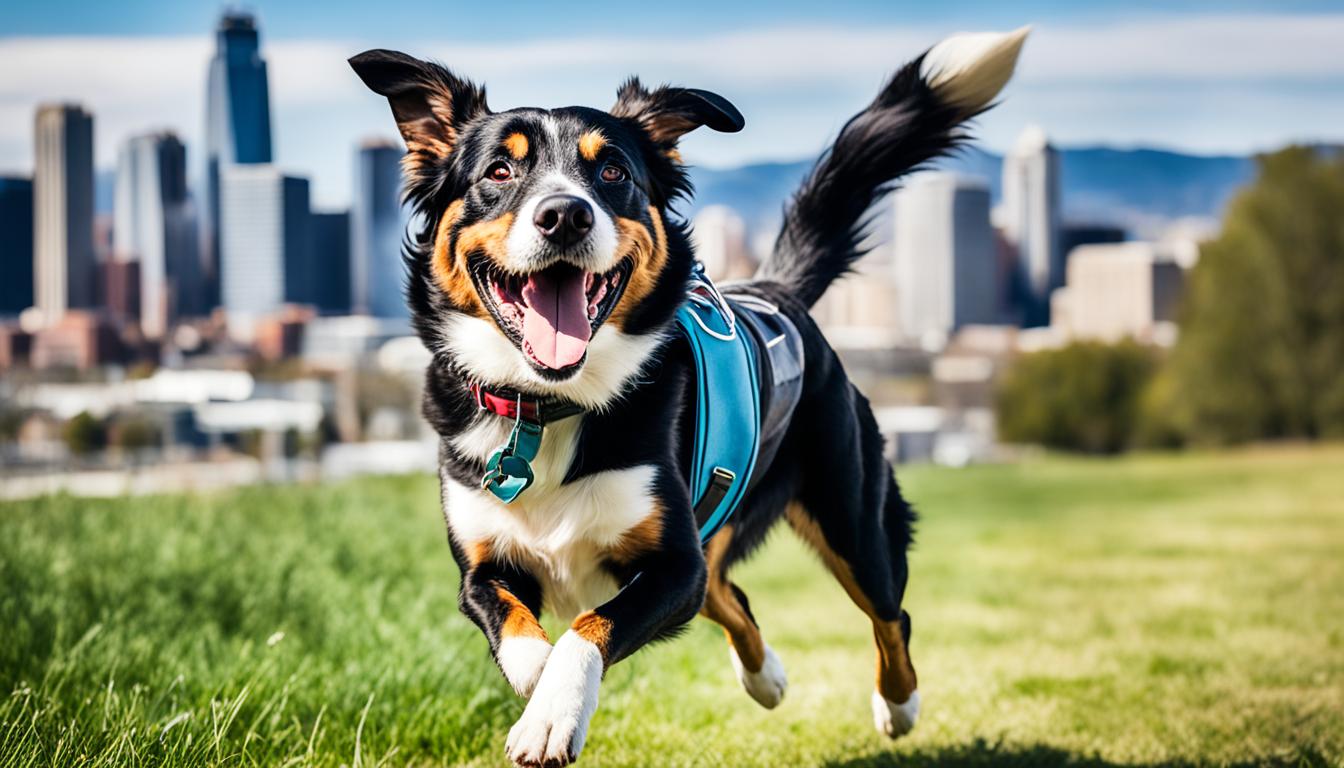
Have you ever wondered why some rescue dogs fit into their new homes easily while others have a hard time?
Adopting a rescue dog is both challenging and rewarding. The ASPCA says millions of dog end up in shelters each year. They all come with their own stories and a chance for a new beginning. To help them adjust and to build a strong bond, it’s key to know their unique needs from the start.
Being patient and understanding, along with specific training, can really help. Many success stories show that a loving home is the best start. This truth comes from talking to those who have rescued dogs and hearing what worked for them. It all starts with that first love-filled step.
Quick Recommendation: Our blog is filled with tips and tricks for training your puppy or dog. If you are seeking a comprehensive training program, we recommend K9 Training Institute.
Understanding the Unique Needs of Rescue Dogs
Rescue dogs have often faced tough times, such as neglect or trauma. As a new owner, understanding their past can help you a lot. It’s key to know how past experiences affect their behavior and learning. Trauma-informed pet care is important for their well-being.
Every rescue dog is different. Knowing their history helps you meet their needs better. Working with a veterinary behaviorist can give you insights. This can guide you in making a plan to care for your dog effectively.
Studies on dog psychology show the power of kind, understanding training methods. These methods can really help a rescue dog adjust and be happy in a new home. Being patient and kind, you can help your dog learn to trust. Changing your training to be more caring makes your dog feel secure.
Rescue groups often advise gathering as much info as you can about your dog. This info helps you deal with any behavior problems and bond stronger. With love and care, rescue dogs can do very well in their new homes. They prove that everyone, including dogs, deserves a fresh start.
First Steps After Adopting a Rescue Dog
The first days with your new rescue dog are key. Start by making a safe spot for them. This area should be quiet and have what they need, like a bed and toys.
Introducing them to your family should happen slowly. Let them get used to things on their terms. Patience is very important. Training your dog from the start is crucial. Focus on teaching them simple commands with positive methods. This makes learning fun for both of you.
Don’t forget to visit the vet. They can make sure your dog is healthy. They can also give you advice on care and vaccines.
Creating a bond is also important. Taking walks and spending time together helps build trust. This journey is all about being patient and kind.
Building Trust with Your Rescue Dog
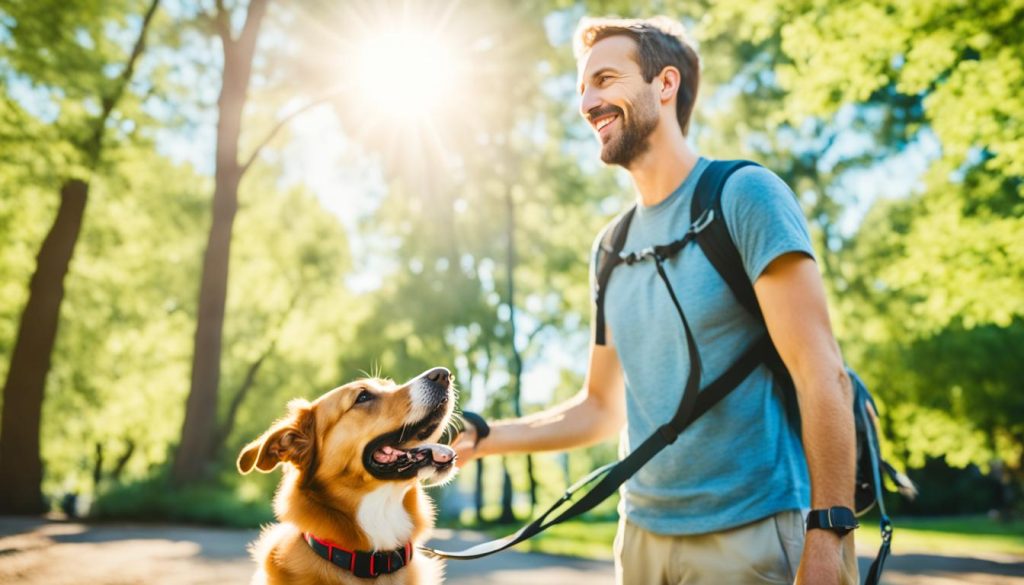
Building trust with your rescue dog is vital. It’s key to creating a loving and secure space. Using trust-building exercises, you can help your dog feel safe and familiar. Keep interactions consistent to show your new friend that your home is a safe place.
Learning to read your dog’s body language is crucial. Pay attention to their tail, ears, and eyes. This helps you understand how they’re feeling. Remember, patience is important. Some dogs, especially those with past traumas, need extra time to feel safe and form bonds.
Creating a Consistent Routine
It’s key to set up a daily routine for dogs, especially rescues. This routine makes them feel secure and happy. A regular feeding and exercise schedule helps your dog know what to expect. It makes their world more stable.
Many experts in animal care say a routine is vital. It’s good to feed your dog at the same times every day. It keeps their tummy happy and makes them less worried. Also, walking and playing with your dog at set times is great. It helps them behave well and stay healthy.

Dog experts agree – a well-planned day helps dogs behave. They say to pick certain times for training. This makes your dog follow rules better and be less of a troublemaker. Training also helps keep their brain sharp and builds good behaviors.
People who’ve adopted dogs share some important facts. Keeping a routine makes your rescue dog trust and love you more. They feel safer in a world that used to make them anxious. In time, your dog will look happier and follow your lead better.
To stick to this routine, use tools that can help. Things like calendars or apps are good. They remind you of feeding and play times. You can change the schedule slowly if you need to, so it doesn’t upset your dog. A steady routine can change a rescue dog’s life for the better.
Quick Recommendation: Training your dog is just the beginning. Keep them safe an healthy with Pin Paws Pet Care. Our blog provides the training advice, and Pin Paws offers the protection your pet deserves.
Essential Training Commands for Rescue Dogs
To train a rescue dog well, you need understanding and patience. Basics like sit, stay, come, and heel are key. They help shape your dog’s behavior and bring you closer. Positive training creates a bond of trust between you and your rescue dog.
Start with sit. Use a firm but kind voice and a clear hand signal. Reward your dog right away when they sit as asked. This method makes learning fun and clear for your pet.
Stay is important for your dog’s safety. Teach it in a quiet place first. Tell your dog to stay, gradually lengthening the time. Use clear words and lots of praise to get the message across.
Come is a must for outdoor fun. Always call your dog in a happy voice. Immediately praise and treat them when they come to you. For heeling, start practicing in quiet areas. Give treats as your dog walks nicely beside you.
Top trainers know the right time to give treats is crucial. They should be right after the good behavior, always the same. With practice and the right attitude, you can teach your dog well. A happy, encouraging atmosphere is key. It makes training enjoyable for both of you.
Quick Recommendation: Our blog is filled with tips and tricks for training your puppy or dog. If you are seeking a comprehensive training program, we recommend K9 Training Institute.
Addressing Common Behavioral Issues
Working with rescue dogs means tackling common problems. One big issue is overcoming separation anxiety. Many rescued dogs find it hard being alone. They often feel scared or sad. Creating a warm space with their favorite things can make them feel better. And, leaving them for short times, then longer, helps them get used to it.
Excessive barking is another challenge, coming from fear, boredom, or a need for attention. To stop this, find out why they bark. If it’s boredom, keeping them busy with fun and games helps decrease the barking. Using rewards for silence also works well.
Dealing with aggressive behavior is key for rescue dog owners. This can come from fear, not mixing well with others, or past bad experiences. Figuring out what makes them upset is the first step. Regular, patient training with positive rewards is vital. Sometimes, getting advice from a dog professional is needed for a special plan.
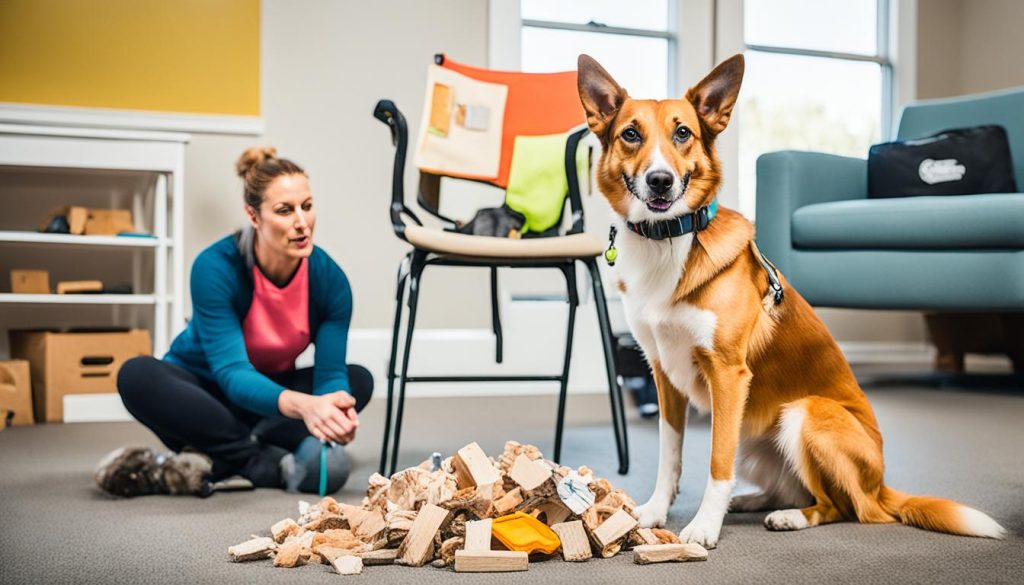
Helping your rescue dog through these steps can make a big difference. They’ll adjust better and be much happier and healthier.
Socializing Your Rescue Dog
Socializing a rescue dog is key to their well-being. It helps them adjust to your home and feel safe. With the right steps, your dog can get used to people and other animals slowly.
Begin socialization by introducing your dog to new folks and animals slowly. Start short and sweet, keeping it positive. Increase the time gradually as they get more at ease.
Watch their body language closely. If they show signs of stress, like tucking their tail, pause. Give it another go later.
Slowly expose your dog to different places, starting with quiet spots. Move on to busier areas when they’re ready. Using treats and praise will show your dog these places are fun.
Listening to stories and tips from other rescue dog owners can be a big help. Dog experts’ advice and guidelines from rescue groups are useful too. Just remember, every dog is different, and being patient is crucial.
With steady socializing efforts, your rescue pet will fit in well. They’ll be happy in their new home with time and love.
Patience and Persistence with Rescue Dogs
Training a rescue dog takes time and effort. It’s important to commit to a long-term training plan. You might face challenges, but staying positive helps you move ahead.
The path to train a rescue dog isn’t easy. You might reach points where progress seems slow. But, it’s vital to be patient and keep going. Remember, every little step counts.
Don’t forget to cheer for the small victories. Celebrating these moments helps you and your dog stay motivated. It also makes training more fun.
Adopters often stress how important it is to stick to training. Dog training experts agree. They say being consistent and patient is key in training success.
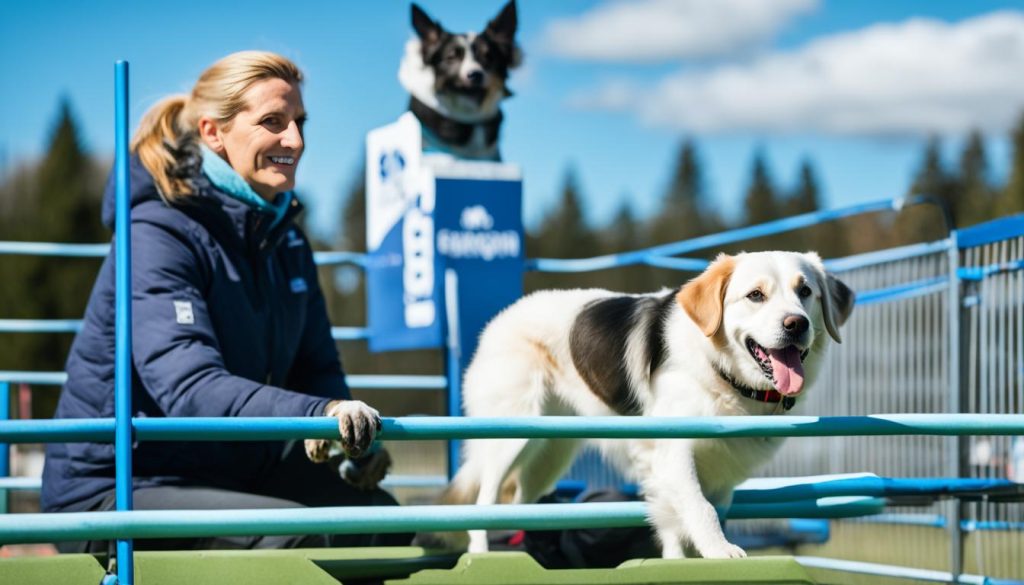
Studies on changing behavior show that praising successes helps a lot. It strengthens good habits and your bond. Remember, keep going. All your work adds up to success for your dog.
When to Seek Professional Help
Caring for a rescue dog can be rewarding but tough. Sometimes, the hurdles feel too big. Recognizing the need for help is crucial. If your dog seems really anxious, aggressive, or has severe behavior issues, getting expert advice is smart.
Professionals who train dogs offer tailored plans for different behavior issues. They have the skills to handle complicated problems. Certified animal behaviorists are tops in creating effective training strategies. They know how to crack even the toughest cases.
Your vet is a good starting point for finding help. They can point you to the right experts. Also, they often work with behavior specialists. This ensures your dog gets the best care. Don’t forget to ask local animal welfare groups for advice too.
Knowing when to get help is a win for both you and your dog. Professional training brings a structured, informed way to handle issues. It’s a path to a happier, healthier life for you both.
Maintaining Long-Term Success
For your rescue dog to be successful in the long-term, training must be consistent. Make sure to keep training them every day, even when they’re grown up. This helps their minds stay active and reinforces their good actions.
Change how you train your dog as they get older. Listen to tips for training older dogs, then be patient and willing to change. This keeps their training effective as their needs change.
Training goes beyond the basics and never really ends. Always teach your dog new things to keep them interested and sharp. This keeps your dog happy and well-behaved throughout their life.
Use every moment you have with your dog to teach them something new. Fun times like playing or going for a walk can be great for training. By doing this, you and your dog will bond more, making them a great companion.
Conclusion
Adopting a rescue dog leads to both challenges and great rewards. You’ll see your dog slowly learn to trust and love again. This process is filled with small wins that are big for both you and your new furry friend.
The guide showed us how to meet a rescue dog’s needs and build trust. It also emphasized the value of a steady daily routine. Help your new dog adapt by focusing on common issues and teaching social skills and basic commands early.
Taking on a rescue dog needs patience and ongoing effort. Don’t be afraid to get help from pros in tough times. Your choice shows the true power of love and care, making a big difference in a dog’s life.
We encourage you to share your journey or support local shelters. By doing this, you help build a caring community. Together, we can make a difference in the life of every rescue dog.
Quick Recommendation: Our blog is filled with tips and tricks for training your puppy or dog. If you are seeking a comprehensive training program, we recommend K9 Training Institute.
BTW: If you are interested in everything from nutritional advice and natural health solutions to stress-relief techniques and overall wellness tips, check out our friends at PawfectlyHealthyPets.com.