

Bringing a new puppy home is thrilling but also brings challenges. You’re starting a journey in puppy training and dog obedience. This guide will help you through the ups and downs of raising a well-behaved dog.
Learn how to teach basic commands and handle common behavior issues. You’ll get practical tips for housebreaking and leash training. These tips will help you bond with your new best friend.
Prepare to discover effective puppy training methods that make life easier for you and your dog. With patience and consistency, you’ll be on your way to a happy, obedient dog that fits your family well.
Quick Recommendation: Our blog is filled with tips and tricks for training your puppy or dog. If you are seeking a comprehensive training program, we recommend K9 Training Institute.
Understanding Your Puppy’s Needs
Puppies need more than just food and a place to sleep. They need exercise, mental challenges, and emotional support to grow well. Knowing what they need helps with behavior and getting along with others.
Exercise and play are key for puppies. A tired puppy is usually easier to manage. Walking and playing with them every day helps them use up energy and stops bad habits. The amount of exercise they need depends on their age and breed.
Keeping their minds busy is also important. Toys that make them think, training, and new things to explore are great. This keeps them from getting bored and helps them behave better as adults.
Feeling loved, safe, and getting along with others are their emotional needs. They need to feel secure and loved at home. Having a routine and being gentle with them builds trust. Socializing them means they meet different people, animals, and places. This is very important when they are young.
By meeting these needs, you help your puppy become a happy, well-behaved friend. What you do now affects how they act later and how close you become.
The Importance of Early Socialization
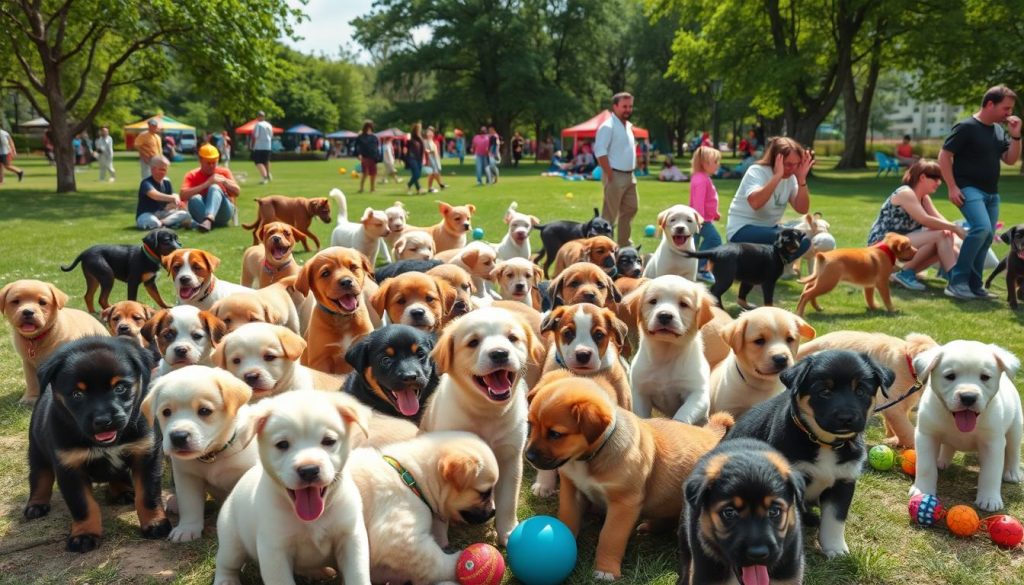
Early socialization is crucial for your puppy’s growth. It helps them become a well-adjusted adult dog. The ideal time to start is between 3 and 16 weeks old. Puppies are most open to new things during this period.
Introduce your pup to various people, animals, and places. This builds their confidence and helps avoid future issues. Take them to parks, pet stores, and puppy classes. Let them meet people of all ages, sizes, and looks. Also, introduce them to other friendly dogs and cats.
Make sure each new experience is positive for your puppy. Use treats and praise to link the experience with good feelings. If they seem scared, don’t push them to interact. Instead, let them watch from a safe spot. Gradually increase their exposure as they get more comfortable.
Proper socialization during puppy training prevents fear and aggression later. It makes them comfortable in different situations. This makes life easier for you and your dog. Start early and stay consistent for the best outcomes.
Positive Reinforcement: The Key to Successful Puppy Training
Positive reinforcement changes puppy training for the better. It rewards good actions, making your pup want to do them again. When your puppy does something right, give them praise and a treat. This links the action to a positive feeling.
Clicker training is a top choice for positive reinforcement. It uses a device that makes a clicking sound to mark the right behavior. Then, give a treat right after, linking the sound with a reward.
Being consistent is crucial in positive reinforcement training. Always reward good behavior right away. This shows your puppy what they did correctly. But remember, rewards can be more than treats. Praise, toys, or more playtime can also motivate them.
Don’t punish your puppy for mistakes. Instead, guide them back to the right behavior and reward them when they succeed. This approach builds a positive learning space and deepens your bond with your pet. With patience and positive reinforcement, your puppy’s training will flourish.
Housebreaking 101: Setting Your Puppy Up for Success
Housebreaking is key for puppy training. Begin with a regular routine for your puppy’s potty breaks. Take them outside in the morning, after meals, naps, and play. Pick a spot in your yard and use a command like “go potty” to link the action with the place.
Look for signs your puppy needs to go, like sniffing, circling, or whining. When you see these signs, quickly take them to their potty spot. Praise and give treats when they go outside. This will make them want to do it again.
Accidents will happen. Clean up well to remove smells that might bring your puppy back. Don’t scold your puppy for accidents. It can make them scared and confused. Keep focusing on preventing accidents and sticking to your training plan.
Think about using a crate or playpen when you’re not watching your puppy. Dogs don’t like to soil their sleeping spots, making crates a good way to housebreak. Remember, be patient and keep trying. With time and consistent effort, your puppy will learn to go outside to do their business.
Crate Training: Your Puppy’s Safe Haven
Crate training is a great way for new puppy owners to help their pets. It gives your puppy a safe place and helps with behavior. When done correctly, your puppy will see the crate as their own cozy spot, not a punishment.
Pick a crate that fits your puppy well. It should be big enough for them to stand, turn around, and lie down. This size stops them from using one corner as a bathroom. Start by making the crate a positive place for your puppy. Put treats, toys, and soft bedding inside to make it welcoming.
Begin with short crate times and slowly increase them. Never use the crate as a way to punish your puppy. Instead, link it with good times like eating or playing with their favorite toys. This way, your puppy will see the crate as a safe and fun spot.
Crate training also helps with housebreaking. Puppies don’t like to soil their sleeping area. By using the crate when you’re not around, you’re helping your puppy learn to go potty outside.
Remember, being patient is important with crate training. With consistent, positive encouragement, your puppy will soon love their crate. This skill is very useful for your dog’s whole life.
Essential Commands Every Puppy Should Know
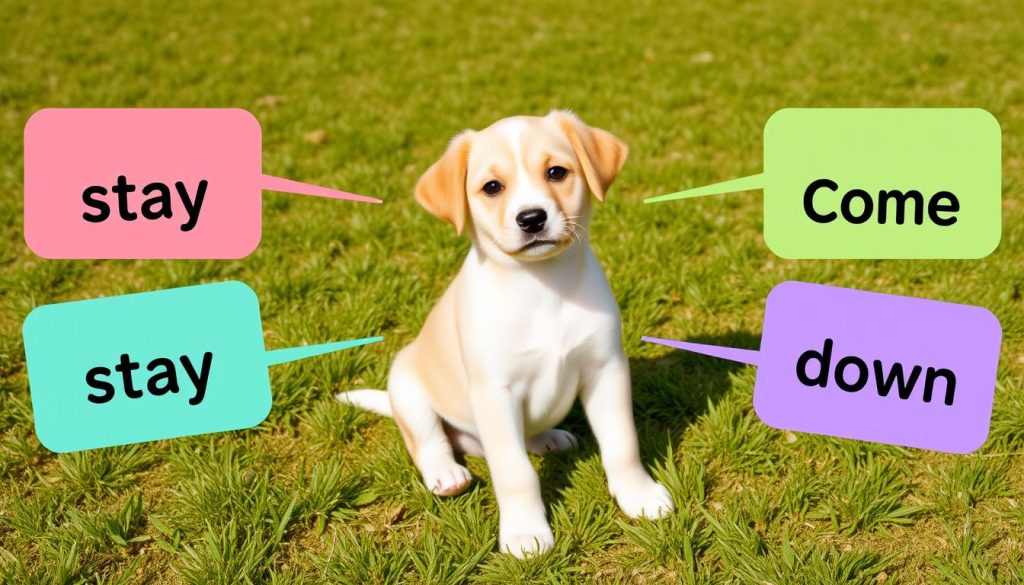
Teaching your puppy basic commands is key to dog obedience. Start with simple ones like “sit,” “stay,” and “come.” These are the basics for more complex skills later.
To teach “sit,” hold a treat near your puppy’s nose and move it up. As they follow the treat, their bottom will lower. Say “sit” and give them the treat when they sit.
For “stay,” make your puppy sit, then hold up your hand like a stop sign. Step back and say “stay.” If they stay put, praise and treat them. Slowly increase how far and how long they have to stay.
The “come” command is crucial for your puppy’s safety. Start in a quiet spot, call their name and “come,” and reward them when they come to you. Practice these commands every day in short, fun sessions to keep them learning and interested.
Consistency is important in training. Always use the same words and hand signals. Be patient and reward good behavior with treats, praise, or playtime. As your puppy gets these commands, you’ll have a strong base for more training and a well-behaved dog.
Quick Recommendation: Our blog is filled with tips and tricks for training your puppy or dog. If you are seeking a comprehensive training program, we recommend K9 Training Institute.
Leash Training: Teaching Your Puppy to Walk Nicely
Leash training is key for your puppy. It teaches them to walk calmly by your side, making outings fun for both. Begin by letting your puppy wear the leash indoors during play or while eating treats. This makes them think the leash is good.
When you’re ready for outside, use a short leash and keep your puppy close. If they pull, stop and wait for them to come back. Give them treats and praise when they walk well. It’s important to be consistent with leash training. Practice every day to keep up good habits.
Distractions can make leash training hard. Start in quiet places and slowly add more noise and people. If your puppy gets distracted or pulls, use treats or toys to get their focus back. Remember, every puppy learns at their own speed, so celebrate their small wins.
As your puppy gets better, you can walk further. Keep training fun and positive. With time and effort, your puppy will learn to walk nicely on a leash. This makes your walks stress-free and fun.
Puppy Training: Building a Strong Foundation
Starting puppy training early helps your dog behave well later. Teach basic commands like sit, stay, and come first. Then, use these commands in daily life. For example, make your puppy sit before meals or when meeting people.
This makes them understand what’s expected in different places. It also helps them behave better.
As your puppy gets older, make training harder. Try teaching them new tricks or practicing obedience with distractions. This teaches them to focus and obey even when it’s tough. Keep training fun and short to keep your puppy interested.
Being consistent is important for dog training. Make sure everyone in the family uses the same commands and rewards. This avoids confusion and speeds up learning. Regular practice and positive rewards will make your bond stronger and your dog well-behaved for a long time.
Addressing Common Behavior Issues in Puppies
Puppies often chew, bark, and jump, which can be tough for owners. These behaviors are normal during puppyhood. Knowing why they do these things helps with training.
Chewing is natural, often due to teething or boredom. Give them chew toys and stop them from chewing on things they shouldn’t. This keeps them busy and safe.
Some puppies bark a lot for attention or because they’re reacting to something. Teach them a “quiet” command and praise them when they’re calm. This training can help cut down on barking.
Jumping up is a way for puppies to say hello. To stop this, ignore them when they jump and only pay attention when they’re calm. This teaches them that being calm gets them attention.
Training a puppy takes time and patience. Being consistent helps them become well-behaved dogs. Always use positive methods to encourage good behavior and grow closer to your puppy.
Important Tip: Training your dog is just the beginning. Keep them safe an healthy with Pin Paws Pet Care. Our blog provides the training advice, and Pin Paws offers the protection your pet deserves.
The Role of Exercise and Mental Stimulation in Puppy Training
Exercise and mental stimulation are key for puppy training and changing behavior. Physical activities help burn off extra energy. This reduces behaviors like chewing and barking too much. A tired puppy is more likely to behave well and listen to training.
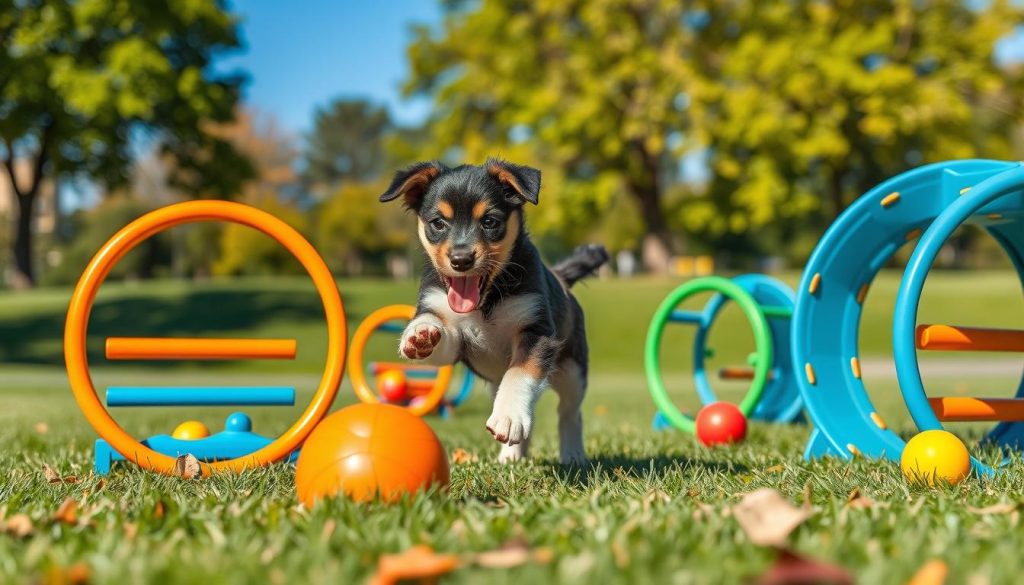
Make sure your puppy has daily walks, playtime, and fun games. Use puzzle toys and toys that make them work for treats. These keep your pup’s mind sharp and help with problem-solving skills and confidence.
Change up your puppy’s activities to stop them from getting bored. Try games like hide-and-seek, obstacle courses, or scent work. These fun tasks keep their mind active and make good behaviors stronger. A well-exercised and mentally sharp puppy is more likely to be calm and focused during training.
Balance physical exercise with mental challenges for your puppy’s best growth. This mix helps make a happy, obedient dog. Adding these to your training plan helps your puppy behave well and builds a strong bond with you.
Conclusion
Puppy training is a rewarding journey that builds a strong bond with your furry friend. It’s all about positive reinforcement and being consistent. Remember, every puppy learns at their own pace, so be patient.
Training your puppy includes housebreaking and leash training. These steps help your puppy grow into a well-mannered adult dog. It’s also important to socialize them early and teach them important commands.
Don’t forget to keep your pup’s mind sharp with mental stimulation and regular exercise. This keeps them happy and engaged. By using these training techniques, you’re not just teaching tricks. You’re building a strong relationship with your puppy.
With time and dedication, you’ll see your puppy become a confident, obedient companion. Enjoy this special time and watch your furry friend grow into a well-behaved adult dog.
Quick Recommendation: Our blog is filled with tips and tricks for training your puppy or dog. If you are seeking a comprehensive training program, we recommend K9 Training Institute.
BTW: If you are interested in everything from nutritional advice and natural health solutions to stress-relief techniques and overall wellness tips, check out our friends at PawfectlyHealthyPets.com.