

Welcome to your guide on Dog Training, focusing on Pawsitive Reinforcement. This approach is perfect if you aim to teach your dog good habits. Using positive methods, training becomes rewarding for both you and your pet.
As we start, remember two things: patience and consistency. Plus, it’s important to understand your dog’s natural instincts.
Quick Recommendation: Our blog is filled with tips and tricks for training your puppy or dog. If you are seeking a comprehensive training program, we recommend K9 Training Institute.
Understanding Pawsitive Reinforcement
Positive Reinforcement is key in modern dog training. It uses rewards to encourage good behavior in dogs. This method makes dogs more likely to act well again because they’re rewarded for it.
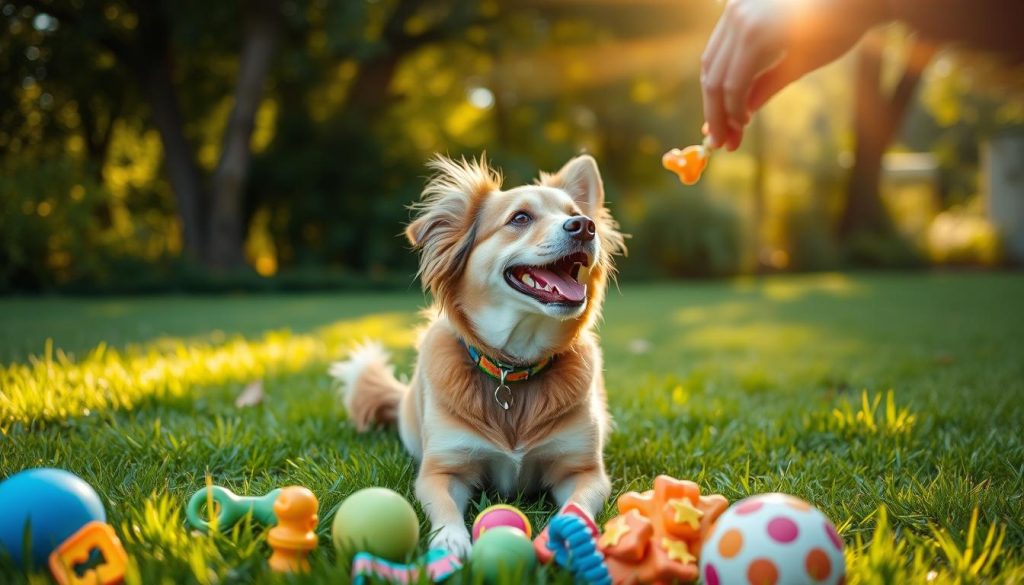
Reward-Based Dog Training works with dogs’ natural ways of learning. When your dog does something good, and you give a treat or praise right after, it reinforces that good action. This makes your dog want to do it again.
Experts in dog behavior support Positive Reinforcement. It builds trust between you and your pet. This approach not only makes training enjoyable but also keeps your dog calm and happy.
The success of Reward-Based Dog Training is proven by science. Dogs learn better through rewards rather than punishments. By using Positive Reinforcement, you create a happy, well-behaved, and loyal friend.
Benefits of Positive Reinforcement in Dog Training
Positive reinforcement changes the game for you and your dog. It boosts the trust between both of you. By using rewards and praises, your pet feels secure and comfy. This makes your bond stronger and training fun.
Another big plus is better behavior in dogs. Dogs trained this way obey more and rarely have behavior issues. This method rewards good acts instead of punishing bad ones. So, your dog will want to please you more.
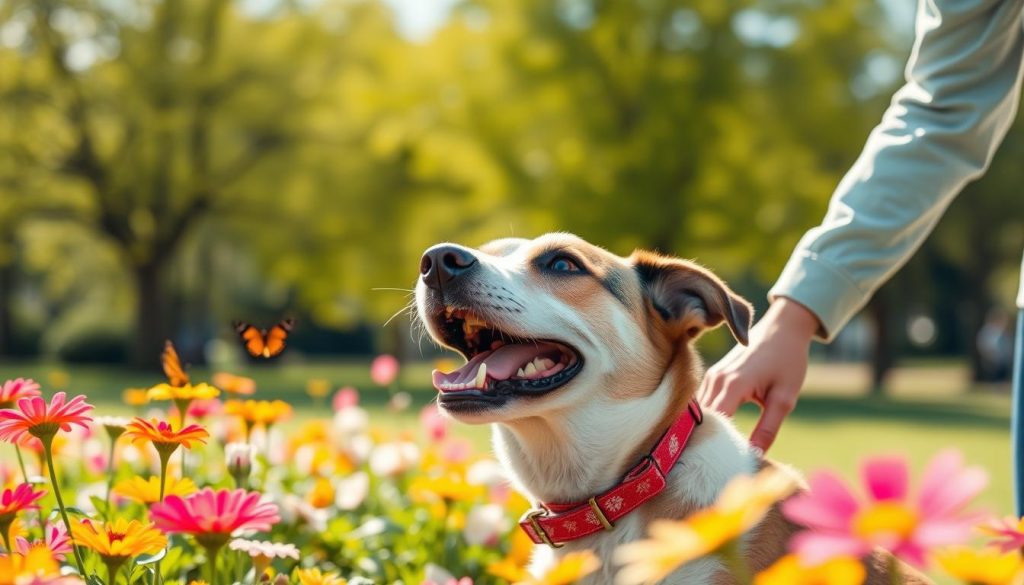
Positive reinforcement also strengthens your pet bond. Training becomes fun and rewarding, making your dog eager for it. This leads to a deeper, loving relationship. It makes training rewarding for both of you and your pet.
Experts like Cesar Millan praise positive training. They say it makes pets happier and better adjusted. Focusing on positive interactions means better behaved pets at home and outside. This enhances life quality for your furry friend.
Essential Tools for Reward-Based Training
Using the right Training Tools is key in teaching your dog. High-quality Dog Treats and handy Clickers are important. They make sure your dog finds learning fun and rewarding.
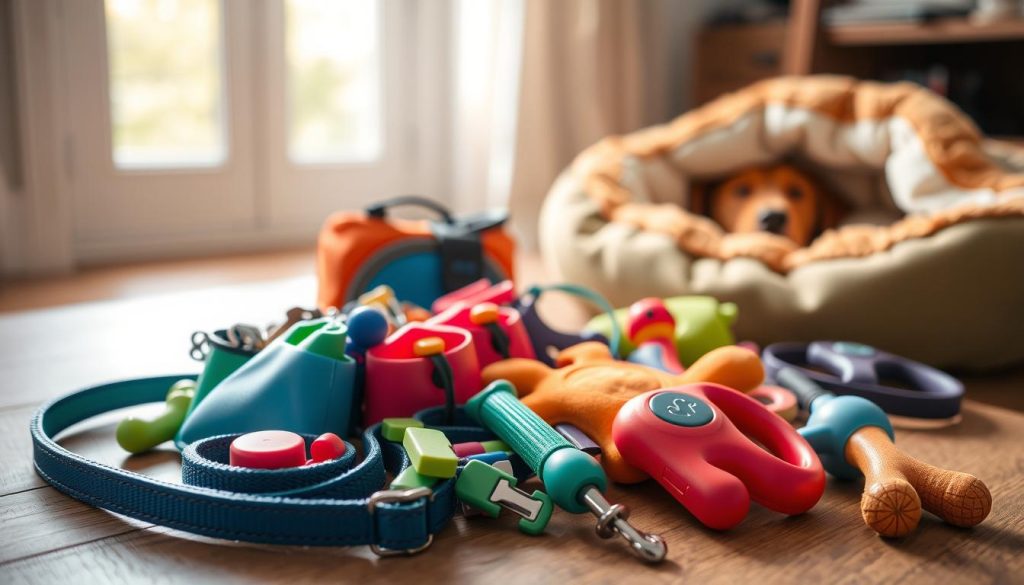
Dog Treats are very important to keep your dog interested. Choose treats that are tasty and healthy. Experts often suggest brands like Zuke’s or Blue Buffalo because they use good ingredients.
Clickers help signal when your dog does something right. They make communication between you and your pet clear. You can find easy-to-use clickers from brands like Starmark and PetSafe.
Training Collars are useful too, when used right. Martingale collars are one type. They control without hurting. Make sure it fits your dog and ask a trainer for advice to get the best results.
Mixing these Training Tools can really help in teaching your dog. The perfect blend of Dog Treats, Clickers, and Training Collars can make learning easier. It ensures training is fun for you and your dog.
Getting Started with Pawsitive Reinforcement: The Ultimate Dog Training Guide
Starting dog training with your pet can be deeply rewarding. It’s key to get the basics of positive reinforcement right. This ensures a smooth journey for you both.
Set goals that are realistic for your dog. Remember, each pet learns differently, and patience is essential. Celebrating small victories lays a foundation for tougher tasks ahead.
Learning to understand your dog’s body language is important. It helps you know when they are ready to learn or need a break. A happy and relaxed dog is open to learning.
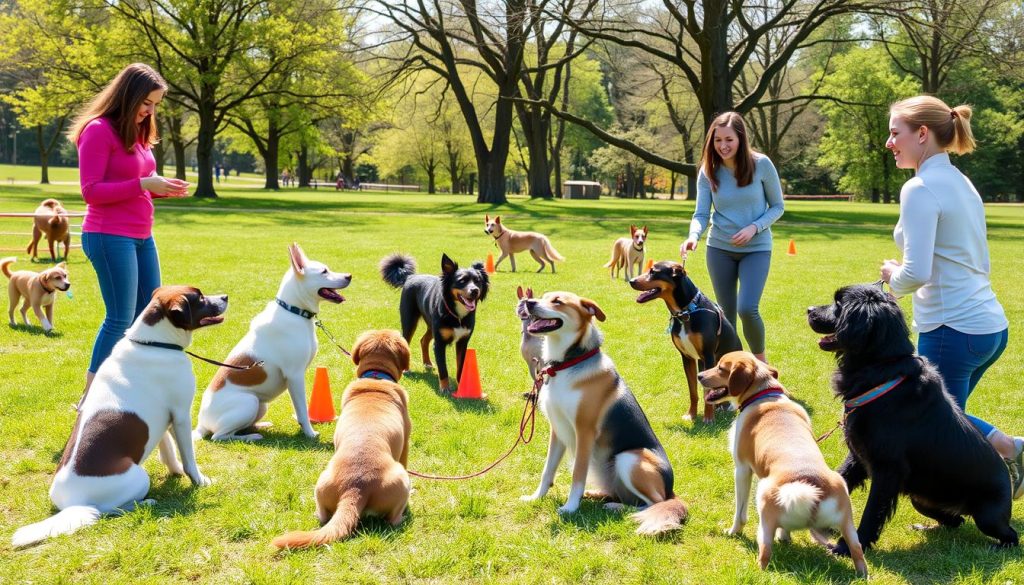
Creating a distraction-free learning space is crucial. Consistency in where you train helps too. Keep training sessions regular, short, and fun for the best results.
As your dog learns, make things harder gradually. Start with easy commands then move to tougher ones. This keeps your dog engaged and eager to learn more.
By following these steps, beginning with positive reinforcement is easy and fun. Remember, training your dog takes patience, understanding, and consistent effort. This approach will lead to a well-trained and joyful pet.
Effective Techniques for Obedience Training
Obedience Training can make your dog a good companion. Using positive rewards, you can teach them to sit, stay, and come.
To teach the sit command, lure your dog with a treat. While doing so, gently press their back down. Then, quickly praise and reward them.
For stay, have your dog sit first. Show them your open palm and say “stay.” Slowly increase the time and distance, then reward.
The come command could save your dog’s life. Excitedly call their name with “come,” using a leash. Generously reward them when they come. These methods are great for all dog types. The success of Obedience Training depends on your patience, consistency, and positive reinforcement.
Quick Recommendation: Our blog is filled with tips and tricks for training your puppy or dog. If you are seeking a comprehensive training program, we recommend K9 Training Institute.
Addressing Canine Behavior Issues
Training your dog to drop bad habits can be tough but fulfilling. To stop excessive barking, find out what sets it off. Then, use treats or cuddles as rewards for quiet times. It’s vital your dog gets what behavior you want from them.
If your dog jumps on people, ignore them until all paws are on the ground. Reward them then. With time, your dog will learn that staying down gets them love.
When a dog chews furniture, it might be bored or stressed. Keep them busy with chew toys and activities. Reward them for picking toys over furniture. Remember, fixing bad habits takes time and patience.
Using positive ways to solve dog behavior problems helps build a strong bond. Tackle each problem with care and patience. You’ll see that issues like barking, jumping, and chewing can be solved. All it takes is consistent and kind training.
Case Studies: Success Stories Using Pawsitive Reinforcement
Let’s dive into some amazing success stories that show how effective positive reinforcement is in dog training. These stories aim to inspire and support your own dog training efforts.
Meet Max, a rescue dog who was once filled with anxiety. Positive training changed him. His family used rewards for good behavior, helping Max become a confident dog. His improvement is a testament to the power of encouragement.
Then there’s Bella, a lively Labrador who loved to jump and pull on her leash. Her family used treats and praise to train her. Thanks to these methods, Bella made great strides. She is now well-behaved, showing how effective positive reinforcement is.
Don’t forget about Daisy, an older Beagle with house training problems. Even at her age, she responded well to rewards. Daisy’s success proves it’s never too late for change. Her owner’s stories of her reliability and obedience are truly moving.
These examples prove that positive reinforcement works for many behavior issues in dogs of all breeds and ages. By sharing these success stories, we hope to show that anyone can achieve training success. All it takes is the right approach and a bit of patience.
Tips for Making Training Sessions Fun and Rewarding
One key to enjoyable training is keeping your dog interested. Turn training into interactive dog training to make both of you happy. Integrate training games to keep the fun alive.
Begin with short play times during training to break the routine. Use toys and treats as rewards, making sessions fun and valuable. Always use effective praise, celebrating small successes with happy words and petting.
To add more excitement, change the activities often. This keeps your dog from getting bored. Interactive dog training challenges their mind and strengthens your relationship. Mix activities like fetch, hide-and-seek, and agility drills with obedience training for a great time.
The main goal is a well-behaved and joyful dog. Making training feel like games keeps your dog engaged. Embrace the fun of teaching and playing together. It makes both of you eager for each training session.
Conclusion
As we wrap up this ultimate dog training guide, let’s think about the power of positive reinforcement. You’ve learned how positive methods boost good behavior and strengthen your bond with your dog. Remember, training takes time. With persistence and patience, you’ll see lasting results.
Each dog is different and might react uniquely to training. It’s crucial to keep trying and to celebrate every success. This guide gave you the tools, techniques, and stories to help you. With this knowledge, you’re ready for any training challenge.
Positive reinforcement is more than a training tactic; it’s a way of life with your dog. It builds trust and respect, making life happier for both of you. Training your dog is a continuous adventure. Stay curious, keep learning, and enjoy every step of this journey with your loyal friend. Here’s to Pawsitive Reinforcement and the endless adventure of learning.
Quick Recommendation: Our blog is filled with tips and tricks for training your puppy or dog. If you are seeking a comprehensive training program, we recommend K9 Training Institute.
BTW: If you are interested in everything from nutritional advice and natural health solutions to stress-relief techniques and overall wellness tips, check out our friends at PawfectlyHealthyPets.com.