
Ever wonder why some dogs walk so nicely, while others pull a lot? Leash training is a big part of teaching your dog how to behave. It takes those messy walks and turns them into something fun.
When I trained Odin, a lively puppy, and I worked with various dogs in classes, I learned a lot. Key to good leash training is being consistent. I used positive methods and small steps to introduce new challenges. For dogs like Maggie, tools like the SENSE-ation Harness help a lot. They give more control and keep things running smoothly.
Using treats, like dried beef bits, can really help. It makes the dog enjoy learning good behavior. Our aim is having dogs walk beside us happily most of the time. Good leash training means doing things in small, regular steps. This helps the dog learn well, and it strengthens your bond. So, if you want your dog to walk calmly beside you, it’s time to get started.
Quick Recommendation: Our blog is filled with tips and tricks for training your puppy or dog. If you are seeking a comprehensive training program, we recommend K9 Training Institute.
Why Leash Training is Essential for Your Dog
Leash training your dog teaches manners and is vital for good pet ownership. Most dog owners, about 93%, walk their dogs on leashes due to safety concerns. This practice aims to keep the public safe, with 75% of dog owners training their dogs to use a leash.
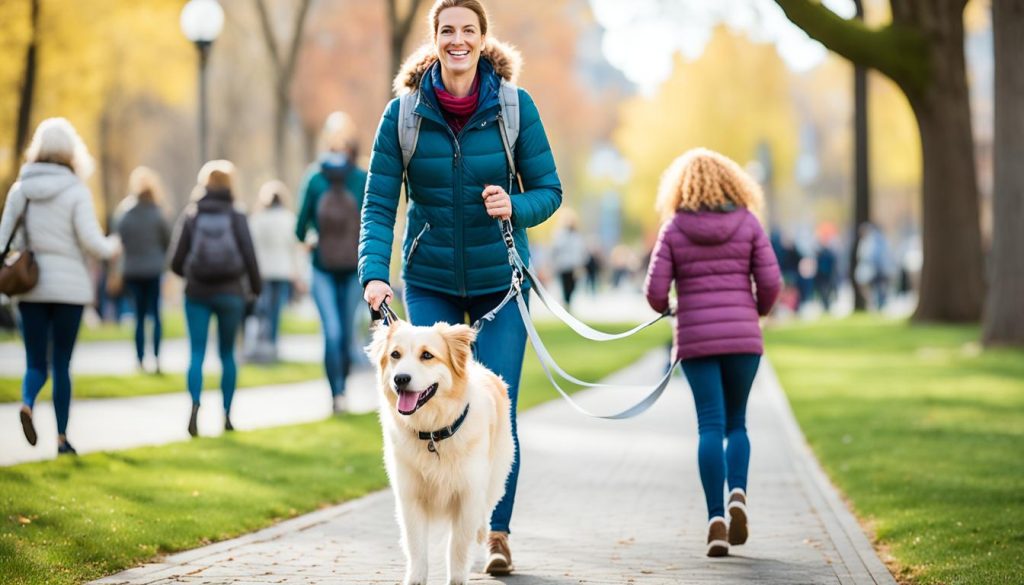
Many places have laws requiring dogs to be on a leash outside their home. These rules are there to prevent accidents and keep the community safe. Proper training can also make walks enjoyable for you and your furry friend. It lets your dog explore safely while following local rules.
Learning to walk on a leash also deepens the connection between you and your dog. Owners who train their pets three times a week often see better behavior, according to 85% of them. These training sessions are good chances for positive time together, building good habits and trust.
Buying a top-notch leash, like those from Julius-K9, can make training easier and more effective. Good gear means a happier dog when walking. Stick to regular training and let your dog get used to various places. This approach can really change your dog’s behavior. Always remember that using a leash and proper training are part of being a responsible pet owner.
Understanding Your Dog’s Behavior
Learning about dog psychology and behavior is key for leash training. Some behaviors, like resource guarding and reactivity, stem from deep issues. By understanding these behaviors, you can better handle challenges they cause.
Breeds come with their own natural tendencies. For example, herding dogs might like to chase things, and hounds often follow scents. But, a dog’s early life plays a big part in how they act. Knowing your dog’s background helps you train them better.
Most dogs pull on leashes at first. Being consistent in your training is vital to stop this. Use a 4 or 6 foot leash to let them explore but keep them close. Always have treats to encourage good walking. Rewarding them for staying by your side teaches them to walk nicely.
Keep training sessions short, around 10-15 minutes, as dogs can get easily distracted. Work on making your dog look at you while walking, which can improve their leash skills. Short positive sessions make training fun for everyone involved.
If your dog acts out on a walk, be calm and cheerful but firm. Avoid jerking the leash. Aggression or jumping during walks are common problems. Dealing with these issues makes walks better for you and those around you.
Good leash training makes walks better for you and your dog. Understand your dog’s behavior and psychology. This helps you both enjoy walking more.
Getting Started with Leash Training
Starting off with leash training means making sure your puppy’s collar and leash fit right. This step is very important to get your pup used to walking on a leash. It’s good to have a front-hook harness, especially if your dog likes to pull.
Dogs don’t have long attention spans, so keep training sessions short and fun. Begin indoors in a quiet room and then move outside. Use tasty treats to keep your puppy interested and focused.
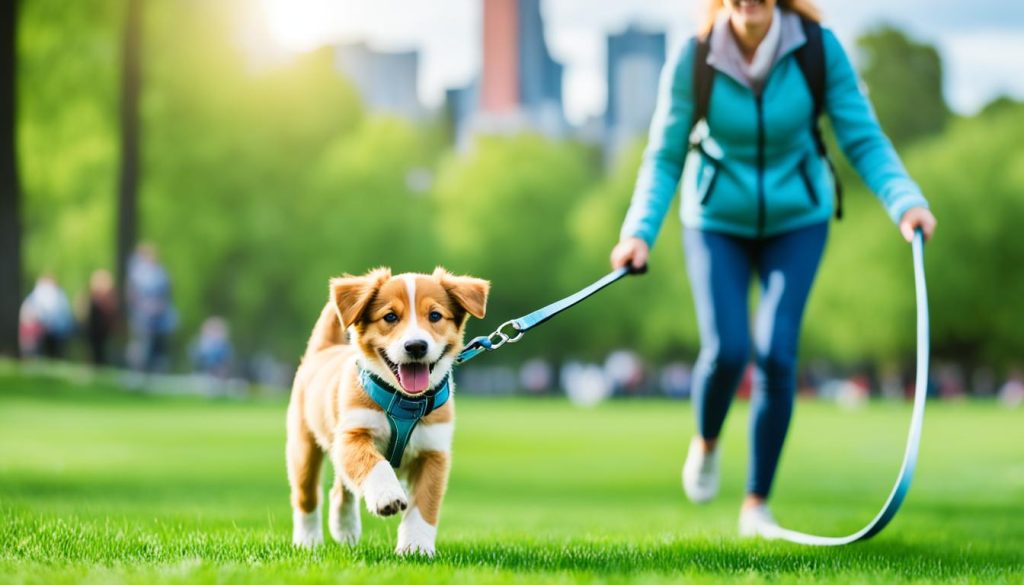
If your puppy pulls on the leash, don’t reward this action. Instead, try stopping or turning around. Teach them to walk calmly beside you. Short, regular practices will improve how your puppy behaves on a leash. Remember, being patient and staying consistent is important in dog training.
Basic Techniques for Teaching Leash Manners
Leash manners are all about using the right tools and methods. Dog Savvy Los Angeles focuses on positive training. They use fun games to make walking with you fun for your dog. This makes your dog want to walk politely beside you.
Dogs walk faster than humans, so it’s key they learn to slow down. The “stand like a tree” technique works wonders. If your dog pulls, stop moving. This shows them they only go forward when they don’t pull. Give treats and praise for walking nicely.
Alternating between focusing and sniffing breaks also helps. This meets your dog’s needs and keeps them close. Teaching your dog to sit before getting a sniff break helps keep their leash manners in check.
Using the right gear, like a head collar, helps with pulling. A short leash keeps your dog safe and close. Be sure to use the same commands every time and reward good behavior.
It’s also good to have a plan for when your dog is on or off-duty. This teaches them when they can pull and when they can’t. Always be patient and use positive training methods. This is key according to Dog Savvy Los Angeles.
Quick Recommendation: Our blog is filled with tips and tricks for training your puppy or dog. If you are seeking a comprehensive training program, we recommend K9 Training Institute.
Advanced Leash Training Tips
Improving your dog’s leash manners needs effort and consistency. A vital strategy involves training your dog to focus despite distractions. This includes getting them used to other animals, sounds, and moving things.
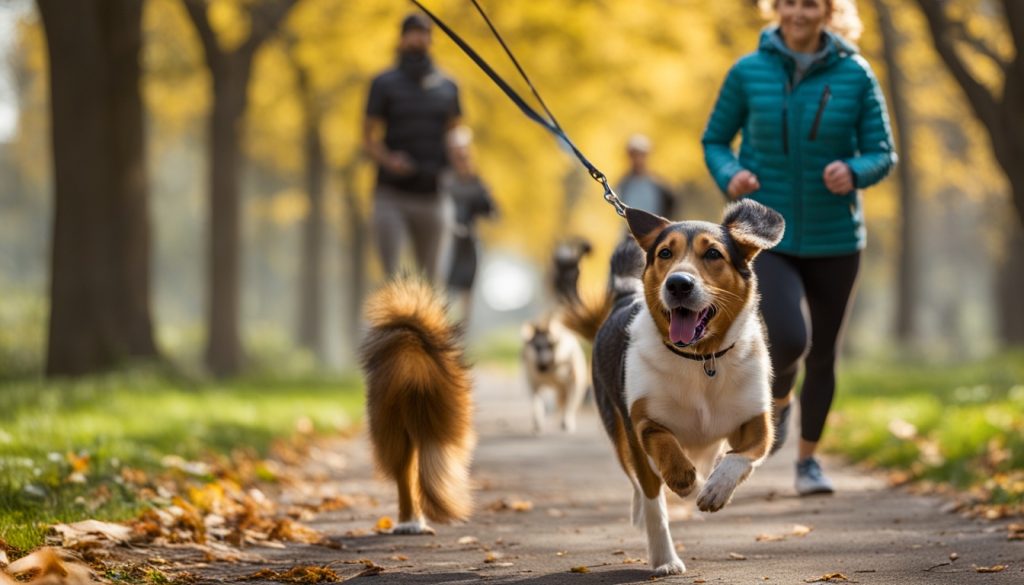
In our class, many owners face challenges like pulling and reacting to dogs. Surprisingly, they often improve by Week Two. They get better at handling leashes and using cues. Rewards help reinforce these good behaviors. But, some hit a plateau by Week Three due to inconsistent practice.
Training your dog well is like mastering a sport. You must put in the work regularly. Always encourage your dog when they do something right. Many find it hard when they see professionals get great results. However, regular practice and clear communication with your dog are the keys to success.
By Week Four, most clients notice big changes. Both the dogs and their owners understand each other better. This leads to better walks. It’s best to train 4-5 times a week for 3-4 months. This approach will give you perfect walks in the end.
For more challenging situations, advanced commands are crucial. For instance, walking several dogs can be managed with the right techniques. Using two leash points can help keep leashes loose. This prevents issues like lunging. Plus, extra help through Q&A sessions and updates will continue to guide you.
The end goal is to have a strong bond with your dog based on trust. With the right training, your dog will listen better. You’ll both enjoy your walks much more.
Quick Recommendation: Training your dog is just the beginning. Keep them safe an healthy with Pin Paws Pet Care. Our blog provides the training advice, and Pin Paws offers the protection your pet deserves.
The Role of Off-Leash Time in Leash Training
Adding off-leash time to your dog’s training plan can make them more obedient. This is because it’s a great reward for behaving well on a leash. Your dog becomes more eager to listen and learn.
Off-leash training can be challenging for many dogs. In fact, about 88% of them are not trained to be reliable off-leash. Having a long line, around 20 to 100 feet, can help. It gives them freedom while you keep them safe. Using the Premack Principle can also make training more effective. It’s about turning their fun playtime into motivation to behave well.
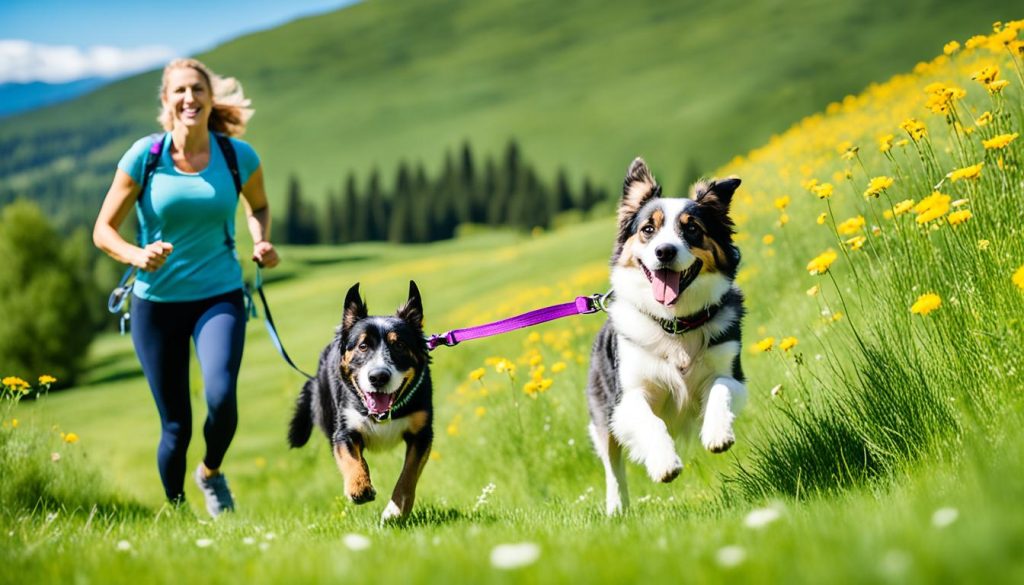
Different dog breeds respond differently to off-leash training. Herding and sporting breeds usually listen well and stay close. On the other hand, hounds and terriers may want to chase more. Knowing your dog’s background helps a lot. It allows you to deal with things like wanting to explore, being scared of loud noises, or being really active.
Using off-leash time as a reward can also improve on-leash behavior. Making off-leash time a regular part of their day builds a stronger bond. Mixing up rewards, like using a clicker or just praising them, keeps training fun. It also means teaching them the important commands and practicing them a lot. Mixing it up and balancing rewards can establish good off-leash habits.
Remember to follow all local leash laws, even if you’re training off-leash. Safety is key for both you and your dog. Keeping up with these rules leads to a better experience for everyone.
Common Mistakes and How to Avoid Them
Dog owners often struggle with teaching their pets how to behave on a leash. Issues like using commands inconsistently and not rewarding good behavior enough come up a lot. Many also find it hard to understand what their dog is saying with their body. Leash problems are a big reason why owners turn to professionals for help.
When it comes to leash manners, dogs might pull, bark a lot, get overly excited, or react badly to other animals. These actions can get stronger over time if not dealt with. For instance, dogs that pull a lot or get anxious around other dogs need to learn better habits.
Working on leash skills in busy places is tough, making both the dog and owner frustrated. Just teaching about loose leash rules isn’t a long-term fix. It’s better to always be teaching new habits and start with positive training from the beginning.
Starting training early is very important, but older dogs can learn too. It’s key to being on top of your pet’s behavior. Despite what some say, being in front on a walk doesn’t mean the dog is boss. Instead, focus on rewarding your dog for walking nicely 90% of the time.
In Fresno and Clovis areas, there are services that fit training to your dog’s and your needs. These can help avoid and fix common leash mistakes. This way, walking your dog becomes a more fun experience for you both.
The Benefits of No-Pull Harnesses
A no-pull harness is a great tool for your dog. It spreads the force from pulling evenly. This stops strain on your dog’s neck and stops you from getting hurt. It works well for dogs that pull a lot and for breeds with flat faces.
These harnesses can make your walks much better. They teach dogs not to pull without being harsh. This builds a better relationship between you and your pup. Many of these harnesses pull the dog back a little when they start to tug.
No-pull harnesses fit any dog because they are adjustable. They keep your dog comfy while teaching them to walk nicely. They have soft padding so your dog is happy during your walks.
This harness helps stop strong dogs from pulling hard. It makes walking with your dog easier, especially in busy places. Using it with positive training can really help over time.
For dogs that are really strong, these harnesses can give you extra control. They help turn walking into a good habit. Remember, you must pick the right size and make sure it fits well to keep your dog safe and comfy.
Conclusion
Mastering leash manners is more than just a big step. It’s the start of happy walks for both you and your pet. Use positive ways to teach your dog, like treats and toys, to make training fun. Avoid using things that might hurt your dog, like choke collars, for their safety.
Start training your dog to walk on a leash at home. It’s quiet with fewer distractions. Introduce them to walking outside slowly. You can use techniques like stopping and turning when they pull to teach them not to pull.
Keep training sessions short but do them often. This is better than long, infrequent sessions. A harness that leads from the chest or a no-pull harness can help. And a certified dog trainer can give you good advice. Remember, being patient is very important. Keep the training methods the same for everyone in your family.
Focus on making walks good experiences for your dog. This will make your bond stronger. Follow our tips, and enjoy spending hours walking together happily.
Quick Recommendation: Our blog is filled with tips and tricks for training your puppy or dog. If you are seeking a comprehensive training program, we recommend K9 Training Institute.
BTW: If you are interested in everything from nutritional advice and natural health solutions to stress-relief techniques and overall wellness tips, check out our friends at PawfectlyHealthyPets.com.