

Starting to train your dog is both fun and a bit tough. It’s key to grasp the basics of training young dogs and how their behaviors develop. This adventure takes you from the playful puppy stage to the disciplined adult dog you want. You’ll dive into a range of activities, tips, and ways to guide your dog’s behavior with patience and steadiness.
Quick Recommendation: Our blog is filled with tips and tricks for training your puppy or dog. If you are seeking a comprehensive training program, we recommend K9 Training Institute.
Understanding Canine Behavior
Learning how dogs use body language is key to talk to your furry friend. Noticing when they wag their tail or if their hackles raise tells you how they’re feeling. It could mean they’re happy, scared, or ready to play.
Exploring dog psychology helps you understand their actions. By getting the basics, like pack roles and what stresses them out, you can train them more easily. This leads to a happier, safer home for your pet.
Knowing behavior cues shows you how your dog feels. A tucked tail means they’re scared, but a relaxed stance means they’re happy. Watching these signs and tuning your approach can strengthen your friendship.
Puppy Training Basics
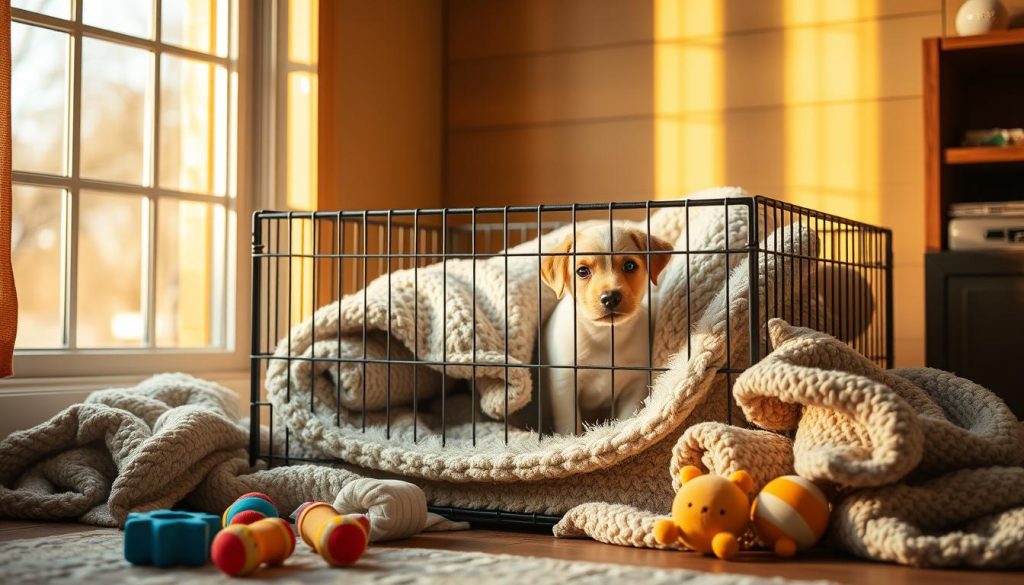
Starting to train your puppy early is key to having a well-behaved dog. Focus first on housebreaking. This involves taking your puppy outside often, rewarding them when they do well, and being understanding of mistakes. Crate training can also be very helpful. It gives your puppy a safe spot and helps with housebreaking.
It’s important to start teaching basic commands early on. Commands like “sit,” “stay,” and “come” are crucial. You need to be consistent, set clear rules, and have a regular routine. Remember, it’s important to reward your dog right after they follow a command. This helps them learn what behaviors are good.
Having a daily routine is not just good for housebreaking. It also gives your puppy a feeling of stability and safety. Stick to a schedule for meals, bathroom breaks, and training. This routine helps your puppy understand what is expected and helps them become a well-mannered pet.
Positive Reinforcement Techniques
Positive reinforcement is the best way for dog training. It focuses on rewarding good behavior. This encourages dogs to keep up the good work. You can use treats, praise, or toys to reward your dog.
Clicker training is a favorite in this method. It uses a small device that clicks. You click it when your dog does what you want. This way, you mark the good behavior clearly. Adding a treat with the click helps your dog learn faster.
To train successfully, keeping your dog motivated is essential. Rewarding them makes training fun and interesting. This encourages them to keep learning. Use treats or lots of love to keep them eager.
Using positive reinforcement helps build a strong bond with your dog. It also leads to quicker progress in their training and behavior.
Obedience Training Essentials
Success in dog training starts with basic commands like sit, stay, and come. These commands lay the foundation for more complex training. They help your dog behave well in different settings. Adding these commands to daily life improves your bond with your dog. Dogs love having rules, which makes obedience training good for you and your furry pal.
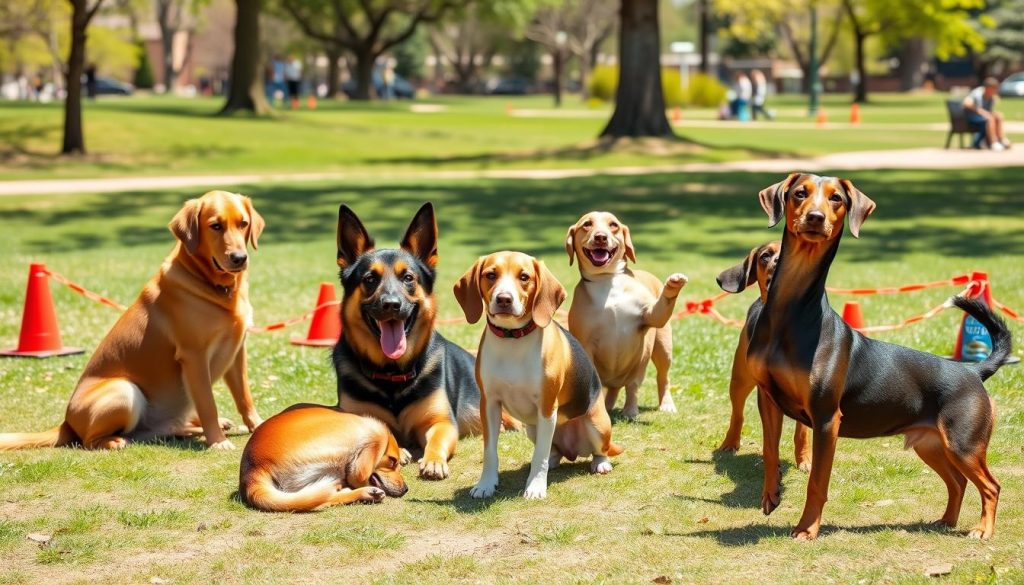
Advanced training moves obedience up a notch. It introduces harder commands and activities that challenge your dog’s mind and response. Adding tasks like heel work and off-leash recall boosts your dog’s discipline and trustworthiness. This not only steps up your dog’s obedience but also strengthens your connection.
Regular practice and positive rewards are vital in obedience training. Rewards and praise make learning fun for your dog and encourage good behavior. Remember, staying patient and persistent is important. Over time, your dog will pick up these crucial skills. This will bring you both joy and peace of mind.
Behavioral Training for Problematic Behaviors
Every dog owner faces tough behaviors now and then. This could be aggression, too much barking, or chewing things they shouldn’t. Knowing how to fix these issues is key for a peaceful home. With the right behavior change methods, you can solve these problems.
First up is handling aggression. Aggression in dogs might come from fear, frustration, or wanting to be the boss. Instead of punishing, which can make things worse, it’s better to use positive reinforcement. By rewarding calm behavior, your dog learns what you want.
Barking too much is another issue. Solving this can really make a difference. Figuring out why your dog barks, like being bored, anxious, or protective, is step one. Giving them things to do can help lessen the barking.
Then, there’s chewing. This is common in puppies. Behavioral training can help steer this energy to better outlets. Offer chew toys and use rewards to teach them to stop chewing things like your shoes.
Quick Recommendation: Our blog is filled with tips and tricks for training your puppy or dog. If you are seeking a comprehensive training program, we recommend K9 Training Institute.
Puppy Socialization
Getting your puppy used to the world is crucial. It means showing them different people, animals, and places. This helps your puppy feel confident and act right in new situations.
To start, introduce your puppy to new things early. Have family and friends visit your puppy. Make sure these first meetings are happy and calm. This helps stop fear and future aggression in your puppy.
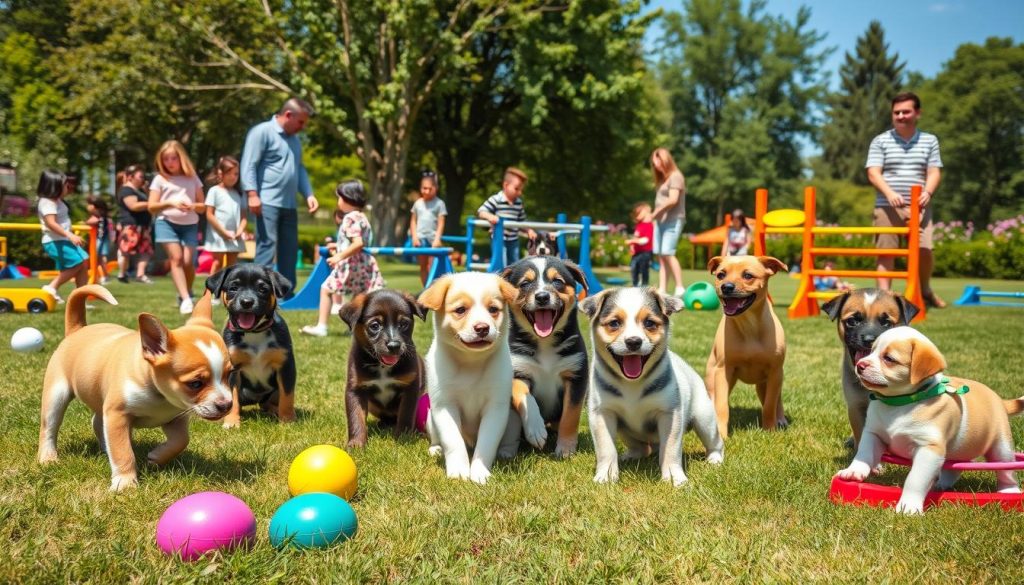
Meeting other pets needs to be safe. Use puppy classes or playdates for safe meet-ups. Watch how your puppy acts and change things up to keep them comfortable.
Don’t skip out on new places. Short car rides and visits to the park are great. These little trips help them deal with fear and grow up brave. They lead to a well-behaved, joyful, and brave dog.
Leash Training Tips and Tricks
Teaching your dog to walk nicely on a leash can make walks much more fun. It’s important to work on leash manners with your furry friend. This way, they learn to walk beside you without pulling, making every walk smoother for both of you.
Investing time in loose-leash walking is worthwhile. It’s different from old methods that require a tight grip and lots of corrections. With loose-leash walking, your dog learns to stay by your side without much pulling. Start practicing where there are no distractions and reward your dog for sticking close.
Choosing the right harness is crucial for leash training. A good harness can help lessen pulling and improve control. A front-clip harness is best for dogs that pull. It brings their attention back to you and stops them from pulling ahead.
If your dog keeps pulling, try stopping and waiting until they come back to you. This shows them that pulling doesn’t help them get ahead. It’s a good way to teach them to walk nicely on a leash.
Being consistent and patient is key in leash training. Work on good leash manners, loose-leash walking, and picking the right harness. Then, you can enjoy relaxing walks with your dog.
Advanced Training Challenges and Tricks
Exploring advanced training challenges and tricks with your dog can be very rewarding. You can try agility training to boost their physical fitness and coordination. Trick training is also great for keeping their minds sharp. Both you and your furry friend will find these activities rewarding.
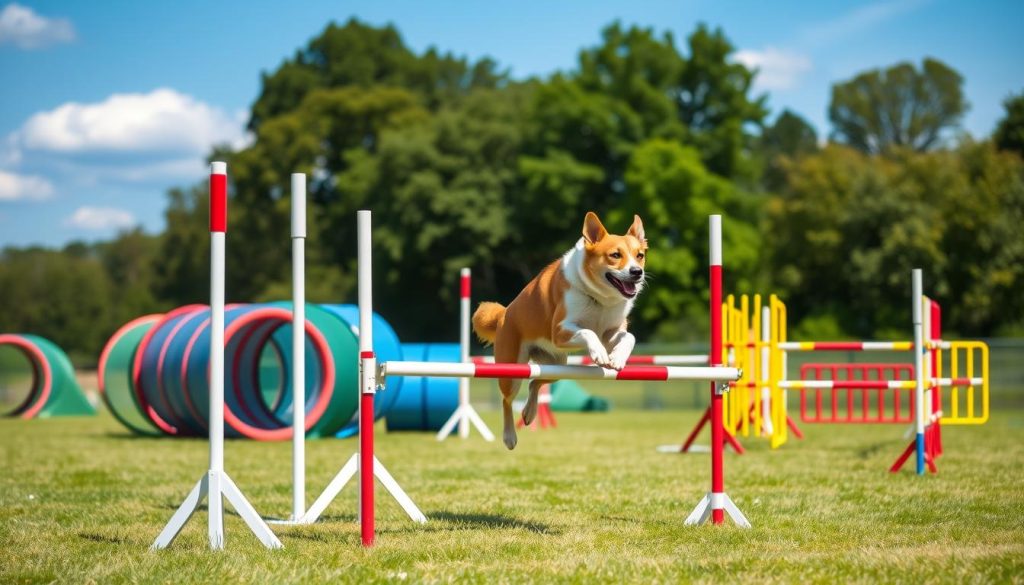
Agility training makes your dog race through an obstacle course. It makes them follow specific commands. This boosts your dog’s agility and strengthens your bond through teamwork. Whether jumping over hurdles or weaving through poles, agility training helps use their energy in a positive way.
Trick training is equally enriching for your dog’s mind. Teaching new tricks like rolling over or fetching items provides mental challenge. It makes them more alert and responsive. Plus, showing off your dog’s tricks is always fun.
Adding these activities to your dog’s life challenges them physically and mentally. It leads to a well-behaved dog and strengthens your bond. Dive into agility and trick training to unlock your dog’s full potential.
Preparing for Your Dog’s Senior Years
As dogs enter their senior years, we need to change how we care for them. They might not be as active and could sleep more. By understanding and adjusting, we can meet their changing needs.
It’s important to keep training our senior dogs. They may be older but still need mental and physical exercise. Change their training to be easier on their bodies. This keeps them sharp and healthy.
Be patient and kind with older dogs. They may learn slower or forget commands. Keep practicing with them. This helps maintain their good behavior and improves their life quality.
Conclusion
Your journey in dog training shows your patience, dedication, and love. You’ve understood your dog’s behavior, building trust and respect. Starting with puppy training basics has made a safe space for learning.
Positive reinforcement has boosted your bond, making training more effective. Obedience training improved communication with your dog. You’ve handled tough behaviors with confidence and care.
You’ve been adaptable in teaching puppy socialization and leash use, vital for success. Preparing for your dog’s older years shows deep commitment. Continuous learning ensures a joyful life together.
Quick Recommendation: Our blog is filled with tips and tricks for training your puppy or dog. If you are seeking a comprehensive training program, we recommend K9 Training Institute.
BTW: If you are interested in everything from nutritional advice and natural health solutions to stress-relief techniques and overall wellness tips, check out our friends at PawfectlyHealthyPets.com.