
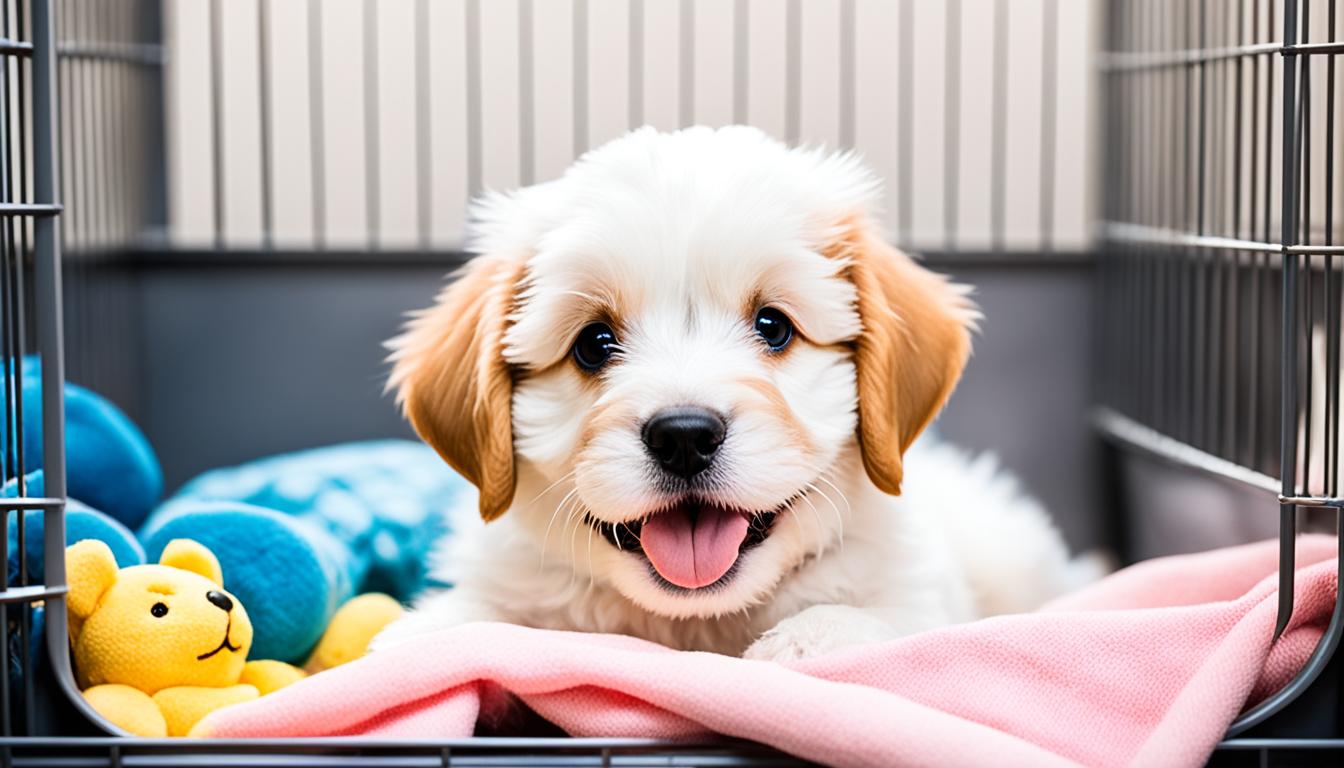
Ever thought about why crate training is vital for a happy and well-behaved puppy? The Puppy Academy experts say it’s key for many things. These include teaching them where to potty, how to control impulses, handle time apart, and stay safe.
A good crate is much more than a simple box. It creates a safe puppy space that your pet can call their own. This area supports your pup’s need for security. It also feels like a natural den, appealing to their instincts.
Having a designated space helps puppies avoid making messes. This keeps their sleeping area clean. It’s also a step towards establishing a routine. Both the puppy and its human learn to expect certain behaviors.
It’s crucial to remember that a crate isn’t for punishment. It should be a spot your puppy happily retreats to. With the right puppy crate training, you get a lot of crate benefits. This is an essential aspect of helping your pup become an outstanding adult dog. So, are you ready to learn about crate training and the positive impact it can have on your puppy’s life?
Quick Recommendation: Our blog is filled with tips and tricks for training your puppy or dog. If you are seeking a comprehensive training program, we recommend K9 Training Institute.
Why Crate Training is Important for Your Puppy
Crate training is key for new puppy owners. It helps with both housebreaking and preventing separation anxiety. It gives your puppy a safe space and helps them establish a routine. This training method is highly recommended by vets and trainers for building a strong bond between puppies and their owners.
One of the top benefits of crate training is it makes housebreaking easier. Puppies won’t go to the bathroom where they sleep, which makes a crate perfect. Make sure the crate is the right size – big enough for them to move, but not too large. Puppies under six months should only be in their crate for a few hours at a time.
Good crate training takes time, from days to weeks. How long it takes depends on your puppy’s nature and previous experiences. It includes steps like getting them used to the crate and feeding them in there. Choosing the right crate type is also important, like plastic, metal, or fabric.
Crate training isn’t just for puppies. It helps older dogs adjust too, keeping them safe and happy. Having a space they know is theirs can prevent destructive behavior. It also eases the process of leaving them home alone without worry.
In summary, crate training is a powerful tool for puppy owners. It’s not just about housebreaking. It helps with separation anxiety and more, making it a crucial part of training a new puppy.
Choosing the Right Crate for Your Puppy
It’s vital to pick the right crate for your puppy. This is key for their comfort and safety. Consider crate size based on your dog’s breed and weight. Crates for dogs range from 18” x 12” x 14” for toy breeds to 48” x 30” x 32” for big breeds like Bernese Mountain Dogs. This size range lets your puppy have space to move but also feel cozy and safe.

For puppies that are still growing, look for crates with adjustable dividers. These will let you change the space as needed, saving you money. For puppies that are still learning, look for crates that are easy to clean, durable, and well-ventilated. Many dog owners choose plastic crates because they’re tough and simple to keep clean. On the other hand, metal crates rank high for their strength and good air flow.
Think about your lifestyle and what you need when choosing a crate. Consider how easy it is to clean and whether it’s good for travel. Your home’s look also matters. While some prefer fancy crates that look like furniture, these might not be chew-proof. Fabric crates are easy to set up and move but aren’t great if your puppy likes to chew.
The best crate is one that meets your puppy’s needs and fits into your life. Whether for travel, training, or a cozy spot to rest, the right crate makes all the difference for your puppy’s happiness and health.
Getting Started: Introducing Your Puppy to the Crate
Introducing your puppy to the crate should be a gentle process. Let them explore the crate freely. For a friendly feel, use treats and praise, and the “House” command.
Make the crate a fun place by feeding your puppy in it. A KONG toy with frozen peanut butter is a great choice. Start with short times in the crate, increasing slowly. This helps your puppy see it as a relaxing spot.
Puppies under six months old shouldn’t stay in the crate too long, say, over three to four hours. Track crate time to tackle play, food, and bathroom needs properly. Be consistent in your crate training, avoiding confusion.
Crate training can last up to six months, including some challenges. Remember, careful crate setup leads to happier crate times for your puppy.
Crate Training Tips for Success
Start crate training with a fun and positive vibe. Use games and treats to show your puppy that the crate is a good place. Begin with short times in the crate and increase it slowly as your puppy gets used to it.
Puppies can’t hold their bladder for long when they’re young. Use your puppy’s age in months plus one to know how long they can wait. Don’t let them stay in the crate too long. As they grow up, they can wait longer before needing a break.
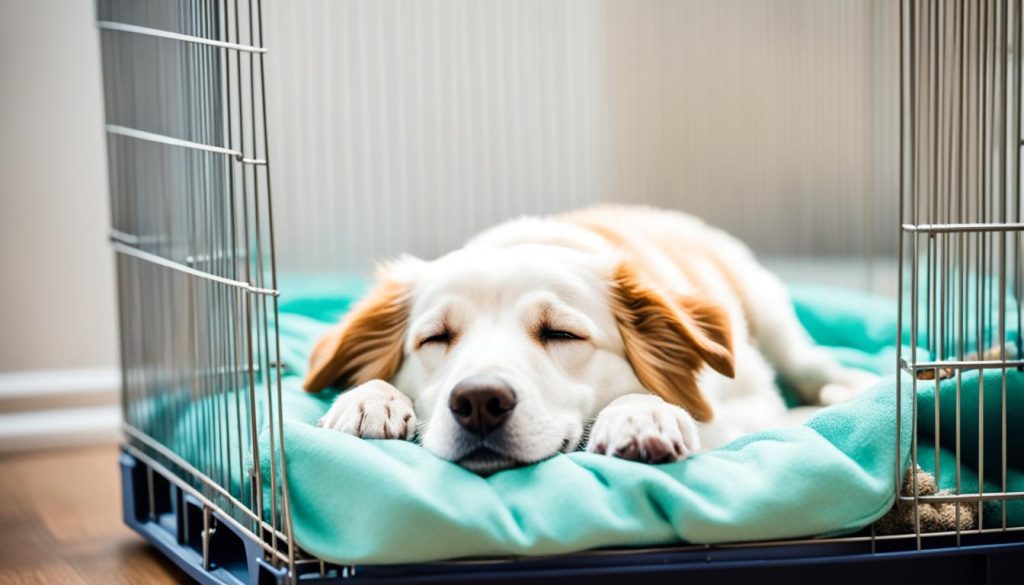
Make the crate a part of your puppy’s day. Feed them in the crate and include it in playtime. Always make being in the crate a happy moment. This way, the crate becomes their own special place.
Crate training needs lots of patience. It can take days or even weeks, depending on your puppy. Never use the crate as a way to punish your dog. Some puppies might cry at first. But with gentle training, they will learn to be okay with it.
If your puppy cries a lot, you might need to start over. Never punish them for crying. Instead, wait for it to stop. Then, give them a treat to show being quiet is good.
Use these hints for a great start in crate training. Stick to a routine together. This will help your puppy feel safe and happy in their personal spot.
Developing a Crate Training Schedule
It’s key to have a good schedule for crate training, both for you and your pup. A steady routine lets your puppy know when crate time is, making training easier. Start crate training your puppy at around eight to ten weeks old. But, remember not to keep them in the crate for over three to four hours when they’re very young.
Crate times are important during different stages of your puppy’s growth. At 12 to 16 weeks, two hours during the day and six at night work well. This changes to three hours in the day and eight at night at four to five months. By six to seven months, bump it to four hours in the day and eight at night. As they grow older, adjust the times accordingly up to over 12 months.
Setting a consistent schedule for your puppy’s day is also crucial. This includes fixed times for crating, eating, and playing. Such a routine helps your puppy get used to their new home and learn good potty habits. Giving rewards, like treats, for going into the crate and sticking to the routine, also makes a big difference.
Many dogs love having a safe spot to rest, and a crate can be that place. Introduce the crate slowly and make it a positive experience. This way, your puppy sees it as a safe and calm space, which helps with all kinds of training and keeps them happy and healthy.
Crate Training at Night
When you start crate training at night, it’s more than just putting your puppy in a crate. Young dogs might not like the idea at first. They could have accidents if the crate makes them nervous. Remember, patience is important. It could take weeks or even months for the puppy to get used to it.
To avoid too many bathroom breaks at night, stop food and water before bedtime. After they drink, give them a potty break to prevent accidents. Also, feed them their last meal a few hours before bed for better night crate training.
Keep puppies active during the day. Safe walks help them use up their energy. Also, having set times to go outside helps them understand when to expect a potty break. This makes it easier for them to hold it at night.
A special toy like a Snuggle Puppy makes puppies feel safe in the crate at night. Using a camera to keep an eye on them is helpful too. Remember, young dogs need a lot of sleep to behave well. Make their crate a cozy space. Think of it as their special room.
Make the crate feel safe and calm at night. Covering it with a blanket tells the puppy it’s bedtime. It’s also important to watch for barking. If they bark because they want to get out, don’t react. This helps teach them to stay quiet in their crate.
Some puppies will need to go outside at night for the first four or five months. Stick to a regular bedtime and bathroom schedule to help them learn. Keeping the crate near you at first helps you meet their needs at night and makes them feel safe.
A crate helps keep puppies out of trouble while you’re asleep. Make the crate inviting with treats and toys. This way, both you and your puppy will have a better time at night.
Handling Whining and Barking in the Crate
It’s key to understand why puppies make noise while in their crate. They might bark to protect their space from what they think are threats. But it’s important to know if they are really in distress or just want attention.
When puppies bark in a worried way, they might be feeling scared or nervous. If you hear a lot of high barks that don’t stop, see if they look anxious. You can help calm your puppy by talking to them softly and staying close to the crate. Using a Furbo camera allows you to see what’s happening and if they really need comfort.
If your puppy barks because they want something, that’s demand barking. They’ve learned that barking gets them attention. To stop this behavior, ignore them when they bark for no reason. Only pay attention to them when they’re quiet. This teaches them to be calm and not rely on barking to get what they want.
For less barking, your puppy needs both body and mind work. They should play and run for at least 30 minutes every day. Including toys in the crate can also help keep them busy. This way, they’re less likely to bark out of boredom.
Placing the crate near you, like in your bedroom, can calm nighttime barking. Many puppies feel safer when they can smell or hear you. Music like reggae and classical can relax them. This works well when you can’t be right with them.
If your puppy needs to go potty, they might get fussy before barking. A puppy of 8 to 10 weeks old usually needs to use the bathroom every three hours. Quietly take them to the spot you want them to go. Keeping a potty log can help make the nights easier.
To train your puppy well, create a nice and quiet space for them in their crate. Address their noise in smart ways and reward good behavior. This approach will not only make your puppy calm but also make your life together more enjoyable.
Quick Recommendation: Our blog is filled with tips and tricks for training your puppy or dog. If you are seeking a comprehensive training program, we recommend K9 Training Institute.
Common Mistakes in Crate Training
Using the crate as a punishment can make things worse. It can cause your pet to fear the crate. Make sure the crate is a positive place, not a spot for punishment. Varying your routine can also be a big mistake. It might confuse your puppy and make learning slower.
Puppies under four months old need to be out every 1-2 hours. Long hours in the crate like over 8 hours can cause problems. Plus, it’s crucial to give them room to move comfortably.
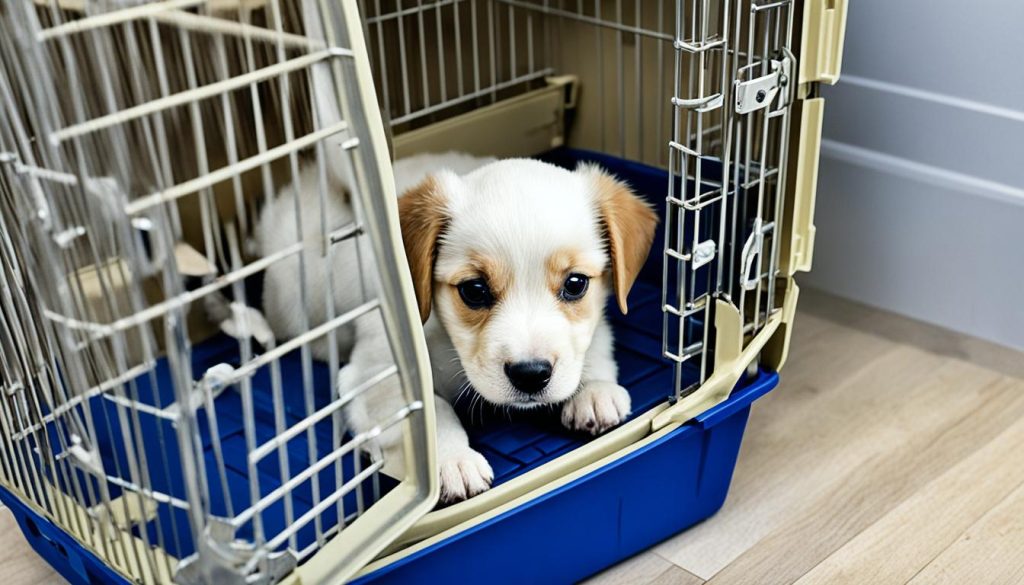
Use positive rewards to train with the crate. Let your dog eat meals in the crate. But, watch them so they don’t overeat. Avoid scaring your dog by hitting the crate or yelling when they bark. These methods can make them anxious.
It’s easy to rush crate training. Start with short times in the crate. Then, slowly make it longer, adding a few minutes at a time every few days. Trying to include the crate in your daily activities helps make it normal for your pet. The real aim is to use the crate well, creating a secure and happy spot for your dog.
Using the Crate for Potty Training
A crate helps with potty training by tapping into a puppy’s instinct not to soil where they sleep. This makes it a key tool for training. Using a crate helps your puppy learn to control their bladder, which cuts down on accidents indoors.
For crate training to work, you need to be consistent. Make sure to take your puppy outside every two hours. At night, taking your puppy out based on their needs can stop them from having accidents.
There’s a proven method called the “House Training Triangle” that works well. It can achieve a success rate of 100% in under two weeks. During the start, small dogs might only have 1-2 hours to roam. Bigger dogs could have a bit longer, around 2-3 hours.
As your puppy gets better, you can let them out for 15 minutes more each day. This helps them get used to more free time and less time in the crate. After two weeks, aim for 5-6 hours of free time and just 30 minutes in their crate. Doing this helps your puppy get better quickly and avoids accidents, making the crate training an important part of your toolbox.
Ensuring Your Puppy’s Comfort in the Crate
Starting with a cozy crate is key for successful training. Choose a crate that’s snug and feels safe. Make sure there’s a soft bed inside for your puppy to chill out on. Think about the temperature too. It may need to be cooler when the weather’s hot.
Add toys and treats to make the crate a fun place to be. This helps your puppy link good things with their crate. It’s a good idea to give meals in the crate to make it feel friendly. Remember, the crate is not for scary “time-outs”.

Set a regular routine for crate time. Begin with short stays and slowly make them longer. This step-by-step method helps your puppy get used to their crate. They’ll see it as a safe spot for napping and chilling out.
Crate training is great for avoiding messes and keeping your stuff safe. It offers a safe spot where your puppy can like their crate. They’ll feel happy and comfy in it, which is what we want.
Crate Training for Older Dogs
Crate training works well for adult dogs too. The right method is key. Older dogs can learn but they might need more time. They might not like crates from past bad experiences.
Be careful with older dogs when retraining. They might need bigger crates if they have joint pain. They could also be more comfortable if they spend nights in their crate. Don’t let them out if they whine, to avoid teaching them bad habits.
Look out for signs your dog is unhappy, like barking a lot or destroying things. This means you might need to change your training. With the right care, about 42% of older dogs will learn to like their crate.
If an older dog has arthritis, a soft bed in the crate can make them feel better. Plus, most older dogs like wire crates. They can see more in them.
Your dog might take up to three months to feel alright in their crate. Only a few dogs are okay right away. But, some dogs may never like the crate, no matter how gentle you are.
About 31% of older dogs do well with clear commands and treats. Also, limit the time they’re crated at night at first. Watch how they cope. Many dogs feel better crated when their owner is around.
Your exit should be calm to help 78% of older dogs relax. Remember, all dogs learn at their own pace. Some learn fast, others slow.
If your older dog toughs it out, consider a pro. Wag! has trainers that come to your home. Your dog’s health insurance might cover training for conditions like separation anxiety. This can make the whole training process easier.
Crate Training Myths Debunked
Crate training has a lot of myths around it. But, knowing the true facts can change our perspective. One big myth is thinking crate training is mean. In truth, it gives dogs a safe space that they like, which is similar to their wild lifestyle. To really help our dogs, we need to use the crate the right way. This makes it a good thing for them, not something scary.
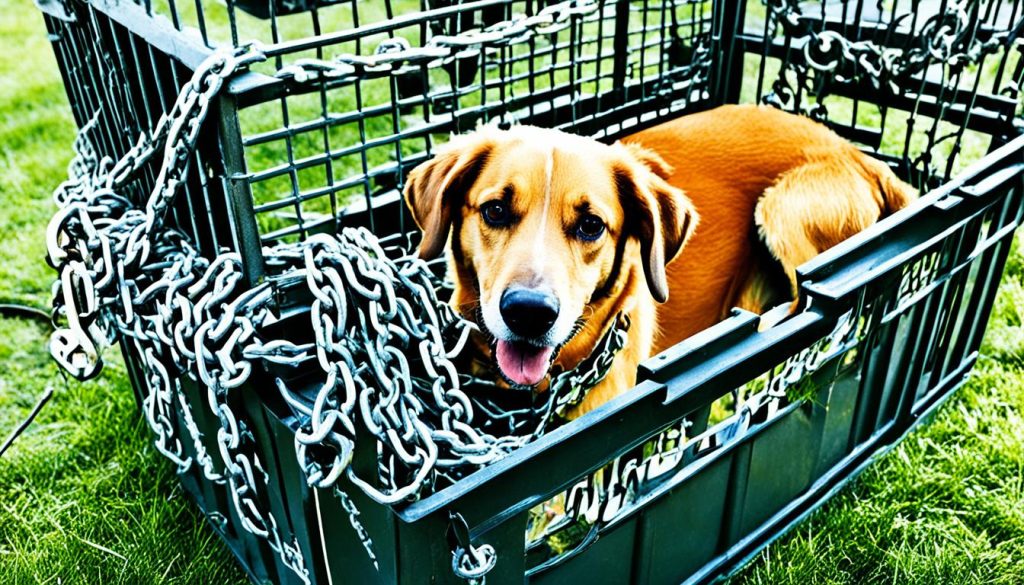
Some think crates stop dogs from getting enough exercise. The key is to limit crate time for adult dogs to four to five hours. After this, dogs should have time for exercise and fun. This keeps them healthy and happy.
Many use crates to fix bad habits in dogs. This can lead people to believe dogs do better when they’re crated all the time. But, this idea is wrong. Dogs need social time and training for a strong bond with their owner. A crate is good for training them when used well, but not as a permanent home.
Crate training is great for teaching young dogs how to behave indoors. It keeps them and our things safe while giving them a calm spot to rest. But, using a crate too much is not good. Dogs shut in a crate all day can get very stressed and act out. So, knowing the facts about crates can make a huge difference in our pets’ lives.
Conclusion
Starting crate training for your dog is more than just about making life easier. It’s a plan that helps improve your dog’s behavior and offers a safe spot when they need it. This method is vital for all dog owners because of the many ways it can help.
Using a crate teaches your dog about being regular, staying patient, and getting rewards when they do good things. Remember, a crate is not a place for your dog to be all day, especially for adult dogs. Puppies need care and attention even more often.
Good crate training really helps your dog feel well and happy. To get the best results, start with the crate slowly. Using fun activities, like the Crate Game, can make your dog like their crate. This makes things easier whether you’re at home, in the car, or away for a bit.
Quick Recommendation: Our blog is filled with tips and tricks for training your puppy or dog. If you are seeking a comprehensive training program, we recommend K9 Training Institute.
BTW: If you are interested in everything from nutritional advice and natural health solutions to stress-relief techniques and overall wellness tips, check out our friends at PawfectlyHealthyPets.com.