

Have you ever wondered if your dog’s age, personality, or if old techniques impact their learning? Now’s the time to explore common myths in dog training.
There’s a lot of false information out there when it comes to training dogs. Susan Garrett, a leading expert, shows us where we can go wrong. Myths range from saying old dogs can’t learn new tricks to the idea of dominance. There’s also the myth that using treats to train is wrong.
Training now focuses on teamwork and having fun while learning, no matter the age. The world’s oldest dog lived to 31! And the oldest dog now learning new things is 18. These stories prove dogs can learn a lot, even as they get older.
This article aims to clear up the confusion around dog training with science. We’ll talk about positive reinforcement, bust dog myths, and show you how to have a well-behaved, happy dog. Let’s get rid of myths and use proven methods for training.
Quick Recommendation: Our blog is filled with tips and tricks for training your puppy or dog. If you are seeking a comprehensive training program, we recommend K9 Training Institute.
Can’t Teach an Old Dog New Tricks
The phrase “you can’t teach an old dog new tricks” is old. It’s a myth that older dogs can’t learn. Senior dogs can learn new behaviors. They have the ability to adapt and learn. Susan Garrett, a famous dog trainer, has seen great success teaching older dogs new things.

It’s key to adjust training for senior dogs. This means focusing on exercises that are easy on their bodies and minds. This approach doesn’t just teach them new stuff. It also keeps their minds sharp for longer.
Teaching an older dog new tricks takes patience. But, it’s worth it. Dogs are more adaptable than we think. They can learn a lot even in their senior years. Use the right methods, and you’ll see how much they can do and enjoy.
Dominance Theory Debunked
The idea of dominance theory has changed how many people train dogs. It suggests that being dominant over your dog is crucial. However, this view has been proven wrong. New methods and studies show that dominating your dog is not the way.
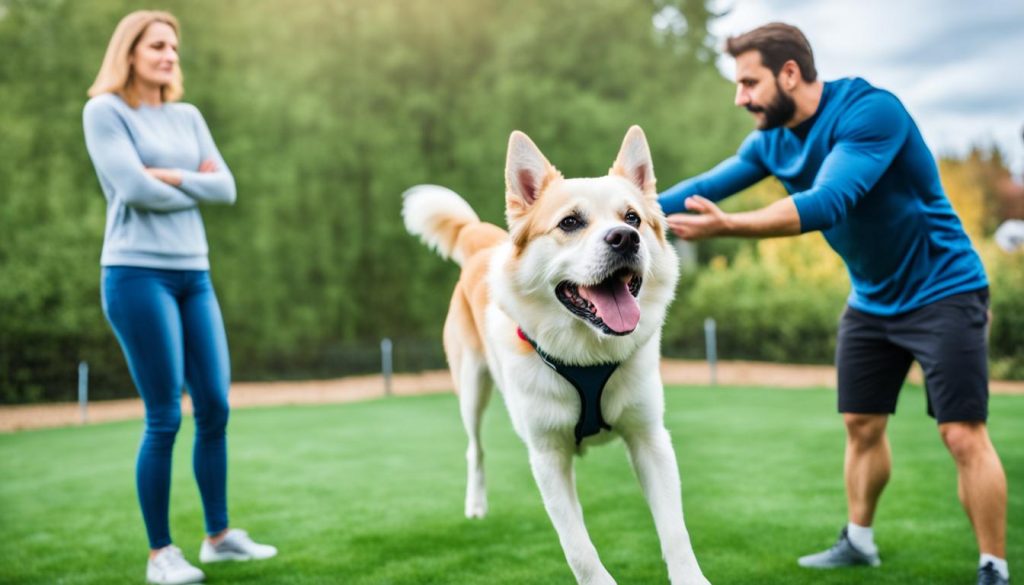
Some harmful advice spreads on social media. It includes actions like flicking a dog’s nose or using squirt bottles. But these methods are both useless and risky. In contrast, training based on trust and positive reinforcement works better. It is safer and more effective for your dog.
Building trust and understanding enhances your connection with your dog. This positive method makes your dog more willing to learn. It also helps you understand your dog better. Modern dog training stresses forming a strong bond with positive activities. It includes short, upbeat training sessions. These are less stressful and more productive for both of you.
Some people have taken cruel actions to show dominance. This includes using their own saliva or urine. But such actions are both harmful and wrong. It’s important to choose methods that are respectful and sound. This will lead to a happy and positive life for your pet.
Treats and Spoiling in Dog Training
Many people think treats spoil a dog or make them too reliant on rewards. This idea is not accurate. Treats can be powerful motivational tools if used the right way. They help build a strong bond between you and your pet. Also, one key principle in dog training shows how to slowly reduce treat rewards.
Positive reinforcement and the value of treats are key to good dog training. This method is very effective. It helps shape the behavior you want and improves your relationship with your dog. By using positive ways to reward your dog, you can teach and strengthen good behaviors.
Recent studies by wildlife experts show that harsh training isn’t needed. Instead, focusing on positive rewards and avoiding punishment is better. These methods make training more effective. They also improve the bond between you and your dog.
Puppies Will Outgrow Bad Behavior
Have you heard that puppies grow out of their naughty ways naturally? This idea is not entirely true, according to dog training expert Susan Garrett. She says if not trained correctly, puppies may keep their bad habits as they get older.
Puppies are like kids; they learn by what happens to them and what they’re taught. If a puppy gets noticed for doing something bad, this can make them keep doing it. It’s important to start teaching good behavior early, through proper training.
Experts say you shouldn’t wait for bad habits to go away on their own. Instead, always be teaching your puppy how to act well. Use fun, short training times. They can be as quick as a minute to begin with.
To keep your puppy from bad choices, add lots of fun activities to their day. Play with them a lot and give them different toys for their minds and bodies. Mix in training time, play, and quiet rests to help them be at their best as they grow up.
Remember, leaving puppies to figure things out on their own doesn’t work. It’s up to us to help them learn good habits. Consistent training and fun activities are essential for a dog to be happy and well-behaved.

Dog Training Myths Debunked: Separating fact from fiction in common dog training beliefs
Good dog training isn’t just about commands; it’s about knowing what’s true and false. Many think all Labradors don’t make you sneeze and love swimming. But, not all Labs are like that. They shed a lot because of their thick fur, and not each one is a water dog.
Some say Labradors always want to run and need a lot of exercise. But, the energy levels of these dogs can be different. Even though Labs are smart and want to do well, they need training. This teaches them how to act right and keeps their minds busy.
Using the right methods to reward dogs is crucial. Not every breed ages the same, as shown by Purdue University. And, older dogs are not too old to learn new things. Trish McMillan taught a 9-year-old Doberman impressive skills in just a few months.
It’s also important to know what’s not true about dogs. For example, dog spit can’t really heal you. It might even carry germs that make your cuts worse. Instead, dogs show how they feel by how they move and act. Paying attention to these signs, like wagging tails, helps you understand your dog better.
In the end, real dog training is based on facts, not ideas that might not be true. Whether it’s a Labrador or a Cane Corso, knowing what makes each dog special is key. This makes training more effective and strengthens the bond between you and your pet.
Rewarding Fearful Behavior
The idea that rewarding fear makes it worse is called the fear reinforcement myth. But, research shows a different side. By using specific techniques, you can help your dog feel less afraid. They can become more confident in scary situations.
A useful technique is to reward your dog in a safe setting. For example, if loud noises scare your dog, start by playing them quietly. Give your dog treats while the noise plays. This way, they learn to not fear the sound as much.
A short dog training podcast, only 14 minutes long, discusses several helpful topics. It talks about what we expect in relationships, how we sometimes expect too much in dog training, and dealing with our own biases. The podcast offers 20 resources. It talks about puppy growth phases, how to beat training hurdles, and balanced training.
The podcast suggests ways to set the stage for your dog’s success. It highlights the power of positive reinforcement over punishment.
Being consistent is key in training your dog. While genetics can play a role, they’re not the only factor. Early socialization and consistent training techniques can greatly reduce your dog’s anxiety. Akitas, known for their loyalty, can get along well with other pets if socialized early.
To train your dog well, you must grasp these fundamental principles. Using positive and desensitization methods, your dog can become brave and obedient.
Socialization: The Secret to Dog Confidence
Puppies need socialization throughout their lives, not just during a specific time. Many think dogs don’t need to meet new things once they’re older. But, introducing your dog to new experiences always is vital for their adaptability and confidence.
Exposing dogs to new sounds, sights, and places can lower their anxiety. This helps them stay calm and deal with stress better. Socialization should start early but keep going as your dog ages.
Early socialization is crucial for a puppy’s start in life. Yet, it should never stop there. Keep introducing your dog to new people, animals, and experiences. This helps them grow and prevents behavior problems.
By making your dog used to new things, they become more flexible and ready for anything.
Make sure to take your dog out to see and explore as they get older. Always remember, socialization is a lifelong journey!
Quick Recommendation: Our blog is filled with tips and tricks for training your puppy or dog. If you are seeking a comprehensive training program, we recommend K9 Training Institute.
The Myth of Stubborn Dogs
Let’s talk about the myth of stubborn dogs. Many people think dogs are stubborn because they don’t listen. In truth, dogs might not understand commands well. They could be reacting to misunderstandings or unclear training.
Creating the right learning environment for dogs is key. Specialists say using rewards, not being forceful, works best. Giving treats for good actions helps your dog cooperate and builds a stronger connection with you.
Games like tug-of-war are actually good for dogs. They’re not about being bossy but teaching control and how to trade. Safety and focusing on learning are key when you play these games.
It’s crucial to know your dog’s signs and create a caring space. This makes the dog seem less stubborn and more in need of clear communication and better training. With patience, you’ll see your dog become keener to learn and cooperate in their training.
The Truth About Tail Wagging
A wagging tail doesn’t always mean a dog is happy. Canine body language is rich with cues. For instance, only 33% of people truly get what a dog’s wagging tail says about its mood.
Tail wagging can actually mean many things. It might show happiness, fear, or even aggression. The speed and height of the wag matter too.
For instance, a slow wag might hide insecurity. Meanwhile, a fast, high wag could signal aggression or excitement. Observing the dog’s whole body and its current situation helps us understand the wagging better.
About 55% of dog owners wrongly think it’s good to punish dogs for accidents by rubbing their noses in it. But this method is old and doesn’t work. A better approach is to pay close attention to what your dog is telling you. This leads to clearer communication and effective training.
Many dogs, around 42%, don’t like being hugged. If your dog seems uncomfortable, watch its body language. It’s important to understand your dog’s subtle signs. This builds trust and comfort between you and your pet.
Learning about tail wagging is key to understanding your dog. It’s just one part of their whole body language. By doing so, you can respond better to your dog. This strengthens your bond and level of communication with your furry friend.
Puppy Training Myths
There’s a bunch of wrong ideas about training dogs. Some say wait until they’re older to start training. But, teaching your puppy good things early builds a solid learning base forever.
Many new owners want to teach their pups where to go potty first. They often use puppy pads but that might not be best. It’s better to have a steady plan, like going outside after waking, playing, learning, or eating.
Getting mad at your dog for accidents is old and doesn’t work. Use praise when they do right. Watch for signs they need to go out, and clean up messes with special products. This stops them from thinking inside is okay to potty.
Puppies learn really quickly. Bigger dogs can wait to go outside longer than smaller ones. It’s easier to teach them in the summer, when everyone loves being out more.
Making early training fun not only helps with potty training but also makes your puppy trust you more. Use love and treats to teach good behavior. Focus on being kind and smart about training to make it easy for your puppy.
The Misconception About Punishment in Training
Training your dog involves a big debate: Is punishment or rewards better? Some think punishment is needed to correct wrong actions. But studies show this way can make dogs more aggressive. For example, 43% of dogs that got hit or kicked showed aggressive behavior. Whereas, only 3% reacted badly with just a verbal correction.
Ethical training is about rewarding your pet for good behavior. This makes your bond stronger. Using positive methods actually works better and creates trust.
Dogs respond well to fun training. They learn commands faster in happy settings. Punishment leads to stress, not learning.
A bit of stress can help make animals alert. Yet, too much fear from punishment is harmful. Tackling behavior problems with patience is key. For issues like aggression, positive methods are better than punishment.
Conclusion
In our dive into dog training myths, we’ve seen that myth-free training is key for both you and your furry friend. Using positive methods not only makes your dog obey; it also makes them happier and healthier. Forget about old ideas like being the ‘boss’ or using punishment. Trust and mutual respect are much better.
Consistency and patience are very important in training. Now, with so many apps and websites, finding help is easier than ever. Keeping up with the latest findings will help you in your training. It ensures you’re using the best methods that are also kind.
Dog training is forever. With your ongoing efforts to encourage good behavior and drop old myths, you’ll deepen your bond with your dog. It will be a fulfilling journey for both of you. Always aim for more knowledge, positivity, and interactive ways to train.
Quick Recommendation: Our blog is filled with tips and tricks for training your puppy or dog. If you are seeking a comprehensive training program, we recommend K9 Training Institute.
BTW: If you are interested in everything from nutritional advice and natural health solutions to stress-relief techniques and overall wellness tips, check out our friends at PawfectlyHealthyPets.com.