

Are you ready to boost your dog’s learning? Innovative dog training techniques are changing the way pet owners train. These methods use your dog’s natural abilities and instincts.
Forget harsh corrections and old-school training. Now, it’s all about positive reinforcement and understanding your dog’s needs. By using these new strategies, you’ll help your pup reach their full potential and grow closer to you.
Prepare to enter a world of modern dog training that will make your pet a better, happier friend. Let’s explore the exciting world of innovative dog training techniques. These methods are changing how we connect with our furry friends.
Quick Recommendation: Our blog is filled with tips and tricks for training your puppy or dog. If you are seeking a comprehensive training program, we recommend K9 Training Institute.
The Evolution of Dog Training: From Traditional to Innovative
Dog training has changed a lot from the old days. Remember when trainers used choke chains or yelled at dogs? Those methods are no longer used. Now, training focuses on understanding what your dog needs and wants.
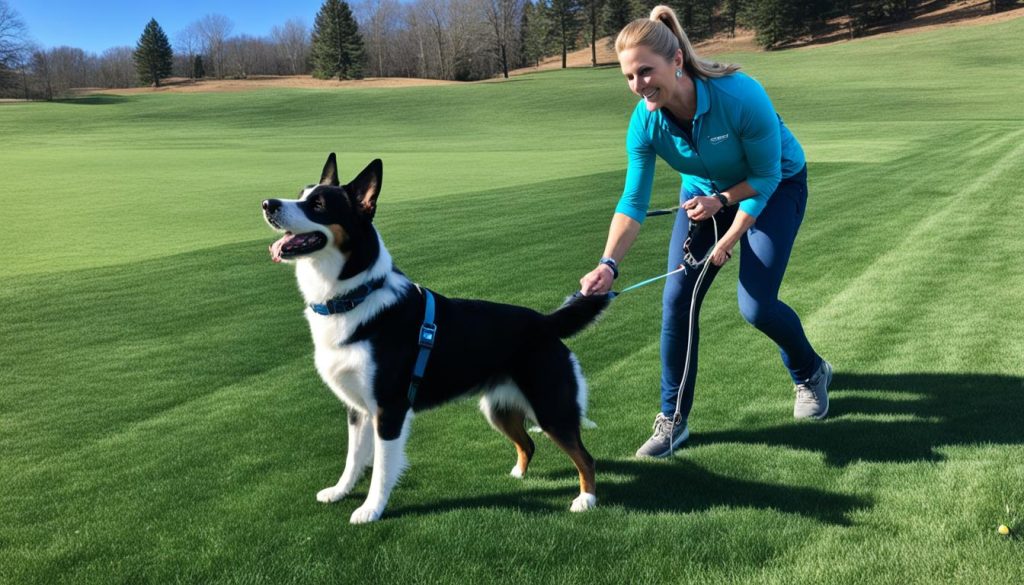
Force-free training is now the standard. Instead of punishing bad behavior, trainers reward good actions. This makes training fun for you and your dog. Your dog will listen because they want to, not out of fear.
Modern training uses your dog’s natural instincts and desires. With treats, toys, and praise, you can guide them to make good choices. This approach strengthens your bond with your dog. It’s about creating a positive learning experience that makes your dog happy to please you.
As we move forward, dog training keeps evolving. New techniques based on animal behavior science are being developed. These methods help dogs learn faster and remember commands better. The aim is to make happy, well-behaved pets through kindness and understanding.
Understanding Canine Psychology: The Foundation of Effective Training
Understanding dog behavior psychology is key to successful training. It helps you connect with your dog on a deeper level. Dogs see the world differently than humans do. Knowing this helps you build a strong bond with your pet.

Science-based training methods focus on how dogs see the world. Dogs use their senses to understand their environment. They notice things like smells, sounds, and sights in ways we don’t.
Positive reinforcement is a great way to use dog behavior psychology in training. Rewarding good behavior makes it more likely to happen again. It’s how dogs learn in the wild. This method makes training feel good and natural for your dog.
Every dog is different. While science gives you a solid base, you need to be flexible. Watch how your dog reacts and change your approach as needed. This flexibility, along with understanding canine psychology, leads to better training and a strong bond with your dog.
Positive Reinforcement: Rewarding Good Behavior for Lasting Results

Positive reinforcement training changes the game in dog training. It rewards your pup for good behavior, linking it to positive actions. By using treats, praise, or toys, you encourage the behaviors you want to see more.
Reward-based training is more than just giving treats. It’s about timing and being consistent. When your dog does something good, reward them right away. This links the action to a positive result. Over time, your dog will likely do these actions more, even without rewards all the time.
This method strengthens the bond between you and your dog. Your pup learns to trust you and likes training, making it more effective. It also boosts your dog’s confidence as they learn new things in a supportive setting.
Patience is key in positive reinforcement training. Every dog learns at their own speed, so celebrate the small wins. With consistent practice and lots of love, you’ll see lasting results that will make you and your dog happier.
Clicker Training: Precision Communication with Your Dog
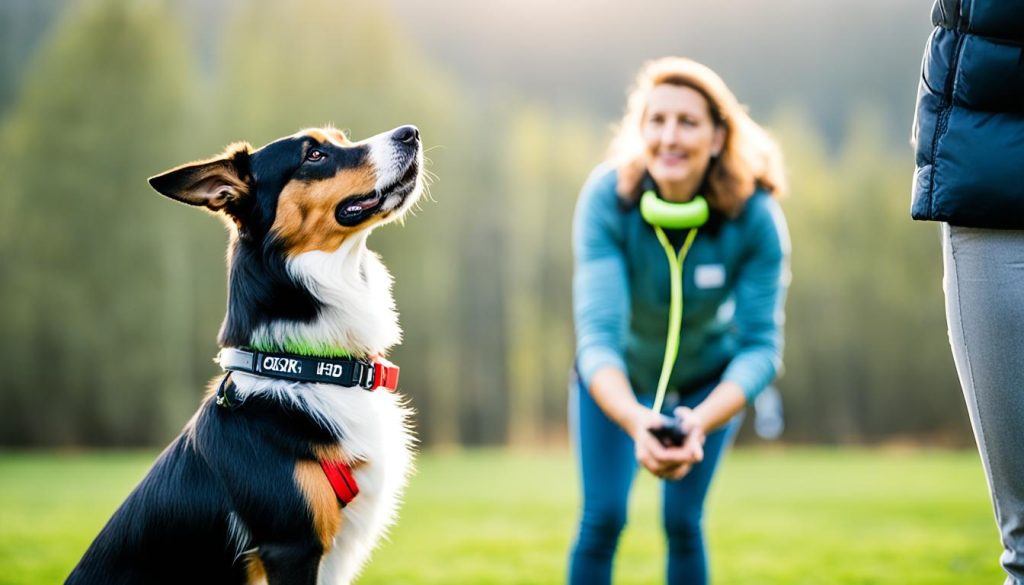
Clicker training is a top choice for teaching dogs. It uses a small device that makes a distinct sound to mark good behavior. When your dog hears the click, they know they’ve done something right.
This method is all about precision. You can exactly pinpoint when your dog does something good. This makes learning faster and strengthens your bond with your dog.
To begin, pair the click with treats. Click, then give a treat right away. Do this a few times. Soon, your dog will link the click with a reward.
After that, you can use the clicker to teach new behaviors. Clicker training is great for teaching simple commands and complex tricks. It’s flexible and works with dogs of all ages and breeds. Many trainers say dogs trained with clickers are more confident and love to learn.
Adding clicker training to your routine means using a positive, effective way to communicate. It makes training better and strengthens your bond with your dog.
Important Tip: Training your dog is just the beginning. Keep them safe an healthy with Pin Paws Pet Care. Our blog provides the training advice, and Pin Paws offers the protection your pet deserves.
Force-Free Training: Gentle Methods for Confident Canines
Force-free training is changing dog education. It uses positive reinforcement and gentle guidance, avoiding harsh corrections. By rewarding your dog, you build a strong bond and teach good behavior.
Progressive dog training focuses on your dog’s feelings. It uses treats, praise, and play to motivate your pup. This makes learning fun and safe for your dog to explore and try new things.
Choosing force-free training sets your dog up for success. It helps shy or anxious dogs become more confident. They learn that trying new behaviors gets rewards, not punishment. This leads to faster learning and better results.
Force-free training is not only kinder but also smarter. It uses your dog’s desire to please you. By rewarding good behavior, you guide your dog to success. This approach strengthens your bond with your dog.
Science-Based Training: Applying Research to Real-World Scenarios
Science-based training has changed how we teach dogs. Now, trainers use research to make better strategies for teaching dogs. These methods focus on how dogs think and learn.
Studies show that positive reinforcement works better than punishment. This has led to training methods that reward good behavior. It helps build a strong bond between dogs and their owners. These methods rely on consistency, timing, and clear communication for lasting changes.
Research on dog cognition helps us understand how dogs learn. Trainers use this knowledge to make exercises fit each dog’s style and ability. By knowing the science of dog behavior, you can make training more effective and quicker.
Science-based training works well in many situations, from basic obedience to complex behavior changes. It’s a kind and efficient way to make dogs better companions. It improves their life and strengthens the bond with humans.
Quick Recommendation: Our blog is filled with tips and tricks for training your puppy or dog. If you are seeking a comprehensive training program, we recommend K9 Training Institute.
Progressive Training Methods: Adapting to Individual Dog Needs
Every dog is special, with its own personality and learning style. Modern dog training focuses on this uniqueness. It moves away from the old one-size-fits-all approach. Instead, it tailors training to each dog’s specific needs.
With progressive dog training, you’ll pay close attention to your pet’s behavior. This helps you see their strengths, weaknesses, and what they like. Some dogs like praise, while others prefer treats or playtime as rewards. Knowing this lets you make a training plan that works best for your dog.
Modern dog education also looks at breed, age, and past experiences. A Border Collie needs different training than a Bulldog. An older dog with a tough past needs a special approach than a young puppy. By changing your methods, you make training fun and effective for your dog.
Technology in Dog Training: Apps, Devices, and Virtual Resources
In today’s world, dog training has gone high-tech. Now, it includes apps, smart devices, and online tools. These tools make training easier and more fun for you and your dog.
Dog training apps provide step-by-step guides and track progress. They even offer virtual coaching sessions. Some apps use sounds and rewards to help your dog learn good behavior. This turns everyday moments into learning chances for your pup.
Smart collars and GPS trackers are changing dog training. They track your dog’s activity, location, and health. By knowing your dog’s habits, you can train them better. Virtual reality is also being used in training. It lets dogs safely explore different places and situations.
Online courses and webinars make expert training advice easy to get. You can learn new training methods from top trainers at home. These resources include videos, exercises, and forums for sharing with other dog owners.
Quick Recommendation: Our blog is filled with tips and tricks for training your puppy or dog. If you are seeking a comprehensive training program, we recommend K9 Training Institute.
BTW: If you are interested in everything from nutritional advice and natural health solutions to stress-relief techniques and overall wellness tips, check out our friends at PawfectlyHealthyPets.com.