
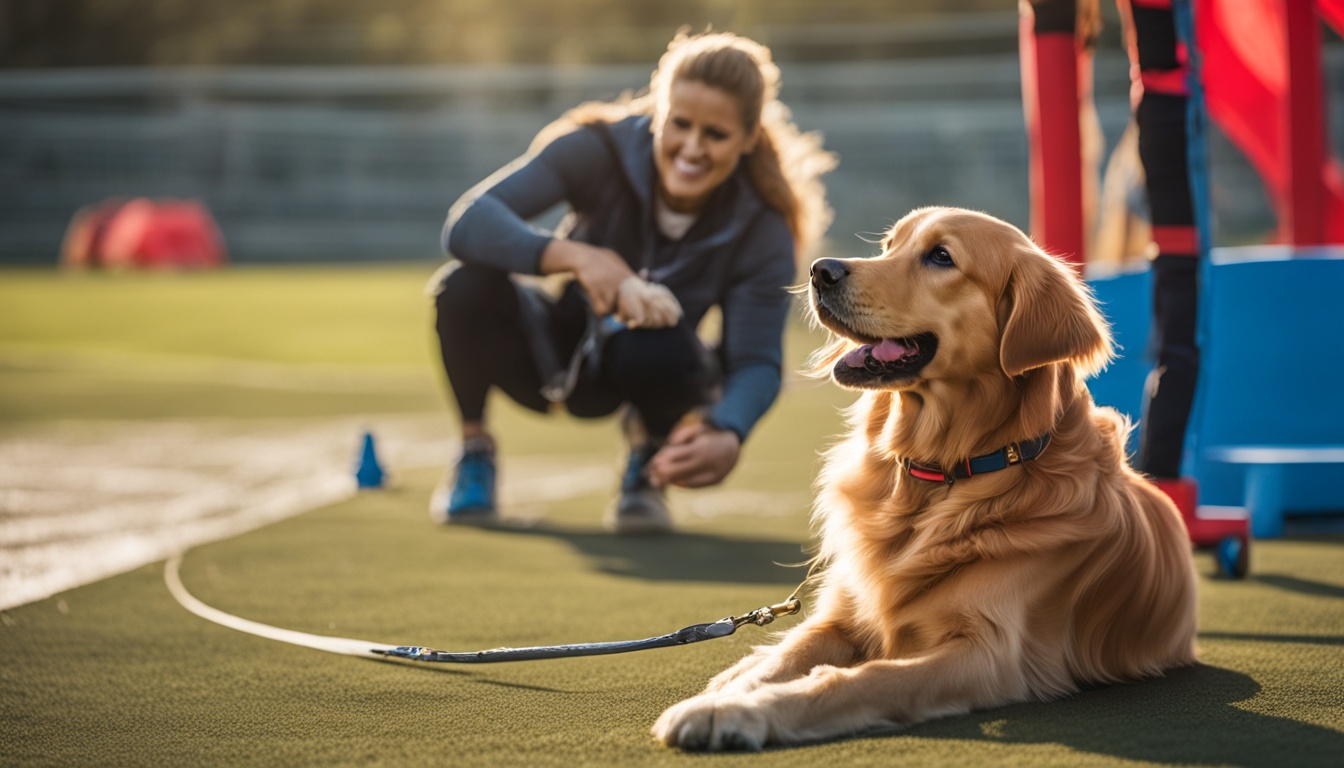
Training your furry friend can be fun and rewarding. Using positive reinforcement, you can build a strong bond and teach new skills. Reward-based training is a key tool for quick and eager learning.
When you give treats, praise, or toys for good behavior, your dog links their actions to positive results. This makes them want to do those actions again. With the right approach, your dog will be excited to learn and happy to please you.
Let’s look at how to use rewards well in your training. You’ll learn the best ways to motivate your dog and make learning fun for both of you.
Quick Recommendation: Our blog is filled with tips and tricks for training your puppy or dog. If you are seeking a comprehensive training program, we recommend K9 Training Institute.
Understanding the Importance of Rewards in Dog Training
Rewards are key in dog training. Using dog treats makes learning fun for your pet. It turns training into a game they want to play.
Positive reinforcement uses rewards to shape behavior. When you give treats for good actions, your dog links the action with a positive feeling. This makes them want to do it again for more treats.
The science is simple but powerful. Rewards make dogs feel good, releasing happy chemicals in their brains. This motivates them to learn and obey. Unlike punishment, positive reinforcement builds trust and strengthens your bond.
Reward-based training is more effective. It helps dogs learn and remember faster. With treats and praise, training becomes a positive experience for both of you.
Choosing the Right Treats for Your Dog
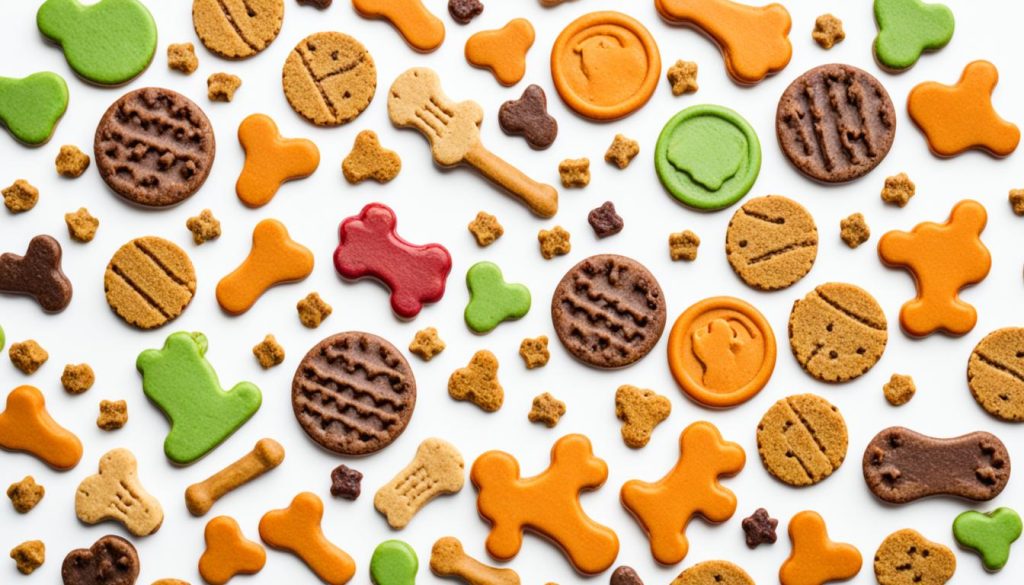
Choosing the right dog treats is crucial for successful reward-based training. Think about your dog’s size and what they like. Small, soft treats are best for most dogs, making them easy to eat during training.
Look for treats with high-quality ingredients and skip those with artificial additives. This ensures your dog gets the best nutrition.
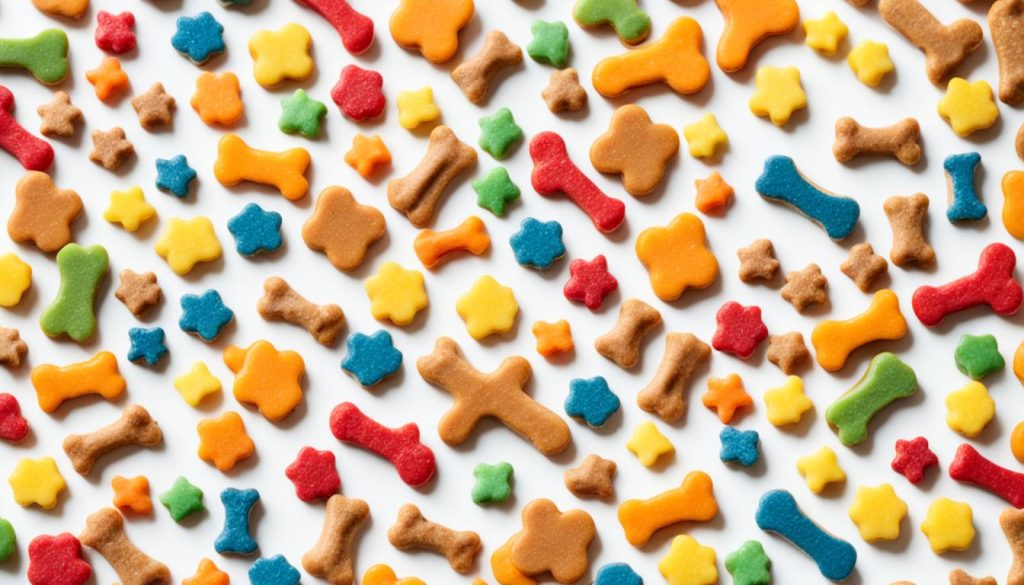
It’s important to consider the nutritional value of treats. Choose low-calorie options to avoid weight gain from frequent training. Healthy choices include small pieces of cooked chicken, freeze-dried liver, or special training treats.
The treat should be tempting enough to motivate your dog but not too big. This prevents it from becoming a distraction during training.
If your dog has dietary restrictions or isn’t food motivated, try other rewards. Toys, praise, or short play sessions can work just as well as treats. The goal is to find what your dog values most. Try different options to see what motivates your dog best for training.
Timing is Everything: When to Reward Your Dog
Learning when to reward your dog is key to success in obedience training. Rewarding your dog at the right time helps them learn faster. This is a main idea in positive reinforcement training.
Always reward your dog right after they do what you want. This quick reward helps them link the reward to the action. For instance, give a treat when they sit down.
For beginners, timing can be hard. If you wait too long, your dog might do something else before getting the reward. This can confuse them and slow down their learning.
To get better at timing, try using a marker like a clicker or a special word. This signal shows exactly when your dog does something right. You then give them a reward right away. With more practice, you’ll get the hang of it, making your training more effective.
The Power of Verbal Praise and Physical Affection
Positive reinforcement training isn’t just about treats. Verbal praise and physical affection are key in reward-based training. Your dog loves your approval, making your words and touch powerful for shaping behavior.
When your furry friend does something right, praise them a lot. Use a happy tone and say things like “Good boy!” or “Well done!” This makes your dog link the good behavior with your happiness. Always change up your praise words to keep your pup interested and happy.
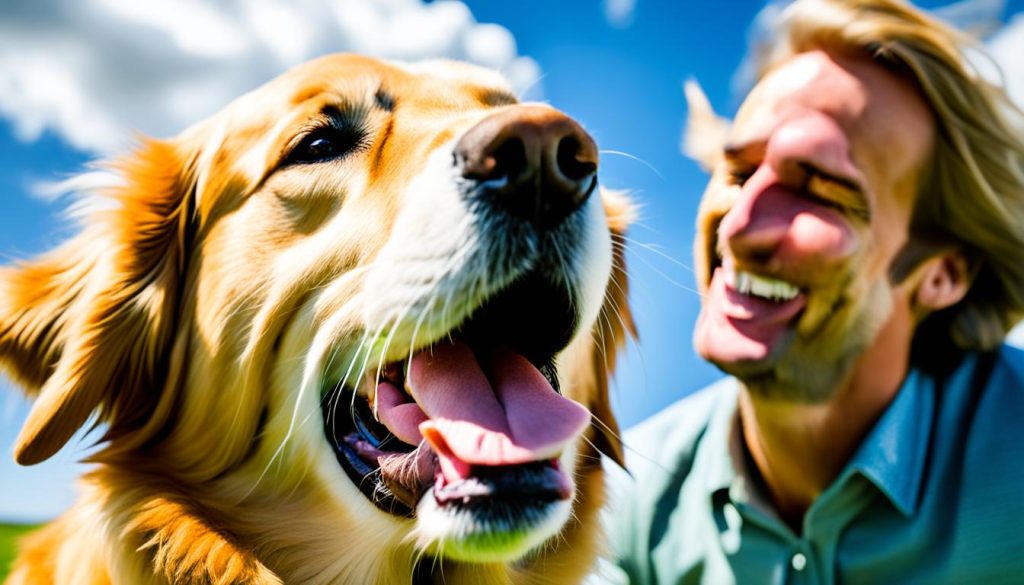
Physical affection is also important in reward-based training. A gentle pat, a scratch behind the ears, or a quick belly rub can be as rewarding as a treat. Some dogs like physical attention more than food rewards. Notice what your dog likes most and use it in training.
To get the best results, mix verbal praise, physical affection, and treats. This approach builds a strong bond with your dog and reinforces good behavior. As your dog gets better, you can use less food rewards and more praise and affection to keep up the good habits.
Treat Them Right: The Art of Rewarding Your Dog During Training
Learning how to reward your dog during training is crucial for success. You should adjust the rewards based on how well your dog does. For simple tasks, a small treat or a quick pat is enough. But for harder commands, give out the best treats or more playtime.
Make a reward system to keep your dog interested. Use low-value treats for simple actions and save the best rewards for harder tasks. This keeps your dog motivated and focused during training.
Don’t overdo it with the rewards to avoid boredom. Mix up what you give out, using treats, toys, and praise. This keeps your dog curious and excited about what’s next. Remember, rewarding your dog is not just about giving treats. It’s about making training a positive and fun experience.
Keep training sessions short and enjoyable. End with an easy command and a big reward. This makes your dog look forward to the next session and shows them learning is fun. By using these methods, you’ll improve your training and grow closer to your dog.
Quick Recommendation: Our blog is filled with tips and tricks for training your puppy or dog. If you are seeking a comprehensive training program, we recommend K9 Training Institute.
Clicker Training: A Precise Reward System
Clicker training is a method that uses a small device to make a clicking sound. This sound marks the exact moment your dog does what you want. It’s a way to teach new skills by rewarding the right actions.
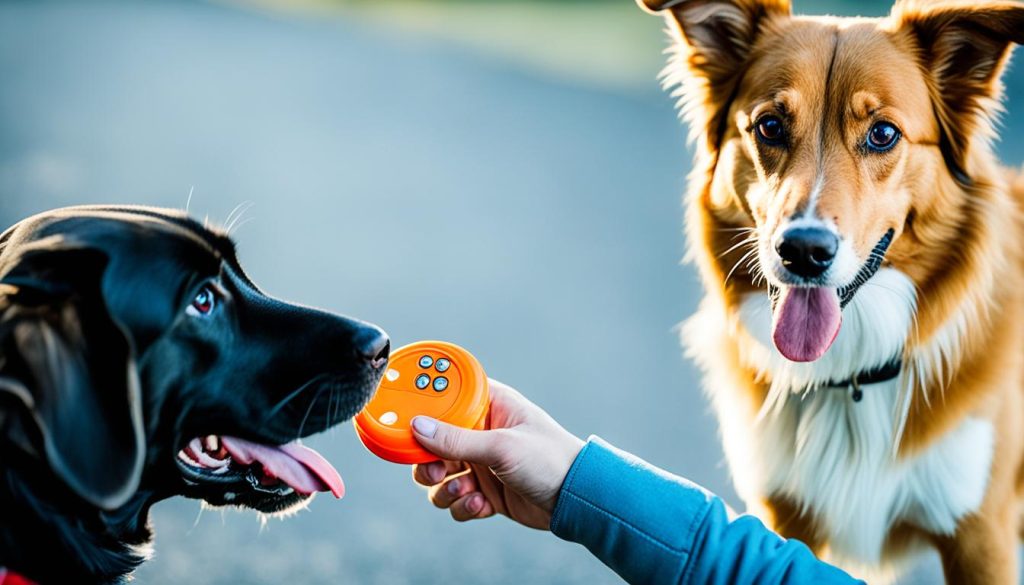
To begin, pair the click sound with a treat. Click and then give your dog a treat right away. Do this many times so your dog learns the click means a reward.
Once your dog knows the click means a treat, use the clicker to teach new behaviors. When your dog does what you want, click and give a treat. It’s important to click right when they do the action, not before or after.
Clicker training can teach many behaviors, from simple commands to complex tricks. As your dog learns, you can give fewer treats but keep using the click. This teaches your dog to work for praise and the joy of doing what you ask.
Gradual Reduction of Rewards: Moving Towards Intrinsic Motivation
As your dog gets better at obedience training, it’s time to move away from constant rewards. Reward-based training works well, but the aim is to make your dog listen even without treats. Start by using variable reinforcement schedules. This means rewarding your dog sometimes, not every time they do something right.
Start by rewarding your dog for every other command they do right, then every third, and so on. This keeps your dog interested and excited about getting a treat. As you give out fewer treats, praise your dog more and show them love. For many dogs, these rewards can be just as motivating.
To make your dog more motivated from within, add obedience commands to everyday activities. Ask your dog to sit before meals or lie down before a walk. This teaches them that good behavior leads to good things, not just treats. Remember, changing how you reward your dog should be done slowly. If they start doing worse, go back to giving more rewards for a bit before trying again.
With patience and consistency, your dog will start to listen to commands even without treats. This is what obedience training aims for – a dog that listens because they want to, not just for food.
Important Tip: Training your dog is just the beginning. Keep them safe an healthy with Pin Paws Pet Care. Our blog provides the training advice, and Pin Paws offers the protection your pet deserves.
Common Mistakes to Avoid When Rewarding Your Dog
Positive reinforcement training is a great way to teach your dog. But, it’s easy to make mistakes. One big error is giving your dog too many treats. This can make them gain weight and lead to health problems.
Instead, use small, low-calorie treats or cut larger ones into tiny bits. This way, you can reward your dog without making them overweight.
Another mistake is being inconsistent with rewards. If you don’t reward your dog every time they do something right, they might get confused. Make sure to reward them every time they do what you ask, but start giving fewer treats as they learn more.
Don’t use rewards as a way to bribe your dog. Showing them a treat before they do something can make them only do it for the reward. Instead, give the command first, then give them a treat after they do it.
Timing is very important when rewarding your dog. Waiting too long to give them a treat can confuse them. Always give the treat right after they do what you asked. This helps them understand what they’re being rewarded for.
By avoiding these mistakes, you’ll make training your dog more effective and fun for both of you.
Advanced Reward Techniques for Obedience Training
As you move forward in obedience training, it’s time to get better at rewarding your dog. The way you reward your dog changes as you teach more complex behaviors. Chaining is a good method that links several actions together. You give a treat only after your dog does everything in the sequence.
Start with a few steps and then add more as your dog gets better. This makes training fun and rewarding for your dog.
Using life rewards can make obedience training more exciting. Instead of treats, use things your dog enjoys as rewards. If your dog loves going for walks, make them sit before you clip on the leash. This teaches them good behavior and makes training a part of everyday life.
The Premack Principle is another great way to train your dog. It uses a behavior your dog likes to teach a new behavior. For example, make your dog sit before they can say hello to another dog. This helps them control their impulses and strengthens your bond.
Remember, being consistent is important with these advanced techniques. With patience and practice, you’ll see great results in your dog’s training.
Integrating Rewards into Daily Life and Routines
Reward-based training is not just for formal sessions. You can add it to your dog’s everyday life. Use daily activities to reward good behavior. For example, give praise or treats when your pup sits calmly before meals or walks.
Being consistent is crucial in reward-based training. Get your family involved too. Teach them the cues and rewards you use. This ensures your dog gets the same positive message from everyone, helping to reinforce desired behaviors.
Rewards aren’t always about treats. Games of fetch, extra cuddles, or a favorite toy can also be great rewards. Varying your rewards keeps your dog interested. This turns everyday moments into learning experiences your dog will enjoy.
By making positive reinforcement a daily part of your routine, you’ll have a happier, better-behaved dog. It strengthens your bond and makes training fun. Stick with it, and you’ll see great results soon!
Quick Recommendation: Our blog is filled with tips and tricks for training your puppy or dog. If you are seeking a comprehensive training program, we recommend K9 Training Institute.
BTW: If you are interested in everything from nutritional advice and natural health solutions to stress-relief techniques and overall wellness tips, check out our friends at PawfectlyHealthyPets.com.