

Have you ever thought about if your aging dog needs special training to stay fit and healthy?
Your loyal companion has been with you for years, giving you endless love and loyalty. Now, as they get older, it’s time to give them the extra care they deserve. Training for senior dogs is not just about exercise. It’s also about keeping their minds sharp and meeting their changing needs.
Smaller dogs become seniors between 7-9 years old, while bigger dogs may be seniors around 5-7 years old. Knowing this helps us tailor their training to what they need, ensuring they stay happy and healthy.
Being overweight can make dogs more prone to diseases, pain, and can shorten their lives. On the other hand, fit dogs can live up to two years longer than those who are overweight. So, regular exercise is key. For older dogs, breaking a 30-40 minute walk into two shorter walks can help keep their muscles and joints flexible and healthy.
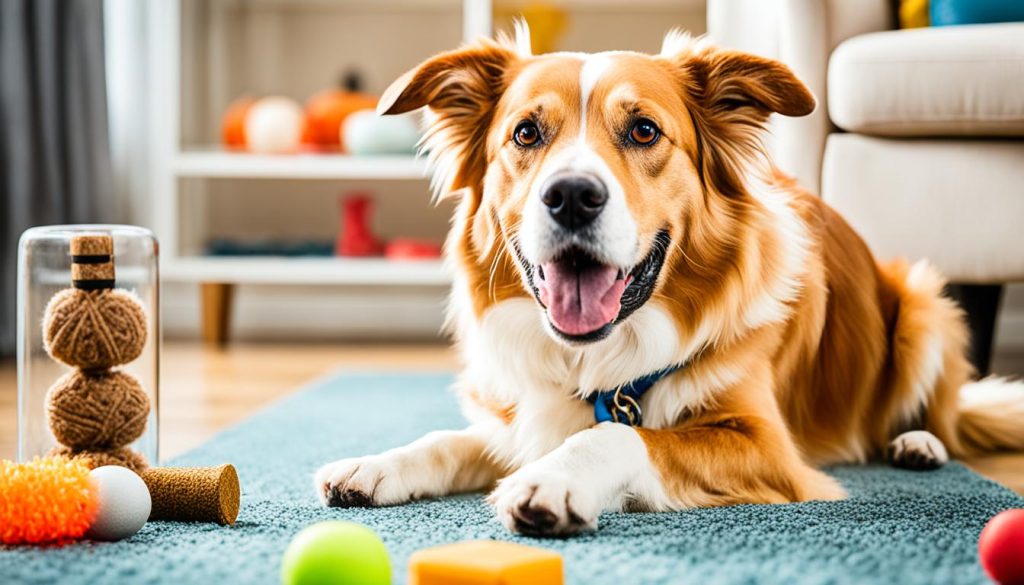
It’s important to keep older dogs’ minds active to prevent them from getting mentally slow. Activities like puzzle feeders or playing games can help keep their minds sharp.
As dogs get older, they may face health issues like vision or hearing loss, osteoarthritis, urinary incontinence, kidney disease, and cancer. Luckily, MedVet rehabilitation services offer special care for senior dogs. This includes water treadmills, hot and cold therapy, laser therapy, ultrasound, therapeutic massage, and acupuncture.
Ensuring a good quality of life for your aging dog means understanding their unique needs. This includes regular vet check-ups and activities that are good for their body and mind. Senior dog training is a way to take care of your pet in their golden years.
Quick Recommendation: Our blog is filled with tips and tricks for training your puppy or dog. If you are seeking a comprehensive training program, we recommend K9 Training Institute.
Understanding When Your Dog Becomes a Senior
Knowing when your dog is getting older is key to giving them the care they need. Small dogs, under 20 lbs, start aging between 7 to 10 years old. Medium dogs, 21 to 50 lbs, become seniors around 7 years old. Large and giant breeds, like Great Danes, are seniors by 5 to 6 years old.
As dogs get older, you’ll see signs like grey fur and weight gain. Weight gain can lead to arthritis, diabetes, and heart disease. It’s important to watch their diet and exercise.
Dental problems, like periodontal disease, are common in seniors. These can turn into bigger issues if ignored.
Senior pets need more vet visits, twice a year. Regular check-ups help catch problems early and keep them healthy. Feeding them separately from younger dogs also meets their unique nutritional needs.
Senior dogs need changes in their care routine. Knowing when they become seniors helps you adapt their lifestyle. This way, they can stay happy and healthy in their golden years.
Importance of Regular Veterinary Check-Ups for Aging Dogs
As your dog gets older, regular vet visits are key to keeping them healthy. Senior check-ups help spot diseases early, like heart, kidney, and cancer issues. Vets suggest check-ups every six months to keep an eye on your dog’s health, update shots, and run tests.
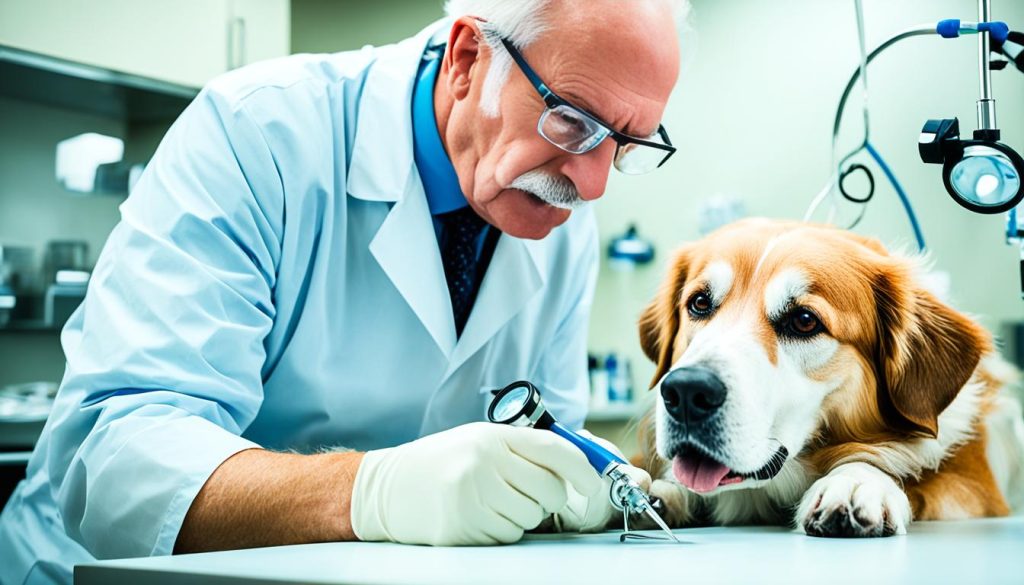
Your vet will do a full physical check-up and might suggest blood tests and urinalyses. These tests help understand your dog’s health better. Catching problems early can make treatment more successful and improve your pet’s life quality. They might also suggest special diets or supplements for your dog.
Don’t forget about dental care. Regular dental check-ups can stop painful dental diseases and boost overall health. Staying on top of vet care means catching any changes in your senior dog’s behavior or health quickly. This way, you can make any needed changes to keep them happy and healthy.
Senior Dog Care
As dogs get older, they need special care. Dogs over seven years old are seniors and have different health needs. It’s important to take them to the vet at least once a year. They should go twice a year if they can.
Tests like blood and urine checks are key to catching diseases early. Vaccines are also crucial for senior pet health. Most dogs need shots every three years, but some need them more often.
Keep an eye on how much water your dog drinks. Dogs should drink less than 100 ml/kg/day. If they drink more or lose weight, see a vet.
Watch your senior dog’s weight closely. Small breeds become seniors at 11 years, while big breeds like Labradors are seniors at 7 years. Giant breeds like Great Danes are seniors at 5 years.
They need special diets to manage health issues like kidney or liver disease. Senior dogs eat less, so they need balanced food.
Special care for senior dogs also means keeping a routine. Feed them at the same time every day and take them for walks. Toys and walks keep their minds sharp.
Orthopedic beds and supplements like chondroitin help with joint pain. Regular grooming stops mats and infections. Brush their teeth every day and take them to the dentist.
Some dogs get eye problems, so watch for vision changes. Swimming or hydrotherapy helps dogs with arthritis.
Working with your vet and following these tips can make your senior dog happier and healthier.
Quick Recommendation: Training your dog is just the beginning. Keep them safe an healthy with Pin Paws Pet Care. Our blog provides the training advice, and Pin Paws offers the protection your pet deserves.
Nutritional Needs of Senior Dogs
As dogs get older, their diets need to change. They move slower and don’t burn calories as much. Giving them a balanced diet helps prevent weight gain and health problems. It’s important to check their weight often and know what they eat.
Smaller dogs age faster than bigger ones. Little dogs live longer, up to 15 to 20 years. Bigger dogs live about 12 to 15 years. When they’re seniors, they need fewer calories and more fiber to stay healthy.
Older dogs don’t need as much energy because they move less. Special dog food for seniors helps with their health. These foods have good protein to keep them at a healthy weight and support their muscles. They also have glucosamine and chondroitin for their joints.
Managing weight is crucial for older dogs with joint or health issues. Dogs with heart problems need low-calorie food. Diabetic dogs need foods that are low in fat but high in fiber.
Keeping older dogs hydrated is important. They might need more water to stay healthy. Using home-cooked meals and flavor boosters can help them eat better. Their taste and smell may not be as strong as before.
Vets often suggest special diets for older dogs to help with weight and health. Tailoring their diet to their health needs can make them happier and healthier. Always get advice from a vet for the best diet plan for your senior dog.
Exercise for Seniors: Adjusting Activity Levels
Senior dogs need exercise, but it’s important to adjust their routines for their age and health. Activities like gentle walks and swimming are great for them. These exercises keep their muscles and joints flexible without straining their aging bodies.
Swimming is a top choice for senior dogs. It works out their whole body. It strengthens muscles and joints gently, which is great for dogs recovering from surgery or dealing with arthritis.
Exercises you can do at home, like caveletis and sit-to-stands, are easy yet effective. They strengthen muscles and help prevent issues like incontinence. Adding short play sessions and mental challenges keeps your senior dog happy and engaged.
Remember to consider your dog’s limits when planning their exercise routine. Short, gentle walks of 30 to 60 minutes a day are best. These walks help keep their muscles toned and provide a steady daily routine.
Talking to a vet is key to creating the right exercise plan for your senior dog. This ensures all activities are safe and good for them. Exercises like these can greatly improve your senior dog’s life quality.
Managing Mobility Issues in Older Dogs
As your furry friend gets older, it’s key to help them stay mobile. About 25% of older dogs struggle with moving around because of arthritis or weak muscles.
Home changes can really help senior dogs move easier. Things like ramps and raised bowls can make a big difference. Around 20% of older dogs use ramps to get around better. The PetSafe ramp and the Travel Lite folding ramp from Pet Gear are good choices.
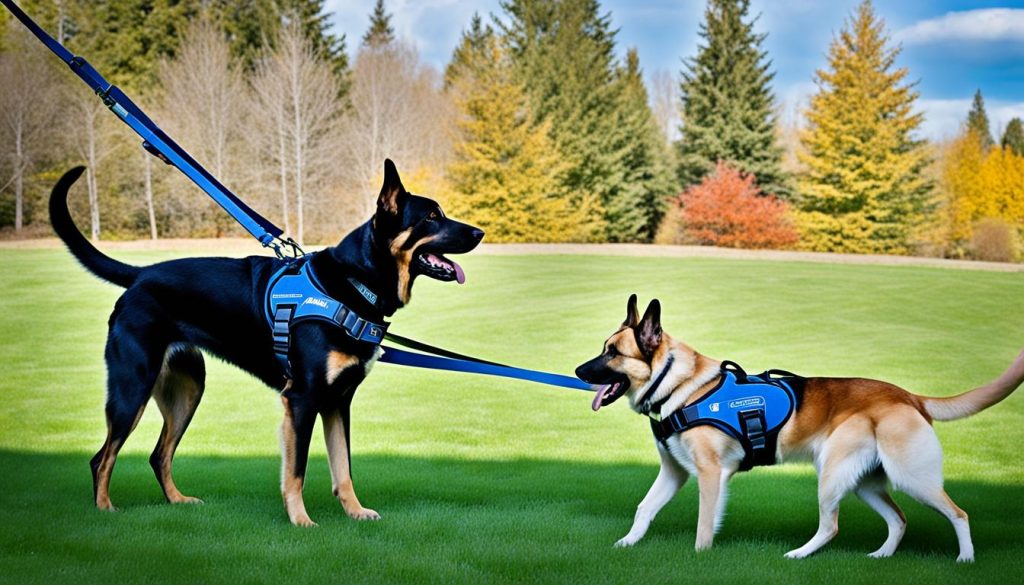
Adding non-slip rugs and orthopedic beds also helps. These beds are made for senior dogs and help with joint pain. This is important for managing arthritis.
Tools like Woodrow Wear Power Paws and Pawz Dog Booties add stability. Dr. Buzby’s ToeGrips are also great for seniors. They help 15% of older dogs stay steady. These grips can last a few months and work really well.
Supplements and Omega-3 fish oil can also help with arthritis. About 30% of senior dogs use these supplements. Plus, things like acupuncture and laser therapy are becoming more popular for pain relief.
Keeping a regular routine is important for older dogs. Raising their food and water bowls helps dogs with back or neck pain. Also, securing their beds to the floor keeps them from slipping.
Vets often suggest physical therapy for older dogs. About 10% of them go to therapy to keep up their strength and mobility. For dogs with big mobility problems, doggie wheelchairs can be a big help during walks.
It’s important to balance exercise with rest and meet their needs. This helps your senior dog live a better life. The aim is to lessen fear, stress, and anxiety, so they can enjoy their golden years fully.
Cognitive Training for Aging Dogs
As your dog gets older, keeping their mind active is as important as keeping them fit. Mental health is key to a good life for your senior dog. Activities like learning new tricks, playing with interactive toys, or solving puzzles can really help them.
Activities that include meeting new dogs and changing their walking paths can keep their minds sharp. Canine Cognitive Dysfunction Syndrome (CDS) is like Alzheimer’s in humans and can hit older dogs. But, activities like nose work can really help. Regular problem-solving games slow down their mental decline and keep them happy and interested.
Talking to your vet is important for keeping your dog’s mind sharp. They can suggest a diet full of antioxidants like blueberries and spinach, and activities that keep their mind busy. A balanced diet and regular exercise are crucial for their brain health. Training them new tricks might take time, but it’s worth it for their mental and emotional well-being.
Groups like The Grey Muzzle Organization stress the need for brain health in older dogs. Having a regular routine and doing activities made for older dogs can make them feel more secure and happy. It also helps you notice any changes in their behavior or anxiety. Proper mental training boosts their memory and makes their life better, leading to a happier, healthier older dog.
Quick Recommendation: Our blog is filled with tips and tricks for training your puppy or dog. If you are seeking a comprehensive training program, we recommend K9 Training Institute.
Behavioral Changes in Senior Dogs
As dogs get older, they often show big changes in behavior. One big change is feeling more anxious. This can be due to conditions like canine cognitive dysfunction (CCD), which is like dementia in people. It’s important for dog owners to know about these changes.
Senior dogs may also talk more and sleep differently. This could be because they’re anxious, not hearing well, or their nervous system is changing. They might sleep a lot during the day and be awake at night.
It’s important to understand that older dogs can get sick with things like arthritis, hormonal issues, or heart and kidney problems. These can make them feel anxious or aggressive because they’re in pain. Taking them to the vet twice a year can help catch and treat these problems early.
Changing your home and keeping a routine can really help senior dogs. Adding things like non-slip mats or ramps can make it easier for them to move around. Keeping their routine the same can also help reduce their anxiety and confusion.
Early action is key to helping senior dogs. If you notice they’re making more noise, acting differently, or having accidents in the house, get them checked out. Knowing about these changes can make sure your older dog stays happy and comfortable.
Environmental Adjustments for Comfort
Making your home welcoming for your senior pet is key to their happiness. Focusing on changes that meet their needs is a great way to do this. Since November is Senior Pet Month, it’s a perfect time to make these changes and focus on their comfort.
Older pets often have chronic conditions like arthritis. So, comfy bedding is a must. Adding extra blankets or heating pads can make a big difference in their comfort. Also, keeping the house at a moderate temperature is important for them.
Senior pets may have trouble moving around. Ramps can help them get in and out of the car or onto furniture. Non-slip rugs or mats can also make walking around the house safer, reducing the risk of falls.
Pets with vision or hearing loss need a familiar home layout to move around easily. Night lights can help guide them at night. Elevated bowls for water and food can also ease the strain on their neck and joints during meals.
Regular health checks are crucial for senior pets. Taking them for semiannual wellness exams helps catch and manage any health issues early. This keeps them living a good life.
Managing Common Health Issues: Arthritis, Diabetes, and More
Senior dogs often face health issues like arthritis, diabetes, kidney disease, and vision loss. These problems can be managed with the right care. It’s key to have regular vet check-ups to catch these conditions early.
Arthritis is a common issue, causing pain and stiffness in joints. Look for signs like trouble getting up, moving slowly, and changes in how they walk. To manage arthritis, you might need to exercise your dog regularly, give them joint supplements, and use prescription drugs.
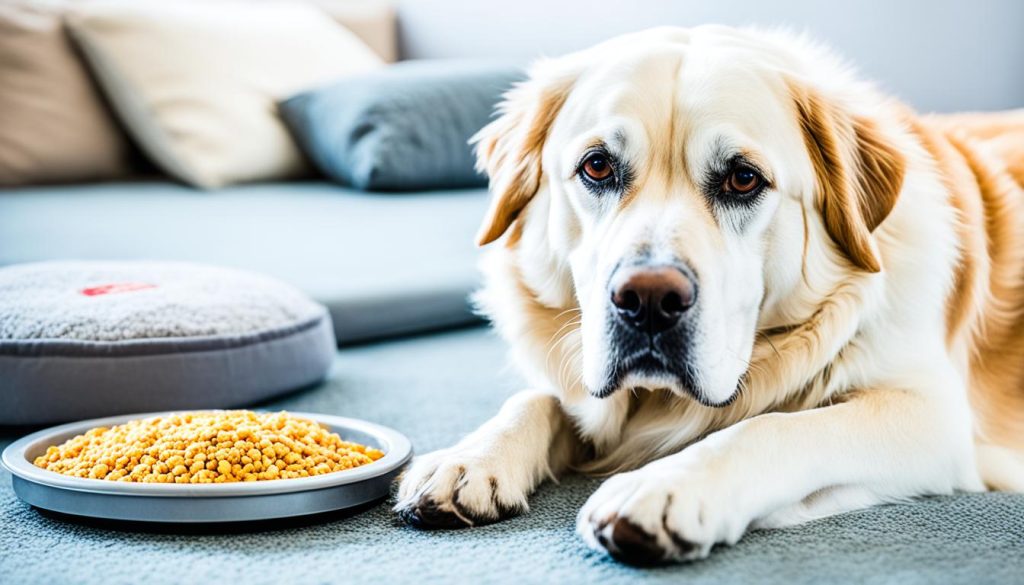
Diabetes in older dogs means they need insulin shots, changes in their diet, and more exercise. Keep an eye on their weight and how much they eat to spot diabetes early. Kidney disease is another big concern, showing up as increased thirst and weight loss. Blood tests at vet visits help catch it early.
Eye problems like cataracts and nuclear sclerosis can affect your dog’s vision and health. Regular vet visits help catch these issues early for treatment. Making changes at home can also help, like using orthopedic beds, non-slip floors, and ramps for easier movement.
Senior dogs also face cognitive decline. Keeping their minds active with games or new tricks can really help their mental health.
It’s important to have your dog see the vet every six months to stay on top of health issues. Watch for signs that mean you should see the vet right away, like sudden weight changes, breathing problems, changes in how they move, strange behavior, or changes in how much they eat and drink.
Importance of Grooming for Senior Dogs
Looking after your aging pet is just as important as regular vet visits. Grooming is more than just making them look good. It’s key for their health and happiness. A big part is preventing mats that can cause skin infections or hold fleas and ticks.
Grooming lets you check for health problems like cysts or skin issues. Senior dogs may not be steady or strong enough for long grooming sessions. So, it’s best to break it up. This keeps them comfortable and lowers stress.
Using senior-approved shampoo helps with dry skin and skin care for aging pets. Trimming their nails improves their grip, which is important for moving around. Don’t forget about their teeth, ears, feet, and nails. Brushing their teeth can stop serious dental problems.
Having help during grooming is a big plus. Choosing simple grooming styles keeps the process easy for your senior pet. Being there with them helps them stay calm and lowers injury risks.
For dogs with special needs, picking the right grooming services is key. Mobile grooming or going to the salon right away is good for them. It’s especially helpful if they have health issues.
Grooming is a great way to show your senior dog extra love and care. It lowers the chance of parasites, eases allergies or skin diseases, and keeps their coat shiny and healthy. It also gives them mental stimulation and helps them sleep better.
In conclusion, grooming is crucial for preventing mats, skin care for aging pets, and overall health. Understanding and meeting your dog’s needs leads to a happier, healthier life for them.
Conclusion
Embracing the golden years of your dog’s life is rewarding. It’s filled with chances to give them the best care. Dogs usually become seniors around 7 years old, but this can vary by breed and size. It’s key to change your care to fit their new needs.
Regular vet check-ups every six months are vital. They help spot health issues early, like arthritis, dental problems, and heart conditions.
Nutrition is key for senior dogs’ health. High-quality protein keeps muscles strong. Omega-3 fatty acids from fish oil help with inflammation and support aging joints. Adjusting their food to match their activity level helps prevent obesity and keeps them at a healthy weight.
Creating a comfortable environment for your senior dog is also important. Think about adding non-slip flooring, orthopedic beds, and easy-to-reach sleeping spots. Regular exercise keeps them mobile and sharp mentally. By taking these steps, you ensure your senior dog lives a great life, celebrating their golden years with love and care.
Quick Recommendation: Our blog is filled with tips and tricks for training your puppy or dog. If you are seeking a comprehensive training program, we recommend K9 Training Institute.
BTW: If you are interested in everything from nutritional advice and natural health solutions to stress-relief techniques and overall wellness tips, check out our friends at PawfectlyHealthyPets.com.