

Want your furry friend to be the best-behaved pup on the block? The key lies in establishing a dog training routine for success. By setting up a consistent schedule, you’ll see amazing results in your canine’s obedience and behavior.
Dog training basics don’t have to be complicated. With a well-planned routine, you’ll create a strong bond with your four-legged companion while teaching them essential skills. A structured approach not only benefits your dog but makes your life easier too.
Ready to dive into the world of canine obedience? Let’s explore how a solid training routine can transform your pup into a well-mannered member of the family. You’ll be amazed at what a little consistency can do!
Quick Recommendation: Our blog is filled with tips and tricks for training your puppy or dog. If you are seeking a comprehensive training program, we recommend K9 Training Institute.
Understanding the Importance of a Dog Training Routine
A structured routine is key to successful dog training. It helps your dog know what to expect every day. This makes them feel safe and less anxious.
Being consistent in training builds good habits. Your dog learns to do things at the same time every day. This makes them do what you want them to do without thinking.
For instance, going outside at the same time every day helps with potty training. It makes them learn faster.
Having a routine also makes talking to your dog easier. They start to understand what you mean when you say certain things. This makes training fun and helps you connect better.
Sticking to a routine keeps you focused on your training goals. You set aside time for training, making it a priority. This helps your dog learn faster and remember things longer.
Getting Started: Basic Dog Training Principles
Starting your journey in dog training is exciting and rewarding. It’s important to learn the basics first. Start with simple commands like sit, stay, and come. These commands are the building blocks of good behavior and help you communicate clearly with your dog.
Socializing your dog is key to their growth. Introduce them to different people, animals, and places early. This helps them not be scared or anxious in new situations. Early socialization is a big part of raising well-adjusted dogs, as puppy training tips often suggest.
Reward-based learning is a great way to train dogs. Give praise or treats when your dog does something you like. This makes them want to do it again. It’s important to be consistent with these rewards during training.
Training puppies requires patience. They can’t focus for long, so keep training short and fun. Use toys and treats to keep them interested. With patience and practice, your puppy will become a well-behaved friend.
Quick Recommendation: Our blog is filled with tips and tricks for training your puppy or dog. If you are seeking a comprehensive training program, we recommend K9 Training Institute.
Routine Rules: Establishing a Dog Training Routine for Success
Creating a solid dog training routine is key to building good habits. Start by setting a daily schedule for training sessions. Pick times when you and your dog are both alert and ready to learn. Short, frequent sessions work better than long, infrequent ones.
Consistency in training is crucial. Make sure all family members follow the same rules and use the same commands. This helps your dog understand what’s expected. Try to incorporate training into everyday activities like walks or mealtime.
Set achievable goals for each session. Focus on one or two skills at a time. As your dog masters basic commands, gradually introduce more complex tasks. Remember to keep training fun and rewarding. Use treats, praise, or toys to motivate your pup.
Establishing a dog training routine for success takes time and patience. Stick with it, even when progress seems slow. Over time, you’ll see remarkable improvements in your dog’s behavior and your bond will grow stronger.
Positive Reinforcement Techniques in Your Routine
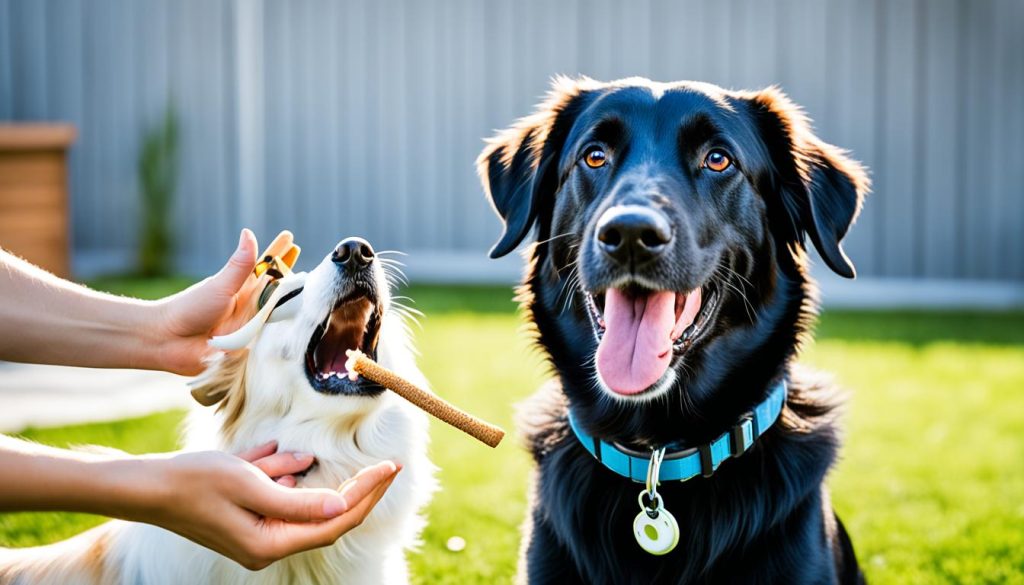
Positive reinforcement is key to training dogs well. It uses rewards to encourage good behavior. Things like treats, praise, and playtime work great in training.
Timing is everything when giving treats. Give them right after your dog does what you asked. This links the action to the reward clearly. As your dog masters a command, use fewer treats. Then, praise them with words or a pat to keep up the good work.
It’s not just about treats to communicate with dogs. A happy voice and positive body language show you’re pleased. This strengthens your bond and encourages your dog to keep up the good work. Being consistent with these methods is important in your training.
For active dogs, play can be a great reward. A game of fetch or tug-of-war can be as rewarding as a treat. This method not only rewards good behavior but also keeps your dog’s mind and body active.
Building Good Habits Through Repetition
Building good habits in your dog needs consistent training and repeating actions. Dogs learn by muscle memory. The more you practice, the easier it becomes. Each time you repeat a behavior, your dog’s brain makes new pathways, making the action stronger.
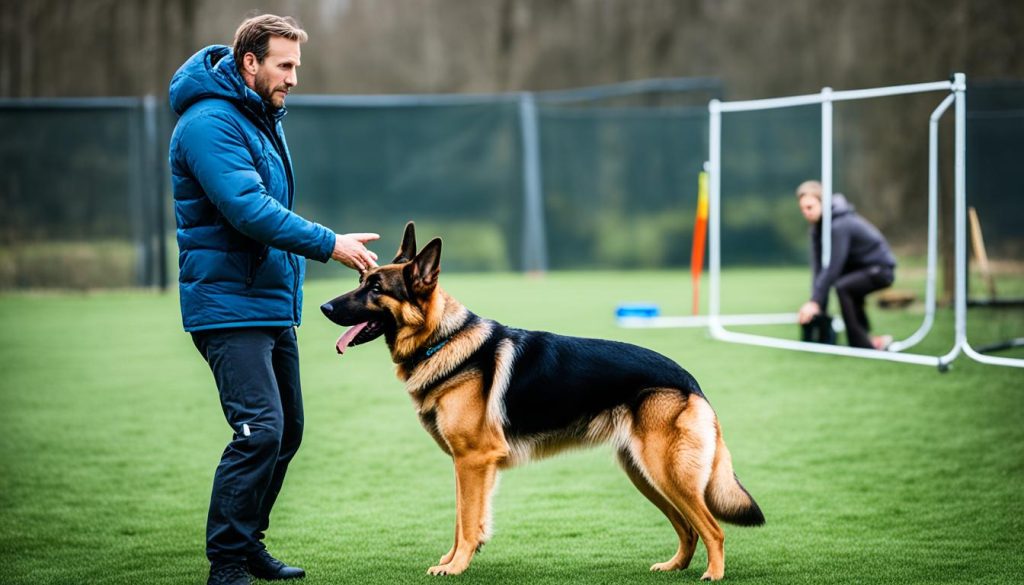
To get your dog to obey, practice commands every day. Short, regular sessions are best. Try for 5-10 minutes, 2-3 times a day. This keeps your dog interested and stops them from getting bored. Always use positive rewards like treats or praise for good behavior.
Being consistent is key, not just in training sessions. Always reward good actions all day long. If your dog sits nicely before meals, give them a treat. This makes good habits stronger. Don’t make mistakes by being inconsistent or rewarding bad behavior, as it can slow down progress.
With patience and hard work, your dog’s behavior will get better. Regular practice leads to lasting changes, making your dog a well-behaved friend. Keep going, and you’ll see the benefits of your hard work in obedience training.
Important Tip: Training your dog is just the beginning. Keep them safe an healthy with Pin Paws Pet Care. Our blog provides the training advice, and Pin Paws offers the protection your pet deserves.
Effective Communication: Speaking Your Dog’s Language
Learning how to talk to dogs is crucial for good obedience. Dogs use body language, sounds, and hand signals to get what we mean. Adding these to your training helps build a strong bond and boosts your training success.
Begin with clear, consistent commands like “sit,” “stay,” or “come.” Use short words and pair them with hand signals. For instance, use a palm-out gesture for “stay” or tap your leg for “come.” It’s important to always use the same words and signs to avoid confusion.
It’s also key to read your dog’s body language. Look for tail movements, ear positions, and posture. A wagging tail might show excitement or anxiety, not just happiness. Knowing these signs helps you respond better and deepen your bond.
Communication goes both ways. Watch how you act during training too. Stay calm and confident to reassure your dog. Don’t loom over them, as it can scare them. Instead, get down to their level when you praise or reward them. This makes them feel more at ease and open to learning.
Tailoring Your Routine for Different Life Stages
Dogs have unique needs at different life stages. Puppy training focuses on basic commands and social skills. Keep training sessions short and fun for young pups. Use treats and toys to make learning exciting.
As your dog grows, increase training time and complexity. Adult dogs do well with a structured routine. Consistency in training helps reinforce good behaviors.
Set aside specific times each day for training exercises. Mix in physical activities with mental challenges. This keeps your dog engaged. A successful training routine adapts to your pet’s changing needs.
Senior dogs need a gentler approach. Shorten training sessions and focus on maintaining existing skills. Introduce new, low-impact activities to keep their minds sharp.
Pay attention to any physical limitations and adjust exercises accordingly. Remember, patience is key when working with older dogs.
No matter your dog’s age, always use positive reinforcement. Praise and rewards encourage learning at every stage. Tailoring your routine to your dog’s life stage creates a strong bond and a well-behaved companion for years to come.
Overcoming Common Training Challenges
Dog training basics can sometimes hit roadblocks. You might face distractions during outdoor sessions or struggle with consistency in your canine obedience routine. Don’t worry – these challenges are normal! The key is to stay patient and adapt your approach.
When distractions derail your training, try moving to a quieter spot. Start in a calm environment and gradually introduce more stimuli as your dog progresses. This step-by-step method helps build focus and reinforces good behavior.
Consistency is crucial for effective communication with dogs. Set a regular training schedule and stick to it. Even short, daily sessions can yield better results than sporadic, lengthy ones. If you’re struggling to stay motivated, mix up your training exercises to keep things fresh and exciting for both you and your pup.
Remember, every dog learns at their own pace. If a particular technique isn’t working, don’t hesitate to try a different approach. The goal is to find what works best for your unique canine companion. With patience and persistence, you’ll overcome these common hurdles and build a strong training foundation.
Advanced Training: Taking Your Routine to the Next Level
Are you ready to take your pup’s skills to the next level? After building a strong dog training routine, it’s time to try advanced techniques. You can now teach your dog more complex commands and special skills.
Adding trick training to your routine is a great idea. Teach your dog to roll over, play dead, or fetch specific items. These tricks are not only impressive but also keep your dog’s mind sharp. Remember, learning new habits takes time and patience.
For a bigger challenge, try agility training. Use everyday items to set up obstacle courses in your backyard. This improves your dog’s fitness and strengthens your bond. Scent work is another fun activity that uses your dog’s natural abilities. It boosts their focus and problem-solving skills.
By regularly adding new things to your training routine, you’ll see big improvements in your dog’s skills. Keep training sessions short, fun, and rewarding to keep your dog excited. With hard work, you’ll see amazing progress in your dog’s obedience and grow closer to your furry friend.
Quick Recommendation: Our blog is filled with tips and tricks for training your puppy or dog. If you are seeking a comprehensive training program, we recommend K9 Training Institute.
BTW: If you are interested in everything from nutritional advice and natural health solutions to stress-relief techniques and overall wellness tips, check out our friends at PawfectlyHealthyPets.com.