

Bringing home a new puppy is thrilling! Yet, it’s vital to begin training right away. The work you do now will help shape your puppy into a well-behaved adult dog. This guide will cover important puppy training areas to help you both succeed.
We’ll look into obedience commands, house training, and socialization. You’ll discover how to handle common behavior issues and build a strong bond with your pet. Get set for this rewarding journey of essential training for your new puppy!
Quick Recommendation: Our blog is filled with tips and tricks for training your puppy or dog. If you are seeking a comprehensive training program, we recommend K9 Training Institute.
Understanding Your New Puppy’s Needs
Bringing a new puppy home is thrilling, but it’s also a big responsibility. Your new friend has certain needs that you must meet for their growth and health. To start successful puppy training, it’s key to know these needs well.
Feeding your puppy the right food is crucial. Choose high-quality food that fits their age and size. Puppies eat more often than adult dogs, needing three to four meals a day. Always talk to your vet to set up a good feeding plan.
Exercise is key for your puppy’s health, both body and mind. Short walks and playtime help them burn off energy and keep their growing bodies strong. But, don’t overdo it. Their bones and joints are still growing.
Getting enough sleep is important for puppies. They need 18-20 hours of rest each day. Make sure they have a quiet, comfy spot to sleep. This helps them stay healthy and makes training easier.
Keeping your puppy’s mind busy is also crucial. Give them toys, puzzles, and training sessions to keep their minds sharp. This keeps them from getting bored and acting out, while also building a strong bond with you.
Starting with Basic Obedience Commands

Teaching your puppy basic obedience commands is key for good dog training. Start with simple commands like “sit,” “stay,” “come,” and “leave it.” These basic skills are important for more advanced training later.
To teach “sit,” hold a treat near your puppy’s nose and move it up slowly. As they follow the treat, their bottom will go down. When they sit, give them the treat and praise. Do this until they always sit when you say “sit.”
For “stay,” make your puppy sit, then step back a bit. If they stay put, go back and give them a treat. As they get better, increase how far and how long you’re away.
The “come” command is vital for dog obedience. Call your puppy’s name and “come” in a quiet spot, then reward them when they come to you. Practice this in various places to make it a strong habit.
Teaching “leave it” stops your puppy from picking up harmful items. Put a treat on the ground and cover it with your hand. When they ignore it, show them the treat and give them another one. This teaches them to ignore things you tell them to.
House Training 101: Setting Your Puppy Up for Success
House training your puppy is key to their early training. Begin with a regular routine. Take your pup outside in the morning, after meals, and before they go to bed. Pick a spot in your yard for potty breaks to help them learn.
Positive reinforcement is great for house training. Cheer your puppy when they go potty outside. You can give them a small treat as a reward. This makes them want to do it again. If they have an accident, clean up without scolding. Punishment can make them anxious and slow down training.
Make your home ready for your puppy’s training. Use baby gates or close doors to keep them out of some areas. Watch for signs they need to go out, like sniffing or circling. If you can’t watch them, think about using a crate. Puppies don’t like to go potty where they sleep, so crates work well for training.
Socialization: Raising a Well-Adjusted Puppy
Puppy socialization is key in new puppy care. It shapes their behavior and confidence. Start by meeting different people, like kids and adults, in safe places. This helps them trust others and not be afraid of strangers.

Then, get your puppy used to other animals. Set up playdates with dogs that have been vaccinated or visit places where pets are allowed. These meetings teach them how to act around other animals. Always watch over these playdates to make sure they go well.
Take your puppy on various outings. Go to parks, busy streets, or for car rides. These trips help them get used to new things like sights, sounds, and smells. Doing this slowly helps them not get too scared and builds their confidence.
Make sure your puppy tries out different textures and surfaces. Let them walk on grass, sand, or gravel. This makes them comfortable with different places they might find later. Reward them for trying new things to help them be brave.
Quick Recommendation: Our blog is filled with tips and tricks for training your puppy or dog. If you are seeking a comprehensive training program, we recommend K9 Training Institute.
Crate Training: Your Puppy’s Safe Haven
Crate training is vital for your new puppy. It gives them a safe space and aids in house training. Choose a crate that lets your puppy stand, turn, and lie down easily.
Introduce your puppy to the crate slowly. Use soft bedding and toys to make it welcoming. Feed your pup near the crate, then inside it, to create positive feelings. Start with the door open, letting them explore at their pace.
When your puppy is comfy, start closing the door for brief times. Keep increasing the time, but always be nearby. Remember, the crate is a safe spot, not a punishment. With patience and consistency, your puppy will see it as their cozy den.
Using the crate correctly is key in training your puppy. Don’t crate your puppy for too long. A good rule is one hour for each month of age, plus one. The crate helps with training and gives your puppy security, but it’s not a replacement for your love and attention.
Leash Training and Proper Walking Etiquette
Leash training is key for puppies. Start by letting your pup get used to a collar and leash. Give them treats and praise for wearing it.
Once they’re comfy, let them walk around with the leash on while you watch. This helps them get used to it.

To teach them to walk nicely on a leash, pick a quiet spot. Move forward, and give them a treat if they walk by your side. If they pull, stop and wait for them to come back.
Fix leash problems like pulling by getting their attention back. Use treats or toys to keep them focused on you. Practice in various places to make sure they behave well everywhere.
Teach your puppy to sit at curbs and wait for your signal to cross. This keeps them safe and shows good manners. With patience, your puppy will learn to walk nicely with you.
Puppy Primer: Essential Training for Your New Puppy
Training your new puppy is a rewarding journey that shapes their behavior for life. Start with basic commands like sit, stay, and come. These commands are the building blocks of good behavior and help you talk to your furry friend. Make sure to practice these commands every day in short, fun sessions.
House training is key for your puppy. Set a regular schedule for feeding and potty breaks. This helps your pup learn when and where to do their business. Use treats and praise to encourage good habits.
Socialization is crucial for a well-adjusted dog. Introduce your puppy to different people, animals, and places early on. This helps prevent fear and anxiety as they grow. Remember, training is about teaching commands and building a strong bond with your new family member.
Crate training gives your puppy a safe space and helps with house training. Introduce the crate slowly, making it a positive experience. Leash training is also key for safe walks and outings. Begin with short walks around your home, rewarding your pup for walking calmly by your side.
Patience and persistence are key in puppy training. Celebrate small wins and don’t get discouraged by setbacks. With time and effort, you’ll have a well-behaved, happy companion.
Important Tip: Training your dog is just the beginning. Keep them safe an healthy with Pin Paws Pet Care. Our blog provides the training advice, and Pin Paws offers the protection your pet deserves.
Addressing Common Puppy Behavior Issues
Dealing with common puppy behavior problems is part of new puppy care. Chewing is a natural act for puppies, but it can be harmful. Give them chew toys and stop them from chewing on furniture.
Nipping is another common issue. Teach your puppy not to bite by reacting when they bite too hard and ending play. This helps them learn right from wrong.
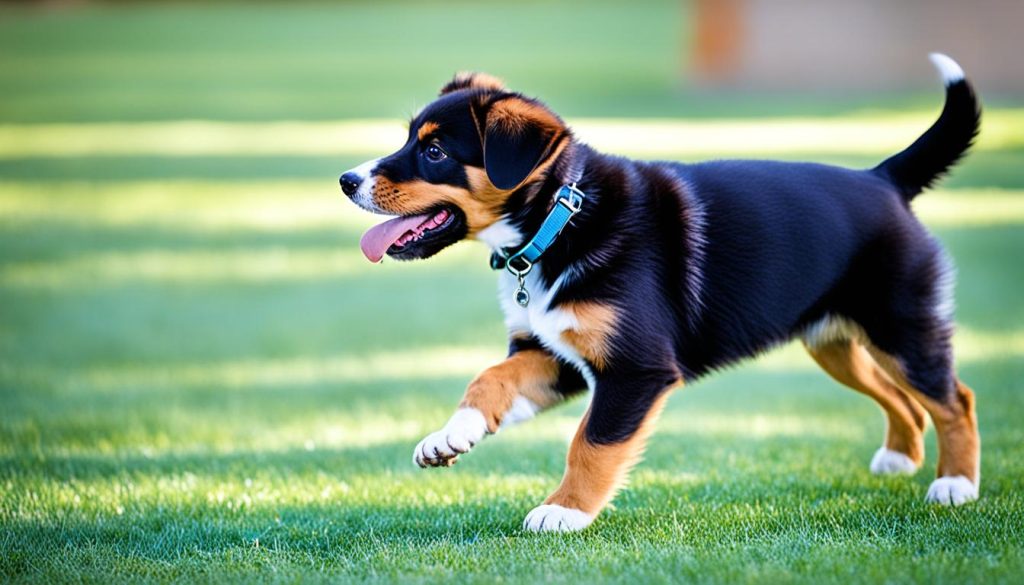
Jumping up on people is fun for puppies but can be a problem. Ignore them when they jump up and give them attention only when they’re calm. This teaches them to stay grounded.
Excessive barking can be annoying. Find out why they bark and use positive training to stop it. This makes life better for everyone.
Being consistent is crucial in training a puppy. Set clear rules and always follow them. Use positive methods to encourage good behavior. Remember, patience is key in training a new puppy. With time and effort, your puppy will become a well-behaved friend.
Nutrition and Exercise: Fueling Your Puppy’s Growth
Proper nutrition is key for new puppies. Choose high-quality puppy food that fits their nutritional needs. Puppies need more calories and nutrients than adult dogs to grow fast. Feed them small meals often throughout the day.
Exercise is vital for puppy training and growth. Begin with short play times and add more as your puppy gets bigger. Games like fetch and tug-of-war help build strength and coordination. Puppies have lots of energy but get tired fast, so make sure they rest a lot between activities.
As your puppy gets older, start structured walks to teach them leash manners and explore new places. Combining good nutrition with the right exercise helps your puppy grow into a healthy adult dog. Always talk to your vet for advice on what to feed and exercise your puppy.
Conclusion
Starting training with your new puppy is a rewarding journey. This guide has shown you how to teach basic commands, house training, and leash manners. Remember, being consistent is key.
Socializing your puppy is very important. It helps them become confident. Introduce them to different people, pets, and places early on. Crate training gives them a safe space. Proper nutrition and exercise help them grow and develop well.
When dealing with behavior issues, stay patient and positive. Your hard work in these early months will help shape your puppy into a well-adjusted adult dog. If you need help, don’t hesitate to get advice from a professional trainer. With dedication and love, you’ll create a strong bond with your puppy that lasts forever.
Quick Recommendation: Our blog is filled with tips and tricks for training your puppy or dog. If you are seeking a comprehensive training program, we recommend K9 Training Institute.
BTW: If you are interested in everything from nutritional advice and natural health solutions to stress-relief techniques and overall wellness tips, check out our friends at PawfectlyHealthyPets.com.