

Ever wondered why your friend’s dog training works but not yours? Choosing the right training method for your dog is key. It can change everything. Whether you’re starting or improving your training, learning about different methods helps.
Exploring various philosophies shows how to match your dog’s unique nature and learning way. Are you ready to find the best way to train your dog? Let’s start!
Quick Recommendation: Our blog is filled with tips and tricks for training your puppy or dog. If you are seeking a comprehensive training program, we recommend K9 Training Institute.
Introduction to Dog Training Philosophy
Dog training is more than just teaching commands. It’s about building a strong bond with your pet. Knowing the basics of dog training is key to a happy relationship. A clear training philosophy helps guide you and your dog.
The way we train dogs has changed a lot over time. Old methods focused on dominance, but now we use positive reinforcement. The aim is to improve dog behavior in a kind and effective way.
There are many ways to train dogs, each with its own approach. Some use rewards like treats to encourage good behavior. Others mix different methods. Finding the right philosophy is important for you and your dog.
Exploring these training philosophies helps you choose the best one for you and your pet. Clear, consistent training improves your dog’s behavior and strengthens your bond. This is the heart of effective dog training basics.
Positive Reinforcement in Dog Training
Positive reinforcement is key in modern dog training. It rewards good behavior to encourage your dog to act well. This method is widely used and helps your dog learn by linking actions with rewards.
Using treats, praise, or playtime helps build a strong bond with your dog. When your dog sits and gets a treat, they’ll want to do it again. This shows how important it is to link actions with rewards in training.

Positive reinforcement works by making your dog want to do things that feel good. Dogs like to do things that get them rewards. This makes them more confident and eager to learn, making training fun for both of you.
Using positive training often creates a trusting bond with your dog. It’s important to be consistent and reward your dog right away for good behavior. This makes training easier and makes your dog happy and proud of their achievements.
Clicker Training for Dogs
Clicker training is a great way to teach your dog new things. It comes from operant conditioning. This method uses a clicker to mark the exact moment your dog does something right.
Using a clicker means you’re doing marker training. You click the device to tell your dog they did something good. Then, you give them a treat right away. This helps your dog know what actions you like.
For clicker training to work well, timing and consistency are key. You must click right when your dog does the right thing. If you’re late, your dog might not know what they’re getting rewarded for.
Also, keep training sessions regular. Doing it often helps your dog link the action, the click, and the reward together. This makes operant conditioning a strong way to change your dog’s behavior.
Force-Free Dog Training
Force-free dog training focuses on building a strong, positive bond with your dog. It uses no-aversive methods to avoid harming your dog emotionally or physically. This approach is all about creating a safe space for learning.
At the heart of this training is compassionate training. It rewards your dog with treats, praise, or play for good behavior. This makes training a fun experience for your dog. It’s also ethical because it promotes a safe learning environment.
Training your dog without punishment has many benefits. Dogs learn to be more confident and less fearful. They also form a stronger bond with you. And, you lower the chance of behavioral problems caused by stress or fear.
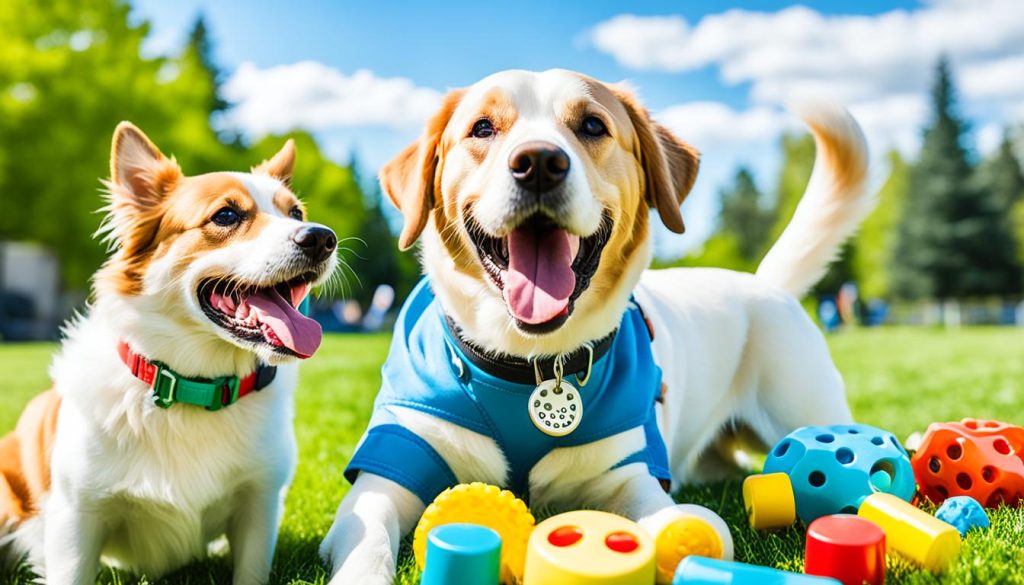
Practical ways to apply this include clicker training and positive reinforcement for obedience commands. Whether it’s teaching your dog to sit, stay, or walk nicely on a leash, humane training makes it rewarding for both of you.
Dominance Theory in Dog Training
The idea of dominance in dog training has been debated for a long time. It comes from the idea of the alpha dog. Many people think you must be the top dog by being tough. But this idea comes from old studies on wolves in captivity.
Now, new studies have shown that the dominance myth is wrong. They reveal how wild dogs and wolves live together in harmony. These findings suggest that dogs don’t fight for dominance. Instead, they work together.
Experts in dog training now recommend positive methods. These methods focus on building trust and understanding with your dog. They say it’s better to respect each other than to try to be the boss. By learning about how dogs really interact, you can have a better relationship with your dog.
Quick Recommendation: Our blog is filled with tips and tricks for training your puppy or dog. If you are seeking a comprehensive training program, we recommend K9 Training Institute.
Obedience Training for Dogs
Obedience training for dogs is key to building a strong bond with your pet. It helps dogs of all ages learn basic commands like sit, stay, and come. This ensures they behave well in different situations. Basic commands training and structured sessions make your dog a happy and well-behaved companion.
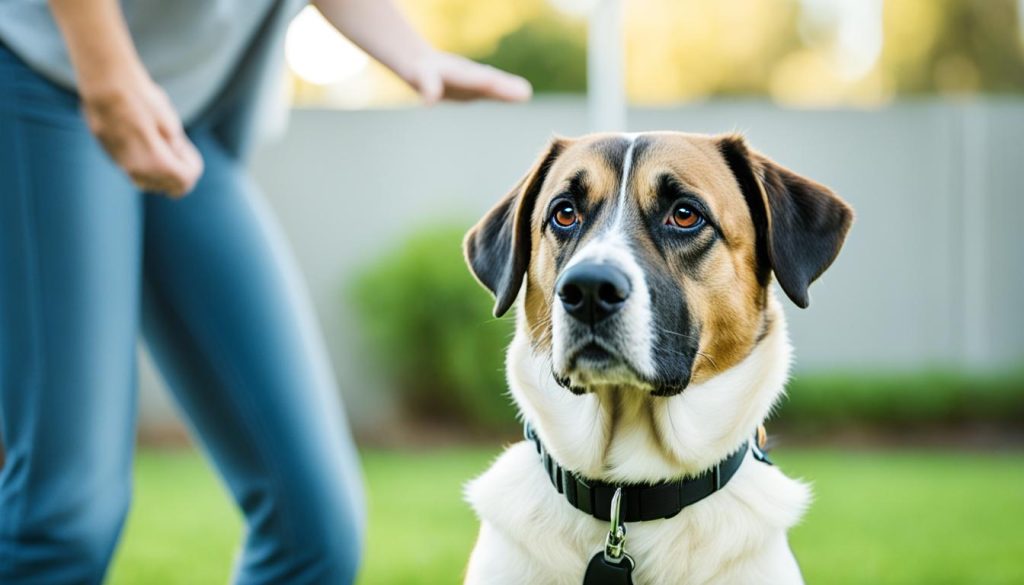
Start with simple commands like sit, stay, and come. It’s important to be consistent. Use clear commands and reward your dog when they do as told. This method strengthens good behavior and improves their understanding and response.
Having a structured training area is vital for focus and learning. Make sure training sessions are clear and free from distractions. This approach makes training more effective and helps teach your dog reliable behavior. Following a routine makes training fun for both you and your dog.
Reward-Based Dog Training
Reward-based dog training uses motivational training to teach good behaviors. It’s all about positive reinforcement. This makes it a great way to teach and strengthen good habits.
Using treats is a common and effective way to train dogs. The idea is simple: give your dog a treat when they do something you like. This makes them want to do it again.
But treats aren’t the only reward you can use. Toys, praise, and affection work well too. Some dogs might like hearing “Good job!” and a pat on the head more than a treat. It’s important to know what motivates your dog best.
It’s key to mix up rewards to avoid overusing treats. Start using toys or praise more often. This keeps your dog interested and motivated, even when treats are rare. This way, reward-based training works well for both you and your dog.
Balanced Dog Training
Balanced dog training mixes positive reinforcement with gentle corrections. It’s a way to train your dog by using different methods that fit their needs. This approach helps your dog learn what’s good and what’s not through rewards and gentle corrections.
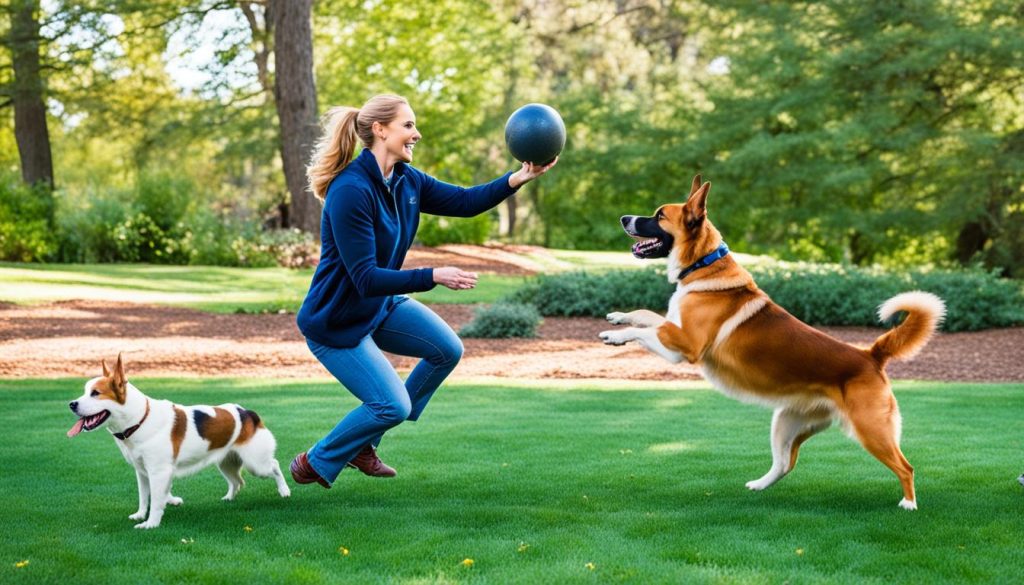
Knowing when and how to use different techniques is key in balanced training. Rewarding good actions with treats or praise makes them want to do it again. A gentle correction stops bad actions. The aim is to balance rewards and corrections for better understanding and following rules.
Some people question the use of balanced dog training. They worry that corrections might scare or confuse dogs. But, those who support it say it can be helpful if done right. It’s crucial to think about your dog’s personality and get advice to make sure it’s kind and works well.
Using balanced dog training helps with many behavior problems. It’s an approach that uses different strategies to meet your dog’s specific needs. This way, you get a well-behaved and happy dog.
Important Tip: Training your dog is just the beginning. Keep them safe an healthy with Pin Paws Pet Care. Our blog provides the training advice, and Pin Paws offers the protection your pet deserves.
Philosophy of Training: Applying Different Dog Training Methods
Learning how to use different dog training methods starts with a flexible approach. Every dog is special, so it’s important to tailor training to their needs. This makes sure the training works well with their personality and behavior.
First, look at what your dog needs. Watch how they act and what they’re like. Some dogs like positive reinforcement, while others do better with clicker training and force-free methods. The goal is to pick a training method that fits your dog best.
As your dog gets better, be ready to change things up. Training doesn’t work the same for every dog. By changing your approach based on how your dog reacts, you can make sure they learn best.
Finally, check how well your training is working often. Seeing how your dog is doing helps you adjust your methods. This way, you can keep training in a way that grows with your dog.
Conclusion
In our journey through dog training methods, we’ve learned that success comes from patience, consistency, and positive reinforcement. By using techniques like positive reinforcement and clicker training, you can build a strong bond with your dog. These methods focus on rewarding good behavior and making training a positive experience.
Understanding your dog’s personality and needs is key to choosing the right training approach. Being consistent with rewards and commands helps your dog feel secure and understood. This makes the training process smoother and more effective.
As a dog owner, it’s important to keep up with new training ideas and techniques. Learning more about dog training helps you improve your skills and make your pet’s life better. Remember, the best training starts with a strong bond based on trust, patience, and consistency.
Quick Recommendation: Our blog is filled with tips and tricks for training your puppy or dog. If you are seeking a comprehensive training program, we recommend K9 Training Institute.
BTW: If you are interested in everything from nutritional advice and natural health solutions to stress-relief techniques and overall wellness tips, check out our friends at PawfectlyHealthyPets.com.