
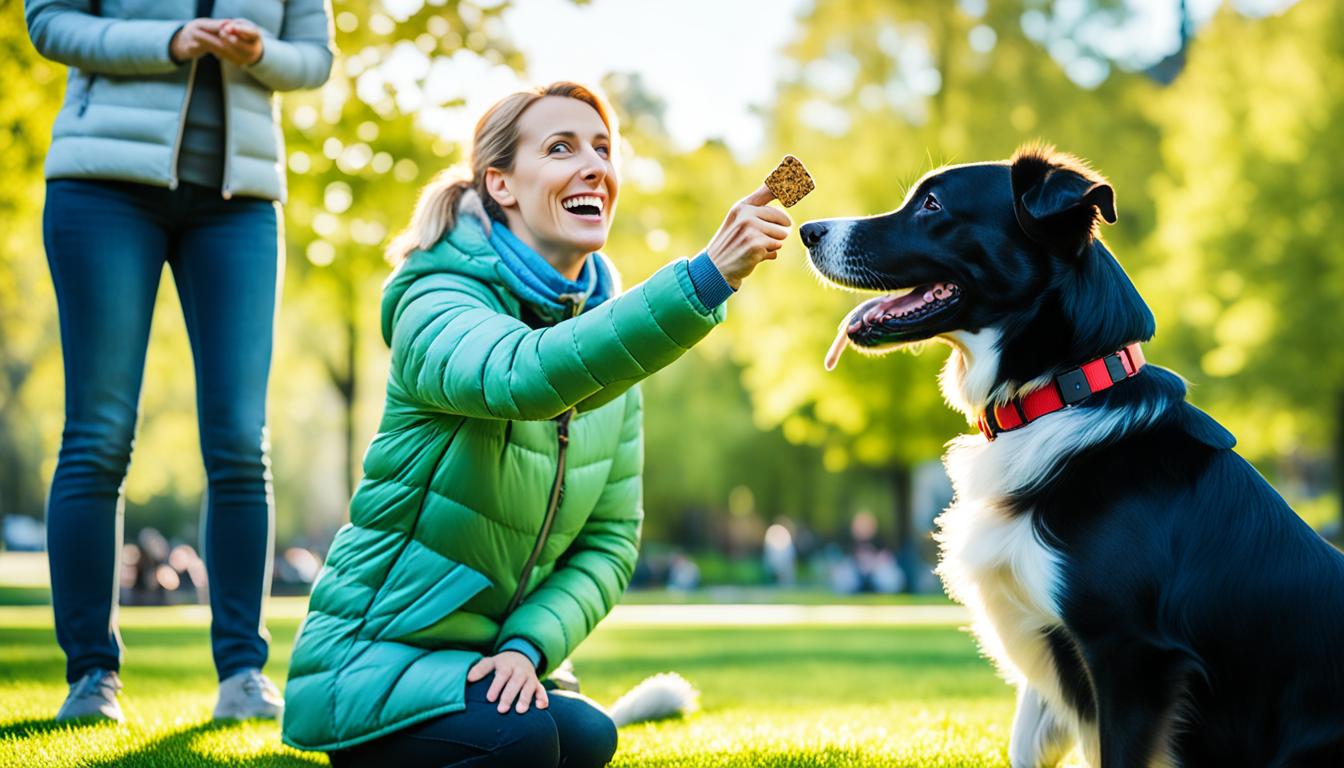
Ever wondered why some dogs have great manners while others don’t? It’s not just luck or breed. It’s all about using mindful dog training methods and understanding dogs’ minds. So, what does it mean to shape positive dog behavior?
Mindful manners teach your dog more than just sitting or staying. It’s about helping them grow into a well-behaved pet through consistent training and patience. This approach can turn your dog into a well-mannered friend you’ll be proud to be seen with.
Quick Recommendation: Our blog is filled with tips and tricks for training your puppy or dog. If you are seeking a comprehensive training program, we recommend K9 Training Institute.
The Importance of Dog Manners
Manners are key for our furry friends. Teaching your dog good behavior helps them get along with people and other animals. Early canine behavior modification is crucial for this. Positive reinforcement makes your bond stronger and keeps your dog happy.
Picture walking in the park with a calm, friendly dog, or having guests over without worry. Well-mannered dogs enjoy more activities and make socializing easier for everyone. Without good manners, dogs might become isolated or develop behavioral issues.
Every dog owner wants a pet that listens and behaves well. This comes from training early and often. Positive reinforcement makes training fun for your dog and strengthens your bond.
Good manners aren’t just for humans. Dogs need routine and structure to thrive. Spending time on behavior modification makes your dog confident and happy. By focusing on positive reinforcement, you create a lifetime of positive interactions and memories.
Understanding Your Dog’s Behavior
Understanding your dog’s behavior is key to effective training. Knowing how to read your dog’s body language is a vital dog training technique. It greatly improves your training efforts.

Positive dog behavior shaping begins with understanding why your dog acts out. Behaviors like wagging their tail, barking, or destructive actions tell you what they feel or need.
By watching and responding to these behaviors, you can make a training plan that works well and is kind. This thoughtful approach builds a strong bond with your dog. It leads to better results in your dog training techniques.
Basic Principles of Positive Reinforcement
Positive reinforcement is key to good dog training. It rewards your dog for doing well, making them want to do it again.
Timing is very important in positive reinforcement. You should give a reward right after the good behavior. For example, give a treat if your dog sits when asked.
Being consistent is vital in training dogs. Everyone should use the same commands and rewards. This avoids confusing your dog. Use treats, praise, or toys consistently to help your dog learn.
Dogs like different rewards. Some like food, others enjoy toys or praise. Try different things to see what your dog likes best. This helps make training more effective.
By following these basic principles, training your dog can be easier and fun. A strong bond with your dog comes from consistent and timely rewards. This leads to a happier, well-behaved pet.
Essential Training Techniques for Positive Behavior
Teaching your dog basic commands like “sit,” “stay,” “come,” and “heel” is key to positive behavior. Start by using a calm yet firm voice. Make sure your dog understands each command clearly. Reward them with treats and praise to keep them motivated.
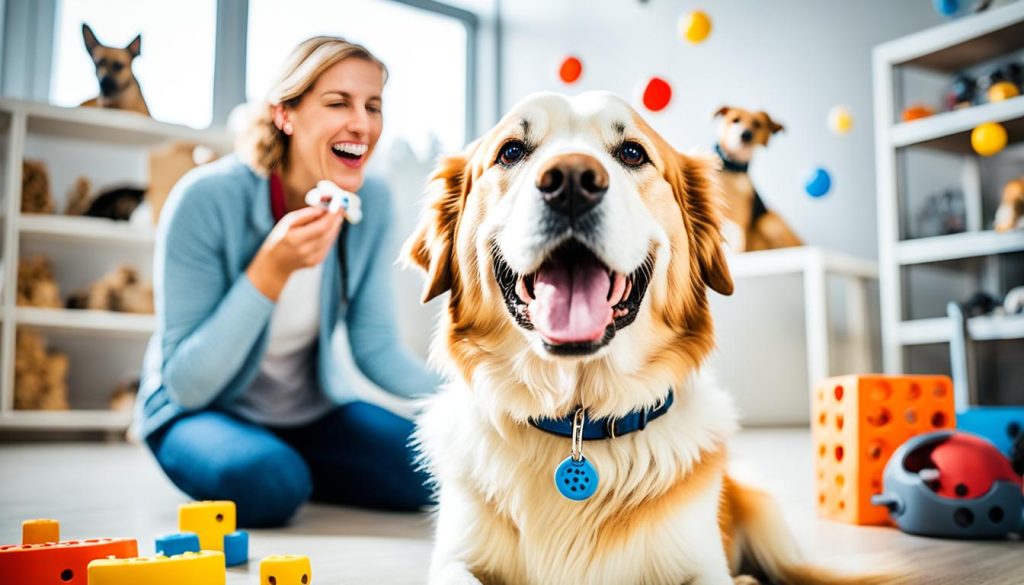
To teach “sit,” hold a treat above your dog’s head and slowly move it back. As they sit back for the treat, say “sit” and give them the reward. Being consistent is important for teaching good manners.
For “stay,” start with short distances. Tell your dog to sit, then show your open palm and say “stay.” Slowly increase the time and distance between you and your dog. Give them a reward when they stay in position.
“Come” is crucial for safety. Use a leash during training. Gently pull the leash, say “come,” and reward them when they come to you. Keep repeating this to make it a strong habit.
The “heel” command needs patience. Walk with your dog on a leash, keeping it short. Say “heel” and reward them as they walk beside you. Gradually add more distractions to test their obedience.
Remember, patience and consistency are key. Slowly add distractions to help your dog learn better. This way, they’ll respond well in different places, building good manners.
Mindful Manners: Shaping Positive Dog Behavior
Using mindful dog training can make your bond with your dog stronger. Being fully present and attentive helps you talk better with your pet. This way, you can understand and meet your dog’s needs, making training a good experience for both of you.
Keeping a calm and positive attitude is key in training dogs. Dogs sense how we feel and respond to it. So, staying calm can help reduce their stress and make them more open to learning.
Make every interaction with your dog mindful by focusing on the now and ignoring distractions. Deep breathing can help keep your mind clear, making you more focused on your dog’s training. This approach improves how you communicate and strengthens your bond.
Being consistent with mindful dog training is crucial. Regularly using these methods in daily life helps your dog understand and follow a routine. This consistency helps make good behavior a natural part of their actions.
Good dog training is not just about the commands you teach. It’s also about the attention you give. By being mindful, you create a positive space for your dog to learn and grow.
Building Good Manners in Puppies
Starting to teach good manners in dogs when they are puppies is key. This early time is important for setting habits that last a lifetime. It’s a chance to tackle challenges and make training work well.

Socialization is vital for good dog behavior. Let your puppy meet different people, places, and other animals. This helps them feel confident and less anxious. Early positive experiences can stop future behavior problems.
Crate training is also important. It gives your puppy a safe spot and helps with house training. Make the crate a happy place with treats and toys. This way, your puppy will see it as a safe space, not a punishment.
House training needs patience and regular routines. Set times for eating, playing, and going outside helps your puppy know what to do. When your puppy goes to the bathroom outside, praise and give them a treat. This encourages good behavior.
Stopping bad behaviors early is easier than fixing them later. If your puppy does something you don’t like, like chewing or barking too much, distract them. Give them lots of exercise and fun activities to keep them happy and busy.
Putting effort into training your puppy early will make a big difference later. Using good training methods helps your puppy grow into a well-behaved friend. It makes for a happy life together.
Advanced Obedience Training for Dogs
Are you ready to take your dog’s training to the next level? Advanced dog obedience training is both fun and rewarding for you and your pet. It’s all about improving the skills they learned before and adding new ones.
First, work on your dog’s retrieval skills. Whether it’s fetching a ball or bringing the newspaper, rewarding them with positive reinforcement makes them love the job.
Learning off-leash control is key in advanced training. Start by increasing how far and how long they stay off-leash, rewarding them when they come back. This builds trust and makes them more reliable.
Hand signals are great for advanced training. Begin by using verbal cues and hand signals together, then switch to just hand signals. Being consistent and rewarding them helps them learn and respond well.
Advanced training also helps solve tough obedience issues. Break down big problems into smaller tasks and reward your dog for each step. This method makes them more obedient and strengthens their training.
By using these advanced techniques, you’re not just improving your dog’s skills. You’re also making your bond stronger. Advanced dog obedience training makes life with your dog more fun and rewarding.
Quick Recommendation: Our blog is filled with tips and tricks for training your puppy or dog. If you are seeking a comprehensive training program, we recommend K9 Training Institute.
Addressing Behavioral Issues
Even well-trained dogs can face behavioral problems, causing stress for both the dog and its owner. Issues like aggression, too much barking, chewing things they shouldn’t, and separation anxiety are common. It’s important to find out why these problems happen to fix them.
First, figure out what’s causing the behavior. For example, aggression might come from fear or feeling insecure. Constant barking could be because the dog is bored or wants attention. Watch how your dog acts to use the right positive reinforcement techniques.
Positive reinforcement means rewarding good behavior and ignoring the bad. If your dog barks a lot, give it a treat for being quiet. This method is not only effective but also strengthens your bond with your dog.
For serious issues, getting help from a pro is a good idea. Experts like certified dog trainers or behaviorists can give you specific advice and support. Remember, some problems might be genetic and need a special approach.
In the end, fixing behavioral issues in dogs takes time, patience, and the right methods. With positive reinforcement and understanding how to change dog behavior, you can make your dog happier and better adjusted.
Socializing Your Dog for Better Behavior
Socializing your dog is key to making sure they’re well-adjusted and behave well in different situations. By using mindful dog training methods, you can introduce your dog to new places, people, and animals safely. This helps reduce fear and anxiety, which can lead to bad behavior.
Start by taking your dog on walks in various places like different neighborhoods, parks, and pet-friendly stores. These walks are great for changing how your dog reacts to new things. They help your dog get used to different sights, sounds, and smells.
When meeting new people, make sure these meetings are calm and positive. Let your dog approach strangers at their own speed. Giving treats and praise can help your dog behave well during these times.
Meeting other dogs is also important for your dog’s social skills. Set up playdates with friendly dogs and think about signing up for a dog training class. These places are good for your dog to learn and behave better.
Watch how your dog feels during these social times. If they seem stressed or aggressive, slow down and figure out what’s bothering them. With patience and consistent guidance, your dog will become more confident and behave better overall.
Maintaining Positive Behavior Long-Term
Keeping a well-behaved dog takes ongoing work after the initial training. By making obedience training a part of your routine, you lay the groundwork for good behavior for life. It’s key to keep practicing and rewarding your dog for long-term positive dog behavior.
It’s vital to keep your dog’s mind active with new challenges and fun activities. Try using interactive toys, agility courses, and puzzle games. These activities keep their mind sharp and prevent bad behavior.
Regularly rewarding your dog for good behavior is also crucial. Go back to the commands and techniques you learned in obedience training. This keeps their good habits strong and reminds them of what to do. Treats, praise, or playtime are great rewards to keep them motivated.
Lastly, check in regularly to see how your dog is doing and adjust your training if needed. As your dog grows, their needs and behaviors change. Regular checks help you tweak your training to keep long-term positive dog behavior going strong.
Important Tip: Training your dog is just the beginning. Keep them safe an healthy with Pin Paws Pet Care. Our blog provides the training advice, and Pin Paws offers the protection your pet deserves.
Common Mistakes to Avoid
Many dog owners make mistakes in training that can slow progress. One big mistake is being inconsistent. It’s key to always use the same commands and routines. If you reward a behavior one day but not the next, your dog will get confused. This can mess up the positive reinforcement that’s key for good training.
Another error is using negative reinforcement. Punishing your dog can make them scared and anxious, which isn’t helpful. Instead, use training methods that reward good behavior with treats and praise. It’s also important to consider your dog’s breed and personality, as they react differently to training.
Lastly, not being patient can hold you back. Training takes time, and rushing it can frustrate you and your dog. By being calm and patient, you create a space for positive reinforcement to work. This leads to a well-behaved and happy dog.
Conclusion
In this journey, we’ve seen how important manners are for a well-behaved dog. You’ve learned how to understand your dog’s behavior, use positive reinforcement, and train them. These steps are key to a good relationship with your dog.
Building good manners in dogs takes patience and consistency. It’s vital to socialize your dog and solve any behavioral issues. The tips shared here will help you build positive behavior in your dog for the long term.
Keeping a well-mannered, happy dog takes ongoing effort. It’s not just about using certain techniques. It’s also about being kind and consistent. By sticking to these principles, you improve your dog’s behavior and strengthen your bond.
Start this journey with excitement and a strong commitment to mindful manners. This will make your time with your furry friend rewarding and enjoyable.
Quick Recommendation: Our blog is filled with tips and tricks for training your puppy or dog. If you are seeking a comprehensive training program, we recommend K9 Training Institute.
BTW: If you are interested in everything from nutritional advice and natural health solutions to stress-relief techniques and overall wellness tips, check out our friends at PawfectlyHealthyPets.com.