
Ever wondered why some people easily house train their dogs, while others face constant messes? We’re diving into the secrets of pet obedience training. We’ll explore the best ways to house train your dog the right way.
Starting a cleaner, happier home begins with consistency and a clear plan. We’ll walk you through each step. You’ll get practical advice and tips to change how you see house training. It works for both new puppies and older dogs.
Get ready to learn the best practices and techniques. These methods promise no more accidents and a well-behaved, happy dog.
Quick Recommendation: Our blog is filled with tips and tricks for training your puppy or dog. If you are seeking a comprehensive training program, we recommend K9 Training Institute.
Understanding the Basics of Dog House Training
Dog house training is key to raising a well-behaved pet. It’s important to know your dog’s natural habits. Dogs like to keep their sleeping spots clean. This can help make training easier.
Setting a routine is vital for successful dog house training. Dogs love consistency. A regular schedule for meals, potty breaks, and playtime helps them know what to do. Stick to a timetable to avoid confusion and accidents.
Patience is crucial in training a dog. Training takes time and effort, and mistakes will happen. Stay calm and patient, and use positive reinforcement like treats and praise when your dog does well.
Training is best done early in a dog’s life. Puppies are quick to learn new things. But, adult dogs can learn too with the right approach and consistency.
By using your dog’s natural habits, setting a routine, and being patient, you can lay a strong foundation for house training. This makes your home cleaner and strengthens your bond with your dog.
Effective Puppy Potty Training Techniques
Potty training a puppy can seem tough, but it gets easier with a consistent schedule and knowing the right cues. Start by setting a regular feeding schedule. This helps you know when your puppy needs to go outside.
Watch for signs like sniffing, circling, or whining. These mean your puppy might need to go out. Don’t wait; take them to their potty spot right away.
Being consistent is crucial. Take your puppy outside often, after meals, play, and naps. This teaches them that outside is where they should go. If you catch them in an accident, clean up well and take them outside right away.
Accidents will happen. Clean up well to stop your puppy from returning to the same spot. Never scold your puppy for accidents. Instead, praise and reward them for going in the right spot. This positive approach helps them learn faster.
Following these tips will help you train your puppy well. With patience and consistency, you’ll have a happy, well-trained dog.
Common Housebreaking Tips for a Mess-Free Home
House training your dog can be tough, but you can keep your home clean with the right tips. One key tip is to always watch your dog. This lets you stop them before they make a mess.
Another good method is to keep your dog in a safe area when you’re not watching. Use a crate or a special spot to keep them from wandering off. Make sure this area is cozy with their favorite toys and bedding.
Even with the best plans, accidents can still happen. It’s important to clean up quickly and right after an accident. Use an enzymatic cleaner to get rid of all smells. This stops your dog from going back to the same spot.
By following these tips—watching your dog, using confinement, and cleaning up fast—you’ll make house training easier. This will lead to a cleaner, happier home for everyone.
No More Accidents: House Training Your Dog the Right Way
House training your dog the right way means following a structured plan. Begin by setting consistent routines. This helps your dog know when and where to go potty. Make sure to take your dog outside often, at the same times each day, like after meals and naps.
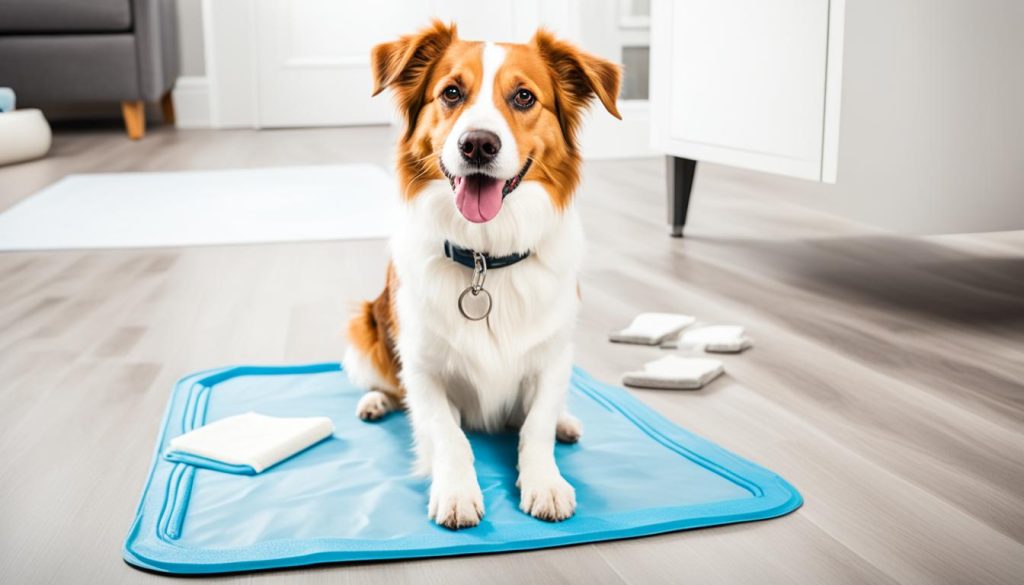
It’s also key to watch your dog for signs they need to go, like sniffing or circling. Quickly take them to their potty spot to encourage good behavior. Keeping a regular schedule helps build strong habits, so stick to it.
Creating a good environment is vital for house training. Pick a specific spot for your dog to go potty, away from distractions. Praise and reward them when they go in the right spot. This makes them link the action with a positive feeling.
Quick Recommendation: Our blog is filled with tips and tricks for training your puppy or dog. If you are seeking a comprehensive training program, we recommend K9 Training Institute.
The Role of Crate Training in Effective House Training
Using a crate for house training changes the game. It’s important to see crates as a safe space for dogs, not punishment. A crate gives your dog a cozy spot to feel secure. This safe space helps create a routine that’s key to effective house training.
Crate training is great for controlling when your dog goes to the bathroom. Dogs don’t like to soil their sleeping spots. So, a crate the right size helps them wait until it’s time to go outside. This is key for avoiding accidents and keeping your house clean.
Adding crate training to your dog’s daily life makes house training easy and stress-free. It sets a clear routine and teaches your dog where and when to go to the bathroom. This is super helpful for new puppy owners. Just make sure your dog sees the crate as a comfy, safe spot, not a place of confinement.
Indoor Potty Training Solutions for Apartment Dwellers
Living in an apartment with a dog can be tough, especially when training them to use the bathroom indoors. Using potty pads is a great way to help. You can put them in certain spots in your apartment. This makes it clear to your dog where to go. Plus, they soak up liquids and keep smells away.
Another good idea is to create an indoor grass area. It feels like the outdoors for your dog. And if you have a balcony, you can set up a potty spot there. This approach helps with training and teaches your dog to go to a specific spot.
Keeping your apartment clean is key to successful indoor potty training. Change the potty pads often and clean up right away. This stops bad smells and keeps your home fresh. Use special cleaners made for pet messes to get rid of any lingering odors.
These tips make living with dogs in an apartment easier. Remember, being consistent and rewarding your dog is important. Stick to a routine and praise your dog for doing well. This will help you both succeed in the long run.
Utilizing Positive Reinforcement Techniques
Positive reinforcement techniques are a great way to train your dog. By using treats, praise, or playtime, you can encourage good behavior. This method strengthens your bond with your dog and makes training fun.
Timing is key in reward-based training. Make sure to reward your dog right after they do something good. This helps them connect the action with the reward, making them learn faster. For instance, give treats immediately after they go potty outside.
There are many rewards you can use to motivate your dog. Small pieces of chicken or commercial dog treats work well. But, don’t forget about verbal praise and petting. Some dogs love playtime or a favorite toy as a reward. Pick something your dog really likes.
As your dog gets better, start using fewer treats. This helps them learn to behave without always needing a reward. Switching to praise or affection helps keep the good behavior going.
In short, positive reinforcement in house training means rewarding your dog on time, choosing the right rewards, and slowly using fewer treats. Following these steps will help you have a well-behaved and happy dog.
Important Tip: Training your dog is just the beginning. Keep them safe an healthy with Pin Paws Pet Care. Our blog provides the training advice, and Pin Paws offers the protection your pet deserves.
Comprehensive Steps to Teaching Dogs Good Behavior
Teaching dogs good behavior makes for a peaceful home. Begin by setting clear rules and sticking to them. This helps your dog know what’s expected and encourages good habits.
Socializing your dog is key. Let them meet new people, places, and animals. This makes them calm and less likely to be aggressive.
Keep up with obedience training for lasting good behavior. Training regularly, even after your dog knows the basics, keeps their behavior on track. Always praise your dog when they do as told.
Setbacks will happen, but stay calm and go back to basics. Keeping up with good habits helps you get past tough times.
Keeping your dog well-behaved takes effort. They need regular exercise and fun activities to keep them busy. Try playing fetch, agility training, or puzzle toys to keep their mind sharp and happy.
With time and effort, you can have a dog that listens and is a pleasure to be around.
Conclusion
Successful house training is a journey that needs patience, consistency, and positive reinforcement. This guide has shown you how to start from the basics. It covers puppy potty training, crate training, and positive reinforcement.
These steps help create a mess-free home and a well-behaved pet. They also help build a strong bond between you and your pet.
By using these training methods, you’ll see fewer accidents. This makes your home happier and less stressful for you and your dog. The key points, like the importance of routine and rewards, are crucial for any good training plan.
Crate training, knowing your pet’s needs, and staying positive are key to success. A consistent and supportive approach leads to a well-trained dog and a better relationship with your pet. Following this guide ensures a cleaner, happier home for everyone.
Quick Recommendation: Our blog is filled with tips and tricks for training your puppy or dog. If you are seeking a comprehensive training program, we recommend K9 Training Institute.
BTW: If you are interested in everything from nutritional advice and natural health solutions to stress-relief techniques and overall wellness tips, check out our friends at PawfectlyHealthyPets.com.