

Welcome to The Dog Whisperer’s Blog, your go-to for dog training secrets. We aim to share expert techniques and insights to strengthen your bond with your dog. Whether you’re new or experienced, our blog is your comprehensive guide to dog training.
We’ll cover everything from canine psychology to positive reinforcement and managing aggression. Our goal is to give you the knowledge and skills for successful training. Stay with us for valuable tips and strategies to build a strong, respectful bond with your dog.
Quick Recommendation: Our blog is filled with tips and tricks for training your puppy or dog. If you are seeking a comprehensive training program, we recommend K9 Training Institute.
Understanding Canine Psychology
Getting to know your dog’s behavior is crucial for a strong bond. Dogs, like us, are shaped by their senses, past, and surroundings. By exploring how dogs think and learn, you can understand them better.
Dogs have a natural pack mentality. They need a social structure and hierarchy. Being a leader helps your dog feel safe and trusted. Stressors like new places or past traumas can affect their behavior. It’s important to recognize and reduce these stressors.
Many people think dogs act out of spite or stubbornness. But, their actions usually come from a specific reason or feeling. Learning about canine psychology from experts can help you manage their behavior better.
Effective Communication with Your Dog
Learning how to communicate with your dog is key to a strong bond. Understanding how dogs get training cues is important. They often use body language to figure out what you want.
Consistency is key when giving commands. Always use the same word for a task. This helps your dog learn faster. Dogs also read body language, like hand gestures and facial expressions. Make sure your actions match your words.
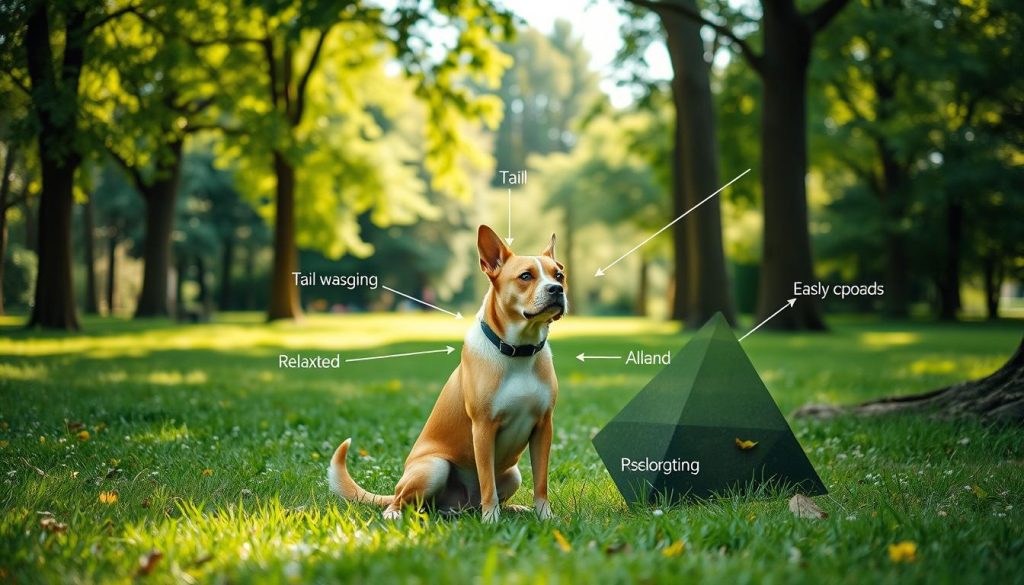
Timing is crucial in teaching dogs. They live in the moment, so quick praise or correction is best. Use clear, consistent signals with your words to help them understand.
Also, watch your body language. Dogs are great at reading human emotions. Keeping calm and confident helps your dog feel secure and more likely to listen.
By using these tips, you can improve how you communicate with your dog. This makes training more fun and effective for both of you.
Positive Reinforcement Training Methods
Positive reinforcement is a key in dog training. It uses rewards like treats and praise to shape behavior. This method is backed by science and is favored by many trainers.
Clicker training is a well-known technique. It uses a device that makes a sound when pressed. This sound marks the moment your dog does something right. Then, a treat or praise follows, teaching your dog to link the action with a reward.
Timing is everything in reward-based training. Giving a treat or praise right after the action helps your dog understand what they did right. As your dog learns, you can start using less treats. Instead, use praise or playtime to keep them motivated.
Using positive reinforcement builds a strong bond with your dog. It’s not just about teaching commands. It’s about creating a happy and well-behaved companion.
The Dog Whisperer’s Blog: Unlocking the Secrets of Dog Training
Welcome to a world where *dog training solutions* are more than just exercises. They’re a journey into the dog’s mind. By embracing the *Whisperer’s insights*, you’re not only teaching commands but building an unspoken bond. Here, we delve into the essence of *whispering guidance*, a transformative approach that prioritizes understanding your dog’s unique psychology.
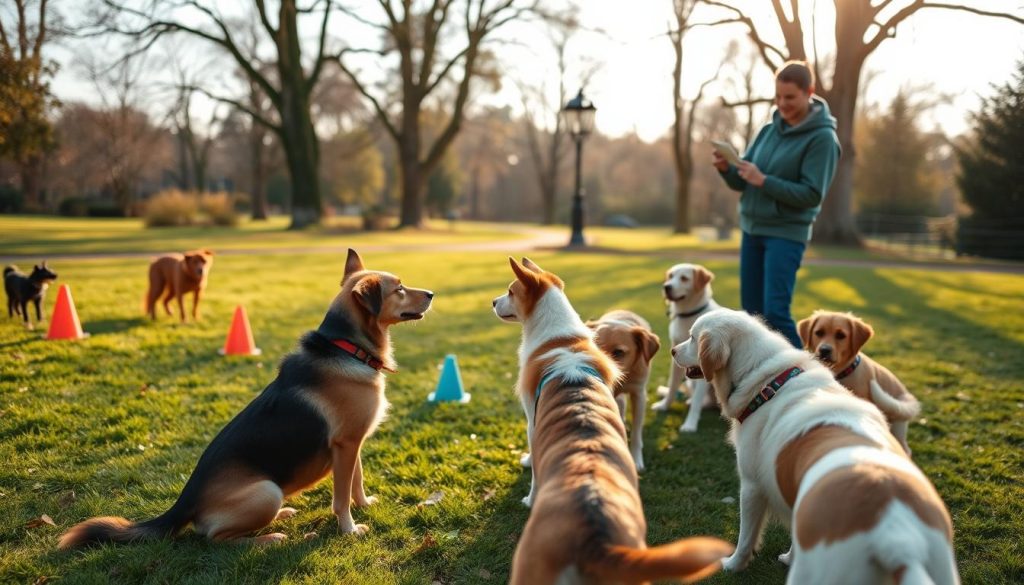
Drawing upon years of experience, the Dog Whisperer reveals *dog obedience secrets* that have consistently proven effective. This blog isn’t just a compilation of tips; it’s a treasure trove of compassionate strategies. These strategies result in obedient and joyful pets. Through this, you’ll gain access to personalized advice tailored to your specific training needs.
Success stories abound from dog owners who have seen their pets flourish under this innovative framework. Every technique shared here is designed to foster a deeper connection between you and your furry friend. Remember, with the right *whispering guidance*, achieving impressive results in dog training becomes a rewarding adventure for both you and your loyal companion.
Building Trust with Your Dog
Trust is key in any good training program. It’s crucial to build trust with your dog. By being consistent in training and interactions, you lay a strong foundation for a positive relationship.
Setting clear boundaries is also important. It helps your dog know what’s expected and what’s not allowed. This is essential for earning their trust.
Creating a safe and comfy space is another vital step. Make sure your dog feels safe and secure. This builds their confidence in your relationship.
Listen to your dog’s needs and signals. Show them you care about their well-being. Being reliable and attentive helps earn their trust. Using proven training methods also strengthens your bond.
Cesar Millan, a well-known trainer, stresses the importance of trust. Following these principles can greatly improve your dog’s behavior. Building trust takes time and patience, but it’s worth it.
Quick Recommendation: Our blog is filled with tips and tricks for training your puppy or dog. If you are seeking a comprehensive training program, we recommend K9 Training Institute.
Dog Training Tips for Beginners
Starting dog training can seem daunting, but with the right guide, you’ll find your way. The first step is to pick the right tools. You’ll need a sturdy leash, a comfy collar, and tasty treats. These essentials will make training easier.
Creating a routine is key. Dogs love consistency, so set a regular schedule for walks, meals, and play. Be patient and persistent. Every dog learns at their own pace, so don’t rush.
Setting achievable goals is vital. Start with simple commands like “sit,” “stay,” and “come.” Then, move on to more complex behaviors. Look into well-known dog training programs for inspiration and guidance. They offer structured plans that help new dog owners.
Always celebrate small victories. Training your dog is a journey, and every step is a success. With dedication and the right approach, you’ll have a well-behaved and happy dog.
Crate Training Techniques
Understanding the crate training benefits is key to a successful crate training journey. A well-planned crate training schedule turns the crate into a safe, cozy space for your dog.
Start by placing the crate in a spot your dog likes. Let them explore at their own pace. Reward them when they show interest.
Make the crate inviting with treats and toys. A consistent crate training schedule helps with housebreaking with crates. It also makes your dog more comfortable.
If your dog is hesitant or whines, stay patient. Never use the crate as punishment. This makes the crate a positive part of your dog’s life.
For more advice, check out the American Humane Society. They offer tips on crate training issues. With regular practice, your dog will love their crate, making housebreaking with crates easy.
Leash Training for Obedient Walks
Leash training makes walks enjoyable for both you and your dog. Choose a leash and harness that fit well. Make sure the harness is snug but not too tight to avoid discomfort.
Teaching your dog to walk beside you is key. Reward them with treats when they do. If they pull, stop and wait for them to come back to you. This practice is crucial for success.
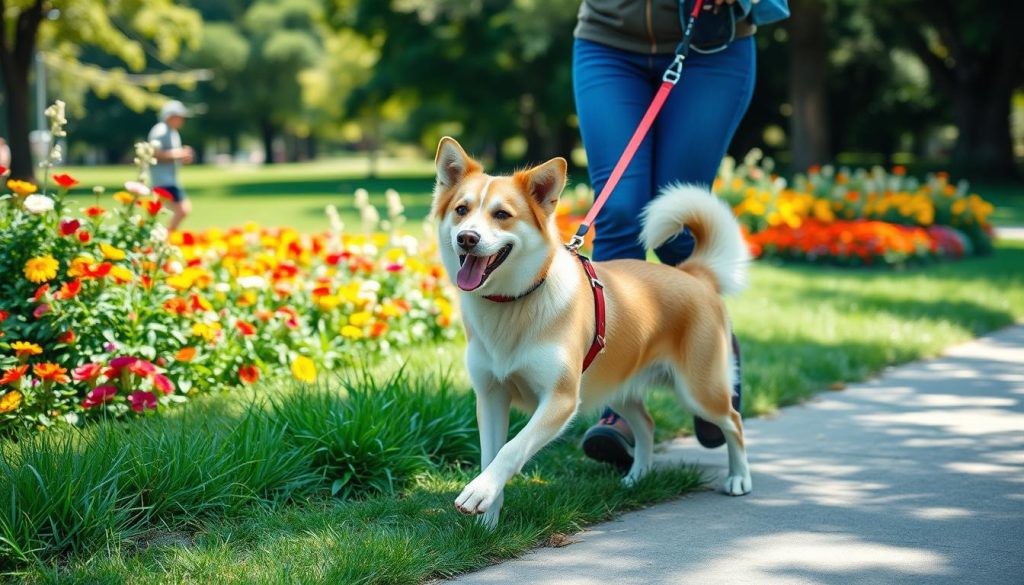
Stopping leash pulling is important. Use a strong command like “heel” to keep them in line. Practice in various places to help them understand, even with distractions.
Getting advice from dog behavior experts can help a lot. With consistent practice, walks will become smooth and fun for both of you.
Managing Aggressive Behaviors in Dogs
Dealing with dog aggression is tough, but knowing why it happens is key. Often, dogs act out due to fear, defending their territory, or seeking dominance. Spotting these signs early can prevent bites and other dangers.
Getting help from experts is vital. Animal behaviorists, like those from the American Veterinary Society of Animal Behavior (AVSAB), provide tailored plans. They help you use specific training methods to manage your dog’s aggression.
Teaching an aggressive dog to socialize needs care. Start by exposing them to safe places and then to different social settings. Remember, patience and steady effort are essential. With the right approach and expert advice, you can help your dog become more friendly and peaceful.
Behavior Modification Strategies
Changing a dog’s behavior can seem hard, but the right plan can make a big difference. First, you need to understand why your dog acts a certain way. Then, you can make a plan to change their behavior.

One key method is counterconditioning. This means changing how your dog feels about something. For example, if your dog hates the vacuum, you can make them associate it with good things like treats.
Desensitization is also important. It means slowly getting your dog used to the thing that scares them. Start with small steps and make it less scary.
Changing bad behavior takes time and patience. You need to be clear and consistent. Rewarding good behavior helps it stick.
Looking at what experts do can help. They share real-life examples of how these methods work. Following these steps can really change your dog’s behavior for the better.
Conclusion
As we finish this guide on mastering dog training, let’s celebrate your progress. You’ve learned about canine psychology, which helps you understand your dog better. This knowledge lets you communicate more effectively with them.
You’ve also learned the importance of positive reinforcement. You’ve explored crate training and tackled skills like leash training. You’ve even learned how to manage aggressive behaviors.
Your journey in dog training is truly special. It’s a lifelong learning experience that strengthens your bond with your dog. It builds trust and respect between you both.
Remember, being consistent and patient is key. Every effort you make helps your dog become well-behaved and happy.
Let’s celebrate your progress and look forward to more growth. Your hard work in training is priceless. It’s not just about good behavior, but also about building a loving relationship with your dog.
We encourage you to share your training successes and challenges in the comments. Community support is a powerful tool in our journey to master dog training.
Quick Recommendation: Our blog is filled with tips and tricks for training your puppy or dog. If you are seeking a comprehensive training program, we recommend K9 Training Institute.
BTW: If you are interested in everything from nutritional advice and natural health solutions to stress-relief techniques and overall wellness tips, check out our friends at PawfectlyHealthyPets.com.