
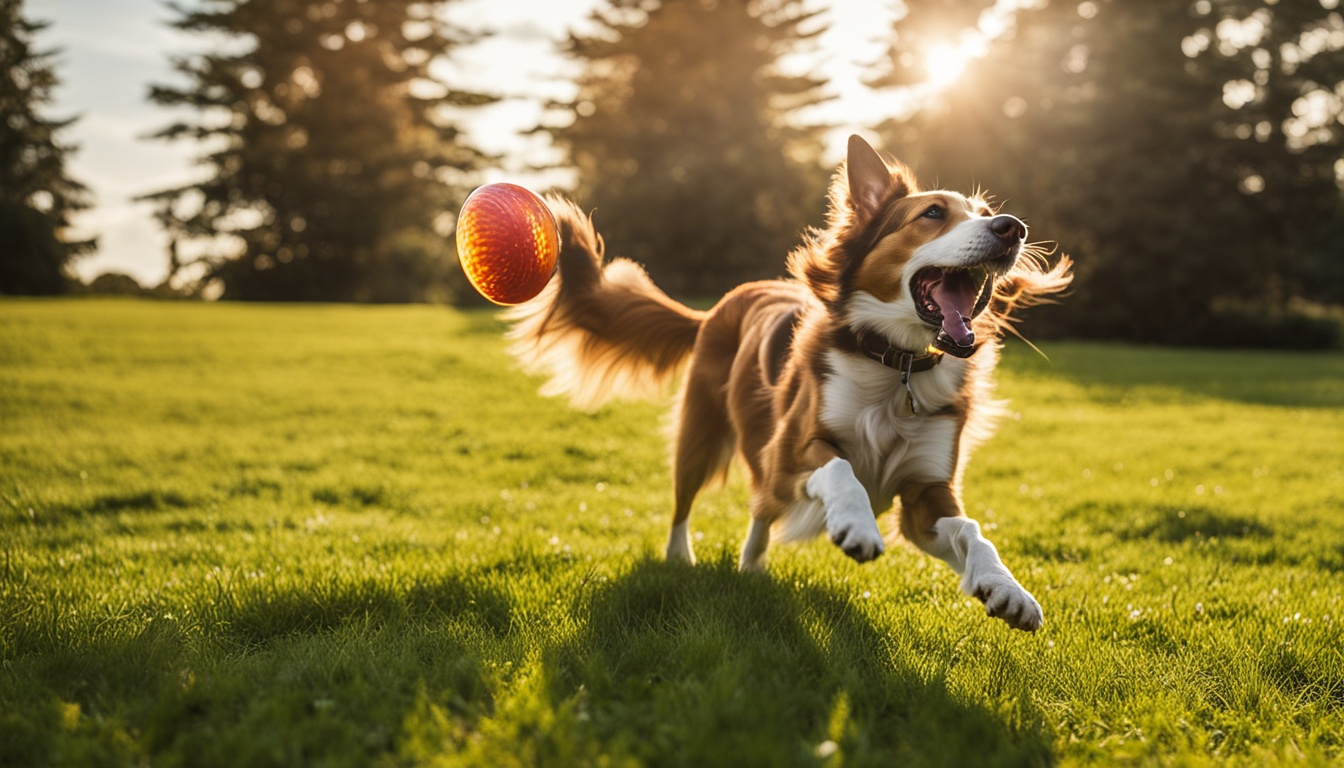
Have you thought about how teaching your dog tricks could make you closer to them? It’s a great way to keep them from being too loud or chewing things they shouldn’t. Tricks help create a strong bond between you and your dog.
Teaching your dog tricks isn’t just for fun—it’s a way to deepen your connection with them. Playing games and training tricks can be a rewarding way for you to enjoy time with your pet. This process is beneficial for both of you. It keeps your dog learning and active.
Starting with simple tricks like “sit” and moving to more complex ones, every dog can learn new things. As Sarah Hodgson says, using positive training methods makes learning tricks fun. Being patient and consistent is very important, though.
Teaching tricks can also calm a dog that’s too energetic. It offers a positive way for them to use their energy. These activities help establish a strong bond. This leads to a dog that is not just joyful but also well-behaved.
Let’s dive into the fun of dog trick training. Just a few minutes each day can make a big difference in how you and your dog get along!
Quick Recommendation: Our blog is filled with tips and tricks for training your puppy or dog. If you are seeking a comprehensive training program, we recommend K9 Training Institute.
Why Teach Your Dog Tricks?
Training your dog to do tricks is more than just fun. It keeps them mentally active and helps with training. This is good to keep them busy and well-behaved, especially during trips, shows, or when visiting the vet.

Teaching your dog tricks for daily tasks, like pottying on cue, can be a lifesaver in busy places. Trick training, done in short sessions throughout the day, helps your dog learn a little at a time. This boosts your dog’s mood and excitement for more training.
It also makes your bond stronger. Positive training helps dogs focus and stay calm in any situation. They also get more confidence by learning next to others, especially in classes. It’s a fantastic way for families, especially those with kids, to spend time with their pets.
You can even earn titles from the American Kennel Club through trick training. This includes levels like Novice, Intermediate, Advanced, and Performer. Any dog, whether purebred or mixed, can join, as long as they are at least nine months old.
Finally, teaching your dog tricks is great for both you and them. It gives your dog something fun to do and makes you a better trainer. This leads to a happier environment for everyone.
Getting Started with Basic Commands
Start with basic commands for good dog training. Use the tips and tricks from experts to make it work well. “Dog Tricks & Agility For Dummies” by Sarah Hodgson is a great book to learn from. It uses fun lessons and games to train your dog.

Teaching your dog to sit, stay, or come requires patience. Make each lesson fun for both of you. Keep sessions short, around five to ten minutes. This keeps your dog interested. Use tasty treats for good behavior.
Remember, all dogs can learn new things, not just young ones. For example, you can teach “speak” or “quiet” to stop barking. Simple tricks, like bowing, are fun and easy to learn.
Positive feedback is key. Give your dog treats, love, or play when they do well. This helps them know what’s right. Avoid being harsh. It’s not about scaring them, but helping them understand.
Teaching these basics will improve your bond. It’s a great first step for harder tricks later on. With love and patience, training will be a joy for both of you.
Teaching Your Dog to Sit
Teaching your dog to sit is key. It’s a primary skill that builds the foundation for more commands. This trick is vital for obedience and good behavior. By linking a natural sit to a cue, training becomes both effective and fun.
Being consistent is crucial. Set aside 15 to 20 minutes each day for training in a calm place. During these sessions, repeat the sit command 10 to 15 times. Doing this daily or spread throughout the day is best. Use treats to reward your dog, this approach helps learning stick.
Don’t force your dog to sit by pushing them down. This could confuse or make them unwilling to learn. Instead, use treats to guide them. Adding verbal and hand cues can make learning faster and enjoyable for you both.
Sit training is more than just following orders. It helps your dog learn to control their impulses. This is great for their health and keeps them safe. For example, teaching ‘sit’ helps stop them from running into harm’s way.
By teaching sit, you’re promoting good behaviors. Eventually, your dog will offer to sit on their own. They’ll learn that sitting is a good thing. Remember, to do this successfully, use patience, be consistent, and always reward good efforts.
For older dogs, like those with arthritis, learning sit may take more patience. Use lots of rewards and praise. This process will help improve your dog’s manners and the bond between you. It’s about making your pet happy and comfortable.
The Benefits of Teaching Your Dog to Roll Over
Teaching your dog to roll over goes beyond fun party tricks. It’s a great way to boost your dog’s range of motion. This comes in handy during check-ups at the vet. All you need is a dog eager to learn and some treats to start.

Start teaching fun commands like “roll over” early, maybe when your dog is just weeks old. It not only builds a bond but also deepens your friendship. Dogs love to see you happy and respond well to treats and your excited voice. It’s a great way to strengthen your connection, no matter your dog’s age.
But, not every dog is suited for this trick. It might be too much for very young pups, older dogs, or those not very active. Rolling over needs strong core muscles. So, watch for signs of your dog getting tired and try this on a soft surface. This is especially important for thinner breeds.
Dogs learn at different speeds. It might take some days for one, and a few weeks for another. Age, type of breed, and how much your dog has been trained before all play a part. Yet, sticking with it helps. Older dogs that have learned tricks before might catch on faster.
Training your dog isn’t just about teaching tricks. It also keeps them mentally engaged and well-behaved. Make the learning fun and rewarding. Soon, you’ll see your dog excited to show off their new skill: the roll over trick!
Quick Recommendation: Our blog is filled with tips and tricks for training your puppy or dog. If you are seeking a comprehensive training program, we recommend K9 Training Institute.
Mastering the Play Dead Trick
Teaching your dog to play dead is a rewarding adventure. It showcases the benefit of advanced dog commands. This trick impresses and improves your dog’s focus and response to commands. It’s a favorite trick, commonly used during grooming or vet visits to show off your dog’s skills.

Begin in a quiet, peaceful room with a soft surface. This prevents joint discomfort for your dog. Use their best treats as rewards. Be patient and consistent during training. Short sessions, a few minutes each day, work best due to dogs’ short focus.
Start by getting your dog to lie still. Increase the time gradually. Watch a 2-minute-and-25-second video, “How to Train Your Dog to Play Dead,” for tips. Use treats as rewards, but make sure your dog doesn’t roll over entirely. Consistently practice and encourage your dog for the best results.
Training your dog in tricks like these builds a stronger bond with your pet. It also means your dog is more focused, balanced, flexible, and obedient. Be sure to check your dog is comfortable and ready for training.
Avoid training after meals or when your dog is tired. Use treats your dog loves. Never get mad if they don’t get the trick right away. With time and encouragement, any dog can learn the play dead trick. This makes training fun and rewarding for both you and your pet.
Incorporating Dog Tricks into Daily Routine
Incorporating dog tricks into your daily routine is great for good behavior. Plus, it keeps your dog’s mind sharp. Daily dog training makes tricks come easily to your pooch. For example, having your dog potty on cue adds structure to their day. This can make daily tasks smoother.
Variety in routine dog tricks is like a workout for your dog’s brain. It keeps them sharp and strengthens your bond. A smart and connected dog is happier and behaves better.
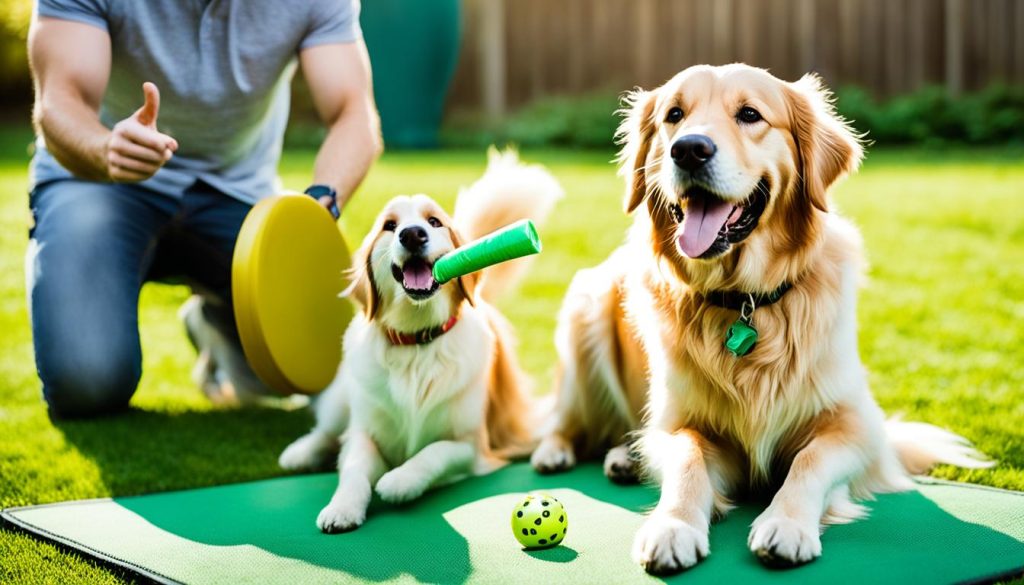
Training your dog in dog behavior management leads to better obedience overall. Trick-trained dogs behave well and follow orders quickly. Make sure to train them a little bit several times a day with rewards in between to keep them interested.
Consistent training practices are key to helping dogs learn and remember commands. Whether it’s a simple trick or something complex, stick with it. Being flexible in training, using tasty treats, and ending each session happily keeps your dog focused.
Quick Recommendation: Training your dog is just the beginning. Keep them safe an healthy with Pin Paws Pet Care. Our blog provides the training advice, and Pin Paws offers the protection your pet deserves.
Dog Tricks for Parties and Events
Dog tricks can make any event standout. They show off your dog’s skills and entertain your guests. Tricks like fetching and agility can make your party more enjoyable.
When teaching tricks, short sessions work best. You should train for ten minutes, using treats and a clicker or special words. Start with simple commands like “Shake hands” or “Spin”.
Repeating the training is key. With practice, dogs can learn tricks quickly. Use positive and patient methods to keep it fun for everyone.
These tricks not only entertain but also are good for your dog. They improve physical and mental health. They even boost the bond between you and your pet.
Working on tricks is great for you, too. It can help with stress. Plus, it makes any pet event more fun. So, start training and enjoy watching your dog shine.
Teaching Your Dog to Fetch
Teaching your dog to fetch is fun and active. Not all dogs naturally understand fetching. Some canines might be new to toys. But with the right tools and approach, you can make it work.
Start with different types of toys. Some dogs like balls, others like plush toys. For those not excited by toys, use ones with hidden food. Clicker training and tasty treats such as Zuke’s Mini Naturals Chicken treats or Blue Buffalo Blue Bits Tender Beef Recipe Soft-Moist Training Dog Treats are great.
Begin by teaching your dog to hold the toy. Reward their interest in it. Then, add fetch cues like “get it.” Keep the steps simple. Practice in small areas first, then parks. Even if your dog isn’t a natural, training can make it fun and beneficial.
Maybe your dog won’t love fetch, and that’s fine. There are other fun activities like interactive toys. These are great for their mind and body. In the end, making fetch fun for your dog makes it great for you, too.
Quick Recommendation: Our blog is filled with tips and tricks for training your puppy or dog. If you are seeking a comprehensive training program, we recommend K9 Training Institute.
BTW: If you are interested in everything from nutritional advice and natural health solutions to stress-relief techniques and overall wellness tips, check out our friends at PawfectlyHealthyPets.com.