
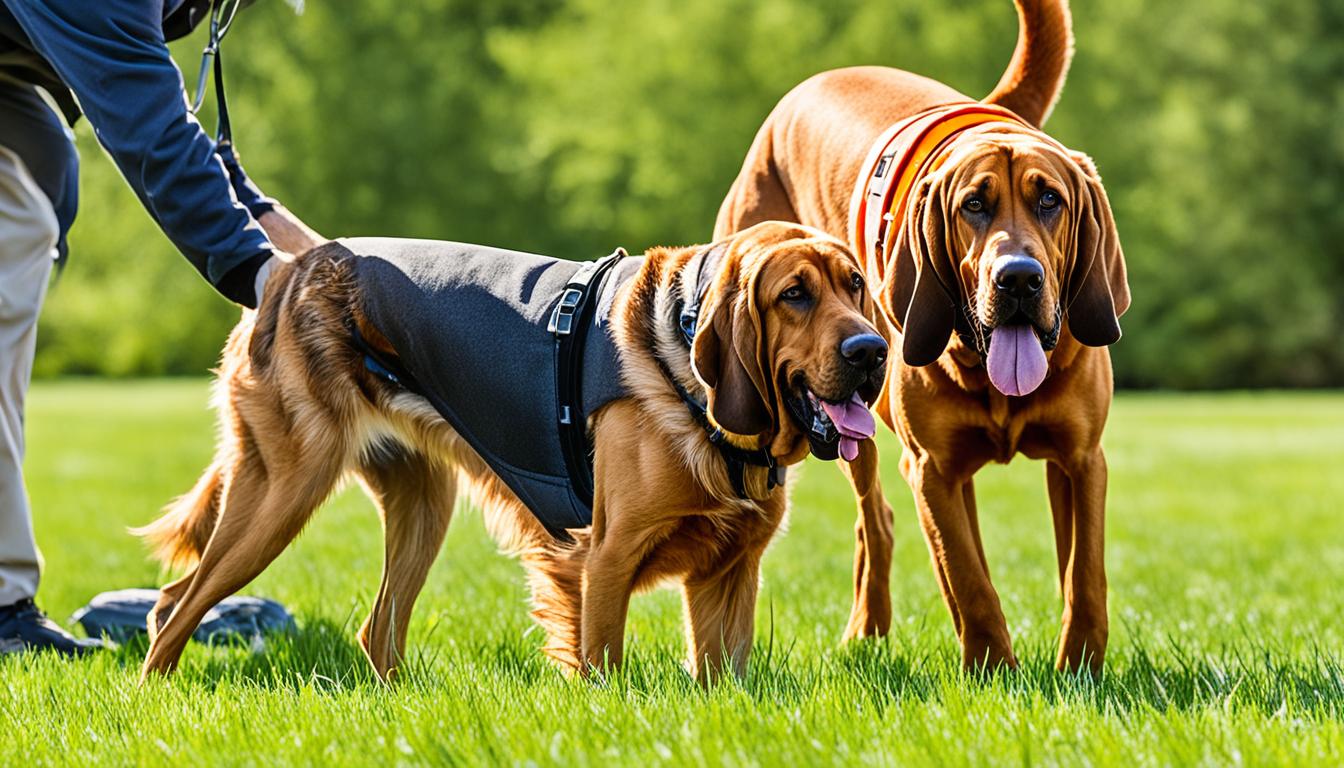
Have you ever thought your dog’s nose could do more than just sniff around the backyard? What if we told you that Scent Work Training could boost their mental stimulation, confidence, and your bond with them? , where sniffing turns into exciting challenges.
Scent work is based on what professional detection dogs do. It’s now a fun sport for any dog, thanks to groups like the American Kennel Club (AKC). If you want to keep your pet’s mind sharp or find a new hobby, Canine Scent Games are perfect. They’re full of benefits and lots of fun.
Quick Recommendation: Our blog is filled with tips and tricks for training your puppy or dog. If you are seeking a comprehensive training program, we recommend K9 Training Institute.
Introduction to Scent Work
Scent Work, also known as Nose Work, is a fun and enriching activity. Dogs learn to find specific scents, similar to professional detection dogs. It’s a great way to keep dogs engaged and mentally sharp at any age.
Your dog uses their amazing sense of smell to find items with certain scents. AKC Scent Work has two main parts: Odor Search and Handler Discrimination. The Odor Search uses four main scents – Birch, Anise, Clove, and Cypress – which are key to your dog’s training.
This sport is both enjoyable and rewarding for dogs and their owners. Birch essential oil is a common scent used. Trainers put two drops of oil on a cotton swab, then put it in a glass jar until it’s time to train. It’s important to use tweezers and gloves to keep the scent fresh.
To get your dog started, use treats they love. At first, you can hide the scent in a lidded container with holes. Make sure to give your dog the treat right at the scent source. This helps them link the smell with the reward.
As you move forward, your dog must quickly identify the scent from each hand. They need to do this three times in a row. Courses like the 6-week online class by Dianna L. Santos help you and your dog learn step by step. This method uses K9 Nose Work® training and offers a detailed Scent Work Glossary for free.
Scent Work is perfect for dogs that need to stay active and sharp mentally. It’s great for dogs moving from agility sports or those needing to overcome shyness or reactivity. This activity boosts confidence and is rewarding for both you and your dog.
Benefits of Scent Work for Dogs
Scent work is a fun activity that helps dogs in many ways. It keeps their minds sharp and stops them from getting bored. Dogs have a much better sense of smell than humans do. They use this skill in scent work to stay mentally fit.
This activity also helps build your dog’s confidence. As they learn to find different scents, they feel more confident. This confidence shows in their behavior and how they interact with others.
Scent work is great for your dog’s sense of smell. Dogs have many more smell receptors than humans do. This makes scent work very important for them.
It’s a sport that welcomes all dogs, including mixed breeds. You can do it at home, in the yard, or at the park. It’s easy to start and can be done in different places.
Scent work also makes dogs think more logically and keeps them active. It’s a sport that dogs of all ages and abilities can do. It stops them from getting bored and acting out. Plus, it makes your bond with your dog stronger.
Getting Started with Scent Work Training at Home
Starting *Scent Work Training at Home* is a great way to use your dog’s amazing sense of smell. Dogs have 300 million sensory receptor sites, while humans have 6 million. This makes their sense of smell 50 times stronger than ours.
The American Kennel Club (AKC) offers easy steps to start *AKC Scent Work* with items you likely have at home. It’s perfect for both new and experienced dog owners. This *DIY Scent Work* not only keeps your dog active but also helps shy or fearful dogs gain confidence.
Use everyday items like birch oil, thyme, or catnip to teach your dog different smells. Start training in a quiet room, then make it harder by moving to different spots and adding more challenges.
Training can include games like hide and seek with treats or finding hidden toys. Keeping it fun and easy helps your dog enjoy the process. It also keeps their mind sharp and strengthens your bond.
Any breed, including short-nosed dogs like Pugs, can do well in scent work. You just need patience, creativity, and some basic items to begin *Scent Work Training at Home*. This journey will make your life and your dog’s life richer, building a stronger bond between you.
Quick Recommendation: Our blog is filled with tips and tricks for training your puppy or dog. If you are seeking a comprehensive training program, we recommend K9 Training Institute.
Essential Gear for Scent Work
To start with Scent Work, you’ll need some basic gear. Here’s a list of must-haves for your training.
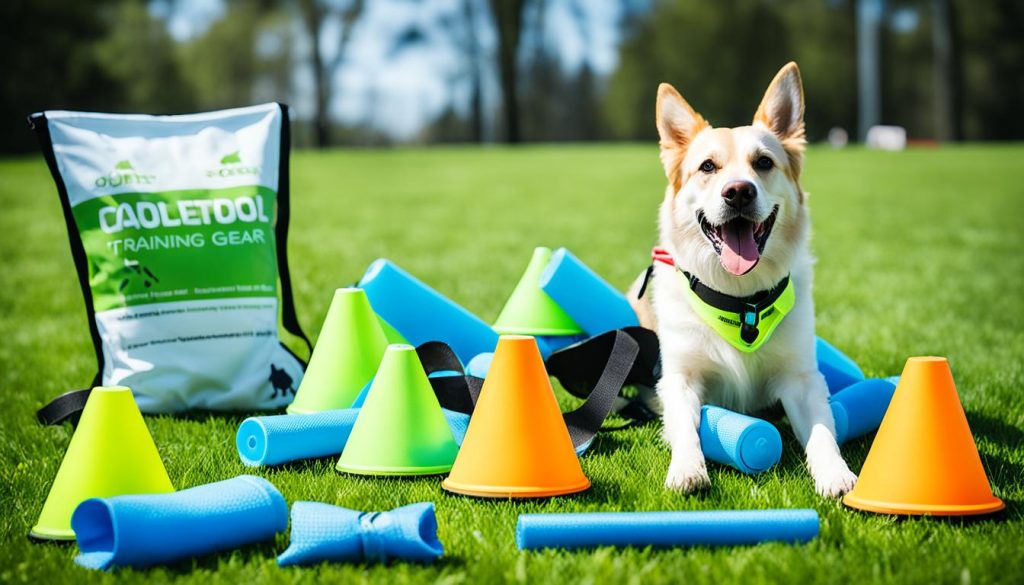
Cotton swabs are crucial. They have an Amazon rating of 4.4 out of 5 stars from 220 reviews, costing just $7. They’re great for picking up scents from essential oils.
Essential oils are key for scent training. Birch essential oil gets a 4.5-star rating on Amazon and is priced at $8. Clove essential oil, with a 4.6-star rating from over 936 users, also costs $8. Cypress essential oil, rated 4.3 stars with over 34,000 reviews, is also $8. Anise essential oil, with a 4.3-star rating despite fewer reviews, costs $7.99.
Good containers are also necessary. A set of 25 glass jars and lids, rated highly on Amazon for $25, is perfect. For smaller scents, metal tins are a good option, priced at $9 and liked by 30 customers.
Tweezers are a must for handling scent items. They’re just $4 and have been well-reviewed by three Amazon customers.
Outdoor activities might need a 10-foot dog leash, rated 4.2 out of 5 stars from 15 reviewers at $11. A sport dog harness costs $35. A waterproof scent work carrying case, liked by all five Amazon reviewers, is $22.
The AKC Scent Work Kit is a great all-in-one option. It includes four target odors, cotton swabs, a magnetic tin, eye droppers, and vials. This kit is known for its quality and ease of use.
Step-by-Step Guide to Teaching Your Dog to Identify Scents
Teaching your dog to recognize scents can be fun and rewarding. Here’s a guide to help you and your dog get started.
Step 1: Introduce the Scent
Choose a scent like birch, anise, or clove oils. Make sure they’re safe for dogs and use them sparingly. Let your dog sniff the scent from a cotton swab. Give them a treat right away to link the scent with something good.
Step 2: Hand Scent Training
Hold the scented item for your dog to sniff. Reward them with a treat and praise when they find the scent. Do this a few times in short sessions to keep it fun and not too much.
Step 3: Container Scent Training
Put the scented item in a scent tin or box. Show it to your dog in a new place to keep things clear. Use commands like “search” or “find” to help them find the scent. Give them a reward when they pick the right container.
Step 4: Searching in Different Locations
Hide the scent in various spots around your home or yard. This makes the training harder and helps your dog use their nose better. Start with a few distractions and keep training short to keep your dog interested.
Practice often, as dogs use their nose more than their eyes. Scent work is a natural behavior for them, like searching for food. It’s great for their mind, helps with anxiety, and uses up their energy. Plus, it’s a fun way to bond with your dog.
Quick Recommendation: Training your dog is just the beginning. Keep them safe an healthy with Pin Paws Pet Care. Our blog provides the training advice, and Pin Paws offers the protection your pet deserves.
Advanced Scent Work: Moving Beyond Basic Training
Advanced Scent Work Training takes you beyond just finding scents. It’s about tracking and searching with precision, even with distractions. You need a strong foundation in your dog’s hunt drive and how to read their behavior. Understanding their signals is key.
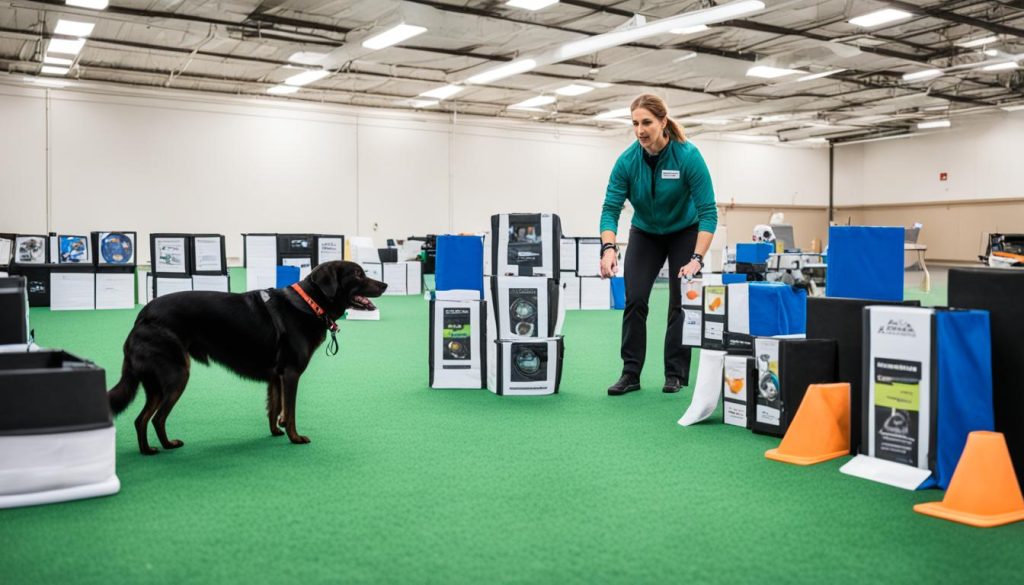
Handlers need to know when to reward their dogs and be patient. It’s important not to focus too much on just sitting still. Instead, try different training methods like shaping behavior and teaching your dog to focus.
Don’t start with too much passive alert training. It can lead to frustration or false alerts. Make sure your dog knows that finding the scent means a big reward. This takes patience and consistency from you to keep your dog motivated.
Trying different training methods is a good idea. There’s no single way that works for everyone. To teach your dog to hunt for scents, practice a lot. Use various start line routines and activities to help them learn.
Using items like gloves and cotton balls with different scents helps your dog learn. Different scent carriers like q-tips or socks are also useful. Glass or ceramic containers make the scent clearer for your dog.
Setting up scenarios with only distraction items is important. It helps your dog understand the difference between the scent they’re tracking and other scents.
Quick Recommendation: Our blog is filled with tips and tricks for training your puppy or dog. If you are seeking a comprehensive training program, we recommend K9 Training Institute.
Scent Work Games and Activities
Dogs use their sense of smell to understand the world. Playing Canine Scent Games with your dog is rewarding and fun. These games are great for dogs of all ages, from puppies to seniors. They provide mental stimulation and let dogs use their amazing sense of smell.
Start by setting up a search for something your dog loves, like food. For a bigger challenge, have a friend hide the scent while you’re away. This makes the game more exciting and helps your dog’s tracking skills.
Begin with simple games like finding food or hide and seek. Then, move on to more complex trails with essential oils like birch for competitions. Dogs can also enjoy scents like lavender, anise, and valerian to keep their senses sharp.
Games like the shell game and finding dinner are excellent for keeping dogs busy. They improve their tracking skills and prepare them for Nosework Sports. Fun Scent Work also lets you and your dog join local tracking clubs and classes.
Scent games are safe and easy, making them perfect for puppies, seniors, or dogs recovering from illness. The National Association of Canine Scent Work can connect you with local instructors. Enjoy these games to strengthen your bond with your dog and make their life more interesting.
Scent Work Training Tips
Starting scent training? Keep these tips in mind for success. Always use gloves and tweezers to keep the scent clean. This keeps your training focused and helps your dog learn the right smells.
Try new scents in different places to keep your dog interested. This way, your dog learns to focus on the smell, not the spot. Experts recommend changing training spots often.
It’s important to dispose of scent items properly. Leaving them out can confuse your dog and mess up training. Start training with dogs that love treats or toys. Their excitement makes learning easier.
Keep training sessions short, about 10 to 15 minutes. This length prevents overwhelm and keeps your dog happy to learn more. Follow these tips for better results and a stronger bond with your dog.
Common Challenges and How to Overcome Them
Scent Work training can be filled with challenges that slow down your dog’s progress. Dogs might get distracted or not find the scent correctly. To overcome these issues, keep training sessions short and fun. Make sure the exercises match your dog’s skill level to keep them interested.
Short training sessions of 10-15 minutes help keep your dog’s attention. A safe, distraction-free space is also key for learning. This lets your dog focus on the task without getting sidetracked.
Using complicated words can confuse both handlers and dogs. Keep your training simple and use clear rewards. Rushing through basic skills can harm progress. Dianna L. Santos, with over twelve years of experience, stresses the need for a solid foundation before moving on.
Set goals that fit your dog’s abilities and adjust as needed. Consider how different breeds learn and what they’re good at. For instance, Bloodhounds and Beagles excel at sniffing and may need special training.
Always prioritize your dog’s safety during training. Check the environment for risks and make sure it’s safe. Remember, each dog learns at their own pace. Some might pick it up fast, while others need more time and patience.
By tackling these common challenges and solving problems, you’ll have a better chance of a successful scent work journey with your dog.
Conclusion
Scent Work is a fun and rewarding activity for dogs and their owners. It’s great whether you’re doing it for fun or competing in trials with groups like the AKC Scent Work or the National Association of Canine Scent Work. This activity is key to enriching your dog’s life by giving them mental stimulation, building their confidence, and reducing stress.
Bloodhounds, German Shepherds, Labrador Retrievers, and Belgian Malinois are great at sniffing out scents. But any dog can join in, no matter their age, breed, or size. It’s a sport that’s open to all. When training, you might use essential oils like birch, anise, and clove. Make sure to use them safely to keep your dog safe.
Doing Scent Work helps dogs and their owners grow closer through teamwork and shared goals. Training sessions are short, lasting 10 to 15 minutes, to keep your dog interested and effective. This method not only makes your dog’s life more interesting but also boosts their confidence and overall happiness. Scent Work is great for professional tasks like search and rescue or just for fun. It shows how rewarding and beneficial this activity can be. Start your scent work journey and see your dog flourish!
Quick Recommendation: Our blog is filled with tips and tricks for training your puppy or dog. If you are seeking a comprehensive training program, we recommend K9 Training Institute.
BTW: If you are interested in everything from nutritional advice and natural health solutions to stress-relief techniques and overall wellness tips, check out our friends at PawfectlyHealthyPets.com.