

Welcome to the ultimate guide on dog training! Whether you’re a newbie or looking to improve your dog’s skills, this is the place for you. You’ll learn essential training techniques here. These methods help build a great relationship with your dog. We’ll give you practical, easy-to-follow steps for training.
Training your dog combines art with science. With the right approach and a little patience, you can be a dog training expert. We will go through commands and tricks for all dog types and sizes. Get ready to make your furry friend the best-behaved pet around!
Quick Recommendation: Our blog is filled with tips and tricks for training your puppy or dog. If you are seeking a comprehensive training program, we recommend K9 Training Institute.
Understanding Your Dog’s Behavior
Learning about your dog’s behavior is key. Each wag, bark, and whimper is part of how they communicate. By understanding canine psychology, you get closer to knowing what your dog thinks.
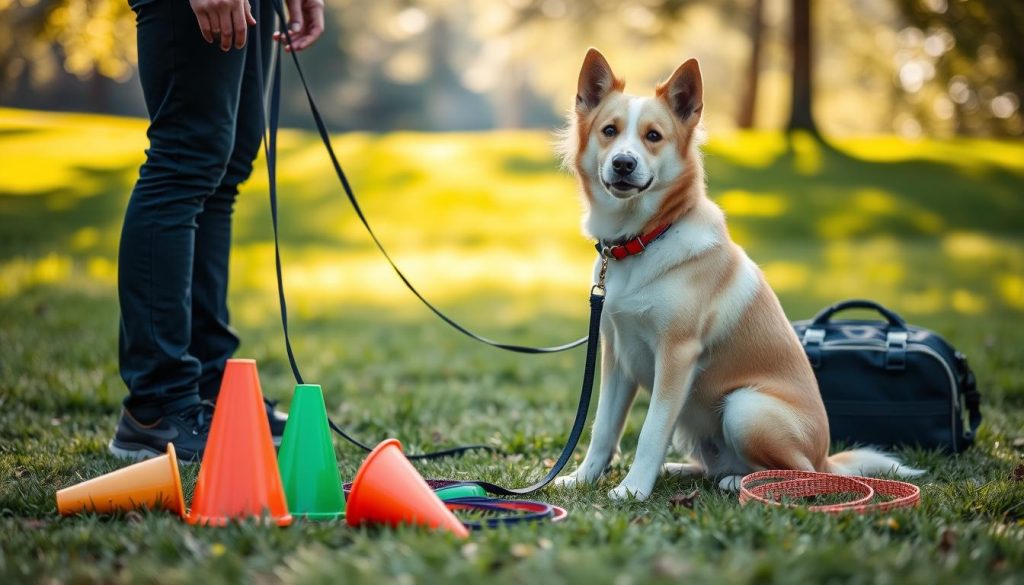
To train your dog well, notice their body language and sounds. Dogs show feelings with their posture, tail, and eyes. Watching these signs helps you see if they’re scared, happy, or relaxed.
Dogs are natural pack animals and look for a leader. In training, you need to be that leader, but kindly. This builds trust and makes training more effective.
Every dog is different, and knowing this makes training better. Some dogs like praise, while others might need clear rules. Understanding these needs helps strengthen your bond and improves learning.
Training your dog requires patience, steadiness, and understanding their mind. Learning from your dog’s actions builds a deep connection. Next, we’ll look at how professional training tips can benefit both you and your dog.
Benefits of Professional Dog Training Tips
Professional dog training tips can really help you manage your pet better. They are great for fixing tough problems like too much barking or aggression. These tips aim to build good habits, making training fun and successful.
When you use advice from certified trainers, you and your dog get along better. Learning about your dog’s way of thinking helps you meet their needs. This can stop issues before they get big.

One main advantage is that these tips can be customized for your dog. The training fits your dog’s own personality and breed. This makes training go smoothly and becomes a rewarding experience for both of you.
Effective Dog Training Methods You Should Know
Learning about effective dog training methods is key for dog owners. Today’s best methods blend old-school tactics with new, scientifically supported ones like positive reinforcement and reward-based training. These methods are loved for being kind and effective. They help you build a solid relationship with your dog.

Positive reinforcement rewards dogs for doing what you want. Rewards can be treats, praise, or play. It tells your dog good behavior brings good things. Dogs then repeat these good behaviors. For instance, if sitting earns a treat, your dog will likely sit more often.
Reward-based training also focuses on rewarding good actions. It avoids punishing bad behavior. Instead, you might ignore or redirect it. This method stresses positive vibes instead of negative ones. By doing this, good behaviors are reinforced without being harsh.
Knowing when to use each method matters. For simple commands like “sit”, positive reinforcement works well. For complex behaviors or fixing issues, you might need different effective dog training methods.
With these advanced, kind techniques, training becomes fun and rewarding. Trying out various methods can help find what’s best for your dog. So, don’t hesitate to mix it up.
Step-by-Step Dog Training Instructions for Beginners
Training your dog is exciting but can feel a bit overwhelming. Our simple plan focuses on basic commands to start you off right. It’s designed to make your first steps into training smooth.
First, the key is consistency. Always use the same words and reward system. For example, say “sit” every time and give a treat or praise when your dog sits.
Then, teach the “stay” command. Ask your dog to sit, say “stay,” and step back slowly. Increase the distance and time gradually. Reward your dog for staying put.
Short, regular training sessions are crucial. Keep sessions 5-10 minutes long, several times a day. This prevents your dog from getting overwhelmed and helps them remember the training.
For leash training, start off with short, enjoyable experiences. Use treats to keep your dog motivated. This builds their confidence and applies the training in real-life situations.
Be patient and keep a positive attitude during training. Celebrate every small win. Remember, dogs can sense your frustration, which can slow down their learning.
Following our step-by-step dog training guide will build a strong training foundation for your dog. Being patient and consistent from the start will prepare you and your dog for future training success.
Quick Recommendation: Our blog is filled with tips and tricks for training your puppy or dog. If you are seeking a comprehensive training program, we recommend K9 Training Institute.
Advanced Training for Dogs: Beyond Basic Commands
Advanced training takes your dog’s skills further than simple commands. It enhances their brain power and offers new mental challenges. Whether it’s agility, search and rescue, or therapy work, advanced training is thrilling for your dog.
Starting with complex commands is a great choice. These are not just about memory; they make your dog think and be creative. For instance, teaching them to know left from right boosts their navigation. Other commands could involve fetching specific items or doing a sequence of tasks, challenging them mentally.
Advanced training also means fun activities and games. Agility courses are super for this. They need your dog to be quick and agile, navigating hurdles, tunnels, and poles. This tests their speed and listening skills in a fun way.
Scent work is another amazing part of advanced training. It uses your dog’s strong sense of smell for search and rescue missions. This keeps their mind sharp. Plus, it strengthens your bond through trust and teamwork.
Training a therapy dog is also a special path in advanced training. Therapy dogs learn to be calm and supportive in various places. This requires your patience and a good grasp of your dog’s behavior.
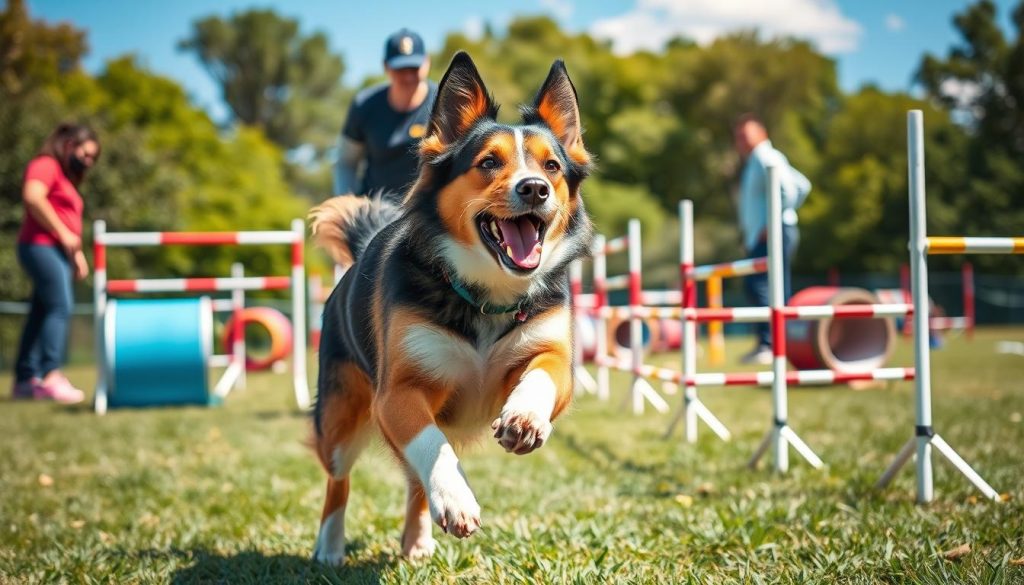
Moving beyond basic training strengthens your bond with your dog and improves their abilities. Embrace this journey and see how your dog’s talents grow.
Best Practices for Dog Obedience Training
Good dog training starts by being consistent. Use the same commands, routines, and rewards. This consistency helps your dog understand and remember their lessons. A solid foundation in training is crucial for your pet’s learning.
Being patient is also essential. Dogs, like humans, take time to pick up new habits. Treats, praise, or play motivate them to listen to you. This approach not only promotes good behavior but also strengthens your bond.
Correcting behavior should be gentle. Harsh punishments can break trust and slow progress. Say “no” firmly, then show them what to do instead. Repeating and rewarding good actions lead to lasting obedience.
Using these training tips leads to a happy, well-behaved dog. You will notice better behavior over time. This makes your relationship more enjoyable for both of you.
Successful Dog Training Strategies from Experts
Learning from those who know successful dog training strategies well can change how you train. Applying expert advice lets you customize your approach to fit your dog’s nature and needs. It’s vital to create custom training plans considering your dog’s age, breed, and mood.
Pro trainers stress the need for consistency and patience. With regular practice using these successful dog training strategies, you’ll see your dog improving. Cesar Millan, the famous “Dog Whisperer,” suggests staying calm and in control. On the other hand, trainers like Zak George believe in rewarding good behavior and making training enjoyable.
Using these custom training plans helps you match your dog’s learning speed and likes. This means whether your dog is tough to manage or gets too excited, using the right method matters. By taking advice from these pros, your bond with your dog will grow stronger. You’ll also see effective, lasting results from your training efforts.
Conclusion
As we end our detailed guide, let’s think about all the helpful strategies and insights gained. Learning how your dog thinks is key to training them well. This guide showed us how using expert training tips greatly helps. It builds a strong, loving bond between you and your pet.
The training methods we covered give you many tools. These tools help with everything from simple commands to more advanced ones. By following our steps, even beginners can train their dogs with confidence. Remember, being patient and staying consistent are crucial for success.
We also looked at the best ways to teach dog obedience and expert tips to improve your training. Using these methods together helps you face any training challenge. Your hard work pays off with a well-behaved, happy dog. You’ll feel proud of how you’ve helped your pet. So, embrace what you’ve learned and enjoy your journey with your dog.
Quick Recommendation: Our blog is filled with tips and tricks for training your puppy or dog. If you are seeking a comprehensive training program, we recommend K9 Training Institute.
BTW: If you are interested in everything from nutritional advice and natural health solutions to stress-relief techniques and overall wellness tips, check out our friends at PawfectlyHealthyPets.com.