

In the world of dog behavior training, a strong foundation is key. Teaching your dog basic commands helps them communicate better with you. It also makes your relationship with them more harmonious. The term “Command Performance” means a structured way to teach your dog basic obedience.
Experts like the American Kennel Club and skilled trainers support this method. They show how a well-trained dog can make life easier and more fun for you and your pet.
If you’re new to pet ownership or want to improve your training skills, start with the basics. Learning how to teach dog commands is the first step to a well-behaved dog.
Quick Recommendation: Our blog is filled with tips and tricks for training your puppy or dog. If you are seeking a comprehensive training program, we recommend K9 Training Institute.
Understanding the Basics of Dog Training
Training your dog is rewarding, but it begins with key principles. It’s all about being consistent, timing your actions well, and being patient. Once you understand these, you’re ready to start your training journey.
Experts say it’s vital to know how dogs learn. Dogs do best in places with clear rules and a set routine. Setting achievable goals and keeping a steady training schedule is key. This is a basic part of teaching your dog obedience.
It’s important to make learning positive. Use rewards like treats, praise, or play to encourage good behavior. These methods are key to successful dog training, as pros use them too.
It’s important to understand your dog’s behavior. Dogs communicate in ways we might not catch at first glance. By watching their body language and how they react to commands, you can improve your training. Keeping these principles in mind helps build a strong foundation for your dog’s learning.
Essential Commands for Every Dog
Learning basic dog commands is key to making your dog a well-behaved family member. These commands are crucial for safety and control in your daily life. Let’s explore the basic commands every dog should know.

The ‘sit’ command is a great first step in training your dog. Hold a treat near your dog’s nose and move it up, so his head follows and his bottom lowers. When he sits, say ‘sit,’ give him the treat, and show him love.
The ‘stay’ command is also very important. Start with your dog sitting. Hold your palm out and say ‘stay.’ Take a few steps back. If he stays put, give him a treat. Then, slowly increase how far and how long he has to stay.
The ‘come’ command is key for your dog’s safety. Use a leash and squat down, saying ‘come’ while pulling the leash a bit. When he comes to you, give him a treat and lots of love. Practice this often, even without a leash, for the best results.
Teaching your dog the ‘down’ command helps manage his energy. Begin with him sitting. Hold a treat near his nose and move it to the floor, palm down. He’ll follow the treat and lie down. Say ‘down,’ give him the treat, and praise him.
The ‘heel’ command is essential for walks and outings. Hold a treat and say ‘heel’ as you walk. Reward him for staying close and walking with you. Keep practicing to make this command strong.
Guide Dogs for the Blind and the United States Dog Agility Association stress the value of these commands. Learning these skills will better your dog’s behavior and strengthen your bond. Remember, practice is key, so keep up with these commands.
Positive Reinforcement Training: The Key to Success
Positive reinforcement training is a top way to teach your dog good habits. It uses treats, praise, and play to make learning fun. This method is backed by experts and studies in the Journal of Veterinary Behavior.
This approach helps build a strong bond with your dog. When your dog links good actions with rewards, they’ll want to do it again. It works for simple and complex behaviors, needing patience and consistency.
Starting positive reinforcement is easy. Use simple commands like “sit” or “stay” and reward your dog with treats or praise. As they learn, you can use praise and affection more often instead of treats.
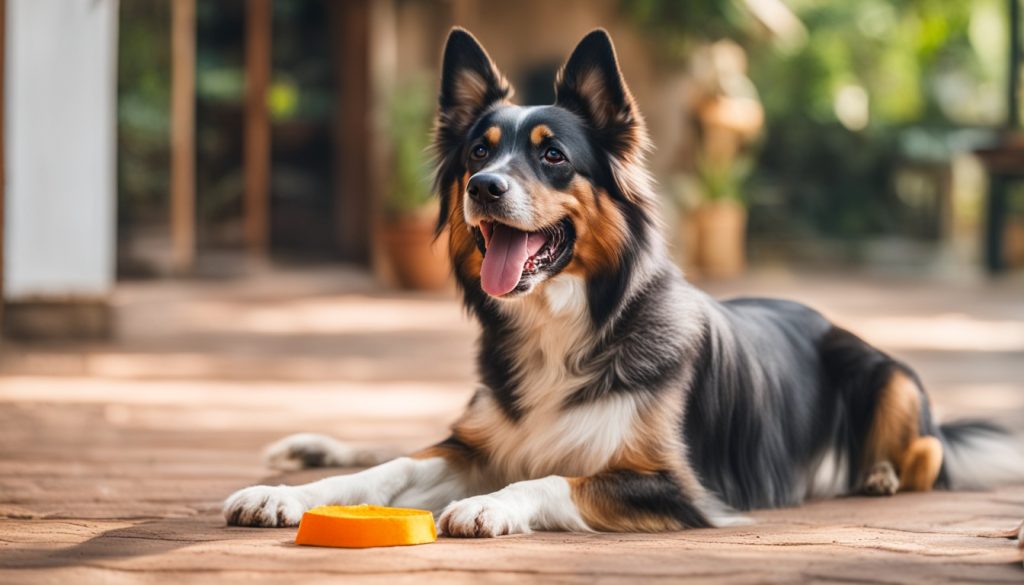
Know what motivates your dog too. Some dogs like treats, others prefer toys or playtime. Use what gets them excited to make training fun for both of you.
Changing your dog’s behavior takes time and patience. Positive reinforcement shapes good habits and lowers fear and anxiety from harsh training. Choose this kind, effective method for a happy, well-behaved dog.
Troubleshooting Common Training Problems
Training your dog is a big task, and you might run into some common problems. One big issue is keeping their focus. Dogs, like people, can get easily distracted by lots of things around them. The best way to solve this is to pick a quiet place for training. This way, your dog can pay attention to you better.
Another problem you might see is stubbornness. Some dogs are naturally more stubborn and don’t want to learn new things. It’s key to be patient and keep training the same way. Use positive methods like treats and praise when they listen, to help them learn.

Overexcitement is also a big challenge in training dogs. Too much energy makes it hard for them to calm down and listen. Before training, do something fun to help them use up their energy. A quick walk or a game of fetch can calm them down, making training easier.
Always watch how your dog is feeling and acting during training. If they seem confused or upset, slow down and change how you’re doing things. Sometimes, just a small change can make a big difference. Look at advice from experts like the Association of Professional Dog Trainers for more help. By tackling these problems early, you can make sure your training goes well and your dog behaves better.
Important Tip: Training your dog is just the beginning. Keep them safe an healthy with Pin Paws Pet Care. Our blog provides the training advice, and Pin Paws offers the protection your pet deserves.
Using Dog Obedience Classes to Your Advantage
Signing up for dog obedience classes brings many benefits for you and your dog. One key advantage is socialization. Your dog will meet other dogs and people in a safe setting. This helps them behave well in different social situations.
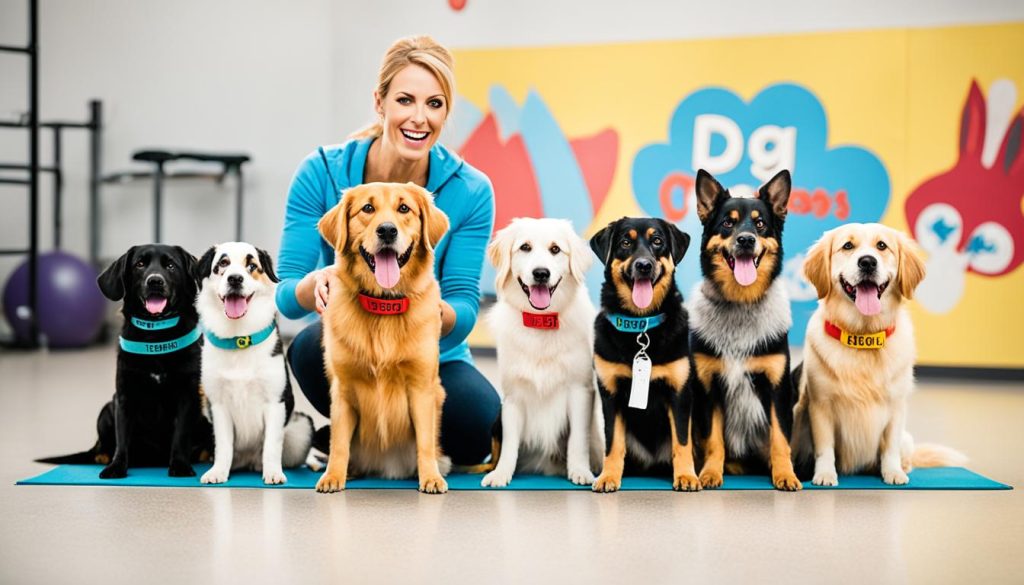
Professional dog training means getting help from experts who know the best methods. They offer advice that fits your dog’s needs and problems. Schools like Petco and the American Kennel Club are trusted, so you can feel confident in their programs.
Classes also have a structured schedule. This helps dogs learn and remember commands better. Plus, training with other dogs helps them pay attention even when there are distractions. This makes them better at following commands anywhere.
Finding the right class can be hard. Check out reviews from other dog owners who took the classes. Make sure the class suits your dog’s personality and your goals. Look for classes with clear instructions, supportive trainers, and a place where you and your dog can grow together.
Incorporating Training into Daily Life
Training your dog needs a consistent approach that fits into your daily life. Try to make training a normal part of your day. This way, your dog will learn commands easily and naturally.
Begin by dedicating a few minutes each day to practice simple commands like “sit,” “stay,” and “come.” Doing this every day helps your dog remember and understand what you want. You can add these commands to everyday moments. For instance, ask your dog to “sit” before you give them their food or a treat. This links obedience with rewards.
Training can also happen during walks. Use this time to practice commands like “heel” or “leave it.” These commands keep your dog focused and obedient, even when there are distractions. Training during walks makes it a natural part of your routine.
Experts from the American Kennel Club (AKC) recommend using consistent cues and positive reinforcement for teaching new behaviors. They stress the need for ongoing training, not just short sessions. Being consistent and patient is crucial for long-term obedience and better behavior.
Combining training with everyday activities makes it easier and more enjoyable. Whether it’s during meals, play, or walks, these small lessons add up. Stick with your daily training routines, and you’ll see big improvements in your dog’s behavior over time.
Quick Recommendation: Our blog is filled with tips and tricks for training your puppy or dog. If you are seeking a comprehensive training program, we recommend K9 Training Institute.
Advanced Commands and Tricks
Advanced dog training takes your dog’s skills to the next level. It includes teaching complex tricks and high-level obedience commands. This not only strengthens the bond between you and your pet but also keeps them mentally sharp.
Start with the ‘roll over’ command for advanced training. Use a treat to get your dog into a down position. Move the treat around their head to make them roll over onto their back and then the other side. Always give them a treat and praise when they do the trick.
The ‘play dead’ command is another fun trick for your dog. It’s great for dogs who know basic commands well. Begin with your dog lying down. Use a treat to make them roll onto their side, and say ‘play dead’ as they follow. Keep practicing and rewarding them to link the action with the command.
‘Fetch’ is a fun command that mixes movement with obedience. It’s also great exercise. Start by showing your dog a toy and throwing it a little way. Call them to fetch it with the command ‘fetch.’ Reward them when they bring it back to keep the game fun and reinforce the behavior.
These advanced training ideas challenge your dog and keep them active. It’s more than just teaching tricks; it’s a way to deepen your bond with your pet. Through consistent practice and high-level obedience commands, you’ll strengthen your relationship.
Patience and Persistence: The Golden Rules of Training
Training your dog requires patience and persistence. Success doesn’t come quickly, but through steady effort and dedication. Cesar Millan, a well-known trainer, stresses the importance of knowing your dog’s learning speed. It’s key to work with them, not against them.
Picture teaching your dog a new command. They might not catch on right away, which can be tough. But, staying patient can greatly improve things. Every small success is a reason to celebrate.
Research shows dogs do better with training when owners stay calm and persistent. Using positive reinforcement with persistence can lead to big improvements. Your dog relies on you for guidance. Be consistent, kind, and patient with them.
Every dog is different, so what works for one might not work for another. Adjust your training to fit your dog’s personality and celebrate the small wins. With patience, persistence, and consistent training, you’ll build a strong bond with your dog.
Conclusion
As we wrap up our guide, let’s think about the journey of teaching your dog important commands. We’ve covered a lot, from the basics of dog training to how to use those lessons every day. This guide is full of techniques to help you and your dog do well together.
Teaching your dog to sit, stay, and come is crucial for a well-behaved dog. Positive reinforcement is key, making learning fun and rewarding for both of you. It’s a way to make sure your dog links good behavior with treats.
In the end, remember that patience and persistence are essential. Celebrate the small wins and see each training session as a step towards your goals. The bond you create with your dog is priceless. It shows how rewarding teaching your dog can be. Keep these tips in mind and enjoy the journey of building a strong relationship with your furry friend.
Quick Recommendation: Our blog is filled with tips and tricks for training your puppy or dog. If you are seeking a comprehensive training program, we recommend K9 Training Institute.
BTW: If you are interested in everything from nutritional advice and natural health solutions to stress-relief techniques and overall wellness tips, check out our friends at PawfectlyHealthyPets.com.