
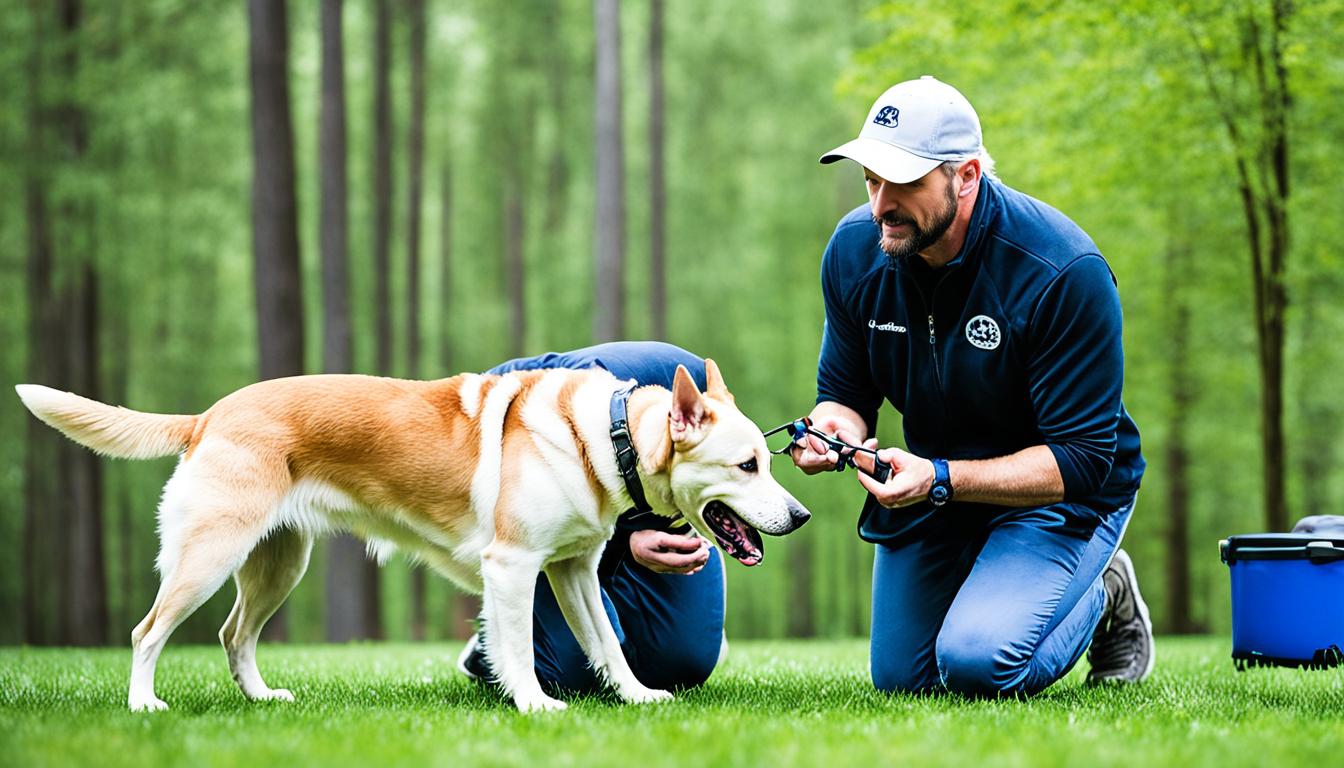
Ever wonder why your furry friend acts the way they do? It’s all in their genes! Learning training methods that match your dog’s breed can change everything. It helps you understand each other better.
By using breed-specific training, you’re not just teaching commands. You’re helping them use their natural talents. This way, training is fun for both of you. Are you ready to learn how to use your dog’s heritage for better training?
Quick Recommendation: Our blog is filled with tips and tricks for training your puppy or dog. If you are seeking a comprehensive training program, we recommend K9 Training Institute.
Understanding Your Dog’s Breed History
Dogs have a long history that started with their wolf ancestors. Over time, they evolved into different breeds, each with its own traits and roles. Learning about your dog’s breed history helps you understand their behavior and what they need.
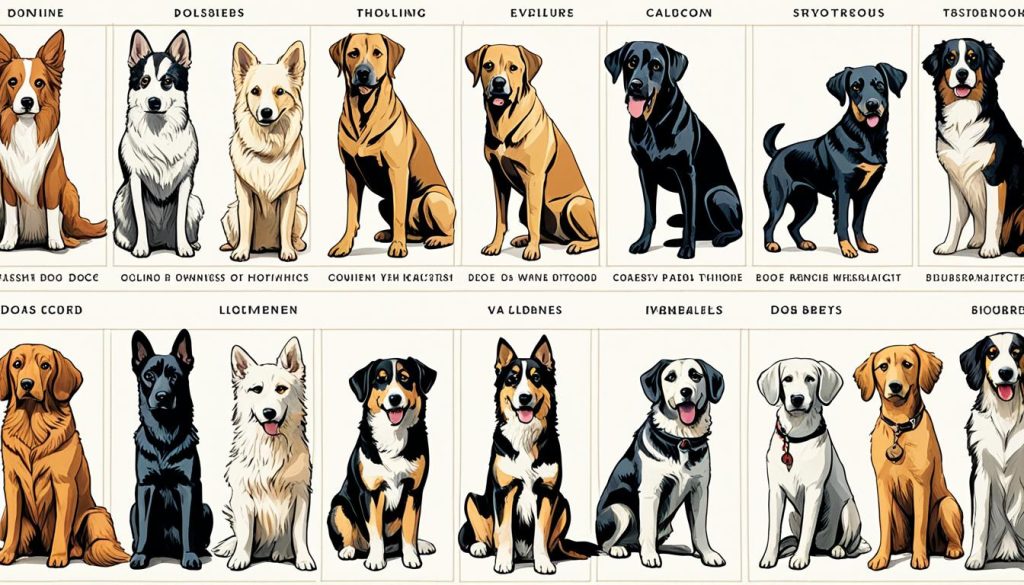
The history of a breed shapes your dog’s instincts. For instance, Border Collies were made to herd animals. This explains why they might chase and nip at things that move. Knowing this helps you train them better.
Each breed was made for a specific job. Hunting dogs have a strong sense of smell and lots of energy. Guard dogs are naturally protective. Lap dogs love being around people and need lots of attention. Knowing what your dog was bred for helps you train and care for them better.
Looking into your dog’s breed history helps you understand their unique needs and behaviors. This knowledge lets you create a training plan that respects their heritage and meets today’s challenges. By embracing your dog’s history, you’ll strengthen your bond with them.
Recognizing Instinctive Behaviors in Your Dog

Your dog’s natural behaviors are shaped by their genes and breed history. These instincts are key to understanding how they act. By recognizing these behaviors, you can train your dog better.
Each breed has its own set of instincts. For example, herding dogs might try to herd kids or other pets. Retrievers often want to carry things in their mouths. Terriers might dig in the yard, as they’re following their instinct to hunt small animals.
Keep an eye on your dog to notice these behaviors. If your pup circles before lying down, it’s an instinct from their wild ancestors. If your dog barks at strange sounds, it’s their way of alerting their pack.
Knowing about these instincts lets you work with your dog, not against them. Instead of stopping these behaviors, find ways to channel them positively. This makes training easier and keeps your dog content.
Tailoring Training to Breed-Specific Needs

Your dog’s breed greatly affects its behavior and how it learns. Tailored obedience training considers these unique traits. This makes learning more effective and fun for your pet. By knowing your dog’s breed-specific needs, you can make a training plan that fits their nature and skills.
Herding breeds like Border Collies love mental and physical challenges. Their training might include agility exercises or puzzle toys. On the other hand, sporting dogs such as Labrador Retrievers are great at fetch games. These can be part of their obedience training.
Toy breeds, with their big personalities despite their small size, do well with positive reinforcement. Their training might focus on social skills and basic commands. They like treats and praise as rewards. Tailoring your training to your dog’s breed makes obedience training rewarding for both of you.
Quick Recommendation: Our blog is filled with tips and tricks for training your puppy or dog. If you are seeking a comprehensive training program, we recommend K9 Training Institute.
Motivation Techniques for Different Breeds
Knowing what motivates your dog is crucial for training success. Different breeds respond to different techniques. For herding dogs like Border Collies, using their natural instincts as rewards works well. Let them herd a ball or toy after they complete a task.
Retrievers love playing fetch, making it a great tool during training. This game keeps them engaged and motivated.
Positive reinforcement is a great technique that works for all breeds. Praising your dog with an excited voice and giving them treats for good behavior makes them want to do it again. For food-motivated breeds like Labrador Retrievers, small, healthy treats are perfect.
Toy-driven dogs such as Jack Russell Terriers might like a quick play session with their favorite toy as a reward.
Some breeds, like German Shepherds, love to please their owners. For these dogs, your approval and attention are strong motivators. Use enthusiastic praise and gentle petting to show you appreciate their hard work.
The key to successful motivation is being consistent and patient. Try different rewards to see what works best with your dog’s personality and breed traits.
Harnessing Heritage: Training Methods That Honor Your Dog’s Breed
Training methods that honor your dog’s breed use their natural instincts and abilities. For herding breeds like Border Collies, try exercises that mimic herding. Set up obstacle courses with small balls or toys for your dog to follow.
This kind of training taps into their drive to control movement. It’s a fun way to use their natural skills.
Hunting breeds love scent work. Hide treats or toys around your yard or home for them to find. This activity uses their tracking instincts and keeps their minds sharp.
For retrievers, mix fetch games with obedience commands. This challenges their physical and mental abilities. It’s a great way to keep them engaged and active.
Guard dogs do well with training that uses their protective nature. Teach them to alert you to certain sounds or to greet strangers calmly. This positive training helps use their instincts for good.
Remember, breed-specific training doesn’t replace basic obedience. It adds to your dog’s training by honoring their unique heritage and abilities.
Positive Reinforcement Strategies for Breed-Specific Training
Positive reinforcement is a key method in training dogs. It rewards good behavior, making your dog want to do it again. This approach is great for all dogs, but it’s even better when you match it to your dog’s needs.
For high-energy breeds like Border Collies, active rewards work best. A fun game of fetch or a quick agility run can motivate them more than treats. Hounds love sniffing games as rewards. Terriers enjoy puzzle toys that challenge their minds.
Using breed-specific exercises with positive reinforcement gets great results. For retrievers, add fetch to your training. Let herding breeds ’round up’ their toys after a command. These strategies use your dog’s natural instincts, making training fun and effective.
Being consistent is crucial in positive reinforcement. Reward your dog right after they do what you want. With patience and the right strategies, your dog will excel in training.
Important Tip: Training your dog is just the beginning. Keep them safe an healthy with Pin Paws Pet Care. Our blog provides the training advice, and Pin Paws offers the protection your pet deserves.
Specialized Training Exercises for Your Dog’s Breed
Different dog breeds have unique training needs. Breed-specific exercises help your dog thrive and stay happy. For hounds, scent work is perfect. Hide treats in your yard for your dog to find using its nose.
This exercise uses their natural tracking skills and keeps their minds sharp.
Herding breeds do great in agility training. Set up a course with tunnels, jumps, and weave poles in your backyard. It challenges their athleticism and problem-solving abilities.
Working breeds like German Shepherds do well with obedience drills and physical tasks. Try teaching them to carry a backpack or retrieve items from another room.
For toy breeds, puzzle toys and indoor agility courses are ideal. These activities keep their minds and bodies active without overdoing it. Always start with basic obedience training. Tailor your approach to your dog’s unique traits for the best results.
The Role of Genetics in Your Dog’s Training Journey
Your dog’s genes greatly affect its behavior and how well it can be trained. Dogs have evolved into different breeds, each with its own traits and instincts. Knowing how your dog’s genes influence its behavior can help you train it better.
Dogs get their behaviors from their ancestors. For instance, herding breeds often want to chase things that move. Hunting dogs might follow smells more easily. These traits can change how fast your dog learns or responds to training.
Knowing your dog’s breed can help set realistic training goals. Some breeds are naturally good at following commands, while others might need more time. This info lets you pick the best training methods for your dog, making training easier and fun for both of you.
But remember, genes aren’t the only thing that matters. Things like where your dog grows up and its experiences also shape its behavior. By understanding dog evolution and tailoring your training, you can help your dog be its best.
Conclusion
Training methods that respect your dog’s breed can change everything for your pup. It helps them grow and be happier. By using their natural instincts, you’re teaching them in a way they understand.
Tailored obedience means more than making your dog follow commands. It’s about using their special traits to work together better. Whether your dog loves to chase or has a great sense of smell, using these traits makes training easier.
Keep your dog’s heritage in mind as you train. This approach will make them behave better and bring you closer. By meeting their breed-specific needs, you’re building a strong bond. This leads to a life full of trust, understanding, and happiness.
Quick Recommendation: Our blog is filled with tips and tricks for training your puppy or dog. If you are seeking a comprehensive training program, we recommend K9 Training Institute.
BTW: If you are interested in everything from nutritional advice and natural health solutions to stress-relief techniques and overall wellness tips, check out our friends at PawfectlyHealthyPets.com.