

Welcome to the world of dog training! Whether you’re a new pet parent or want to teach your dog new tricks, there are many methods to try. This guide will show you different ways to make your dog a better companion.
Dog training has changed a lot over time. You’ll learn how positive reinforcement and clicker training can make learning fun for your dog. We’ll cover obedience training, puppy basics, and even advanced skills like agility training.
Are you ready to get closer to your dog? Let’s start exploring the exciting world of dog training methods together!
Quick Recommendation: Our blog is filled with tips and tricks for training your puppy or dog. If you are seeking a comprehensive training program, we recommend K9 Training Institute.
Understanding the Importance of Dog Training
Dog training is key to a happy life with your pet. It helps you and your dog connect better and makes them a great family member. It’s not just about learning commands; it’s about understanding each other.
Training your dog is more than teaching tricks. It makes your home safer and lowers stress for everyone. It helps your dog know what’s expected, leading to fewer problems.
Knowing how dogs think is crucial for training. Dogs love routine and being consistent. Using this knowledge, you can train your dog in a way that fits their personality. This makes training easier and more fun for both of you.
Training is a journey that never stops. As you try different methods, you’ll find what’s best for your dog. The skills you learn will make your bond stronger and your dog more confident.
The Evolution of Dog Training Techniques
Dog training has changed a lot since the old days of obedience schools. Back then, trainers used harsh punishments to fix bad behaviors. They thought dogs needed to be dominated to learn.
As we learned more about dogs, our training changed. Professional trainers started to see that dogs learn better with positive experiences. This led to reward-based training, which rewards good behaviors instead of punishing the bad ones.
Now, science-based training is the top choice. It uses research on animal behavior and psychology for effective, kind training. Modern trainers use methods like clicker training and positive reinforcement to teach dogs new things and solve behavior problems.
The way we train dogs has gotten better and made the bond between dogs and their owners stronger. By knowing how dogs think and learn, we can make training fun for both the dog and the handler.
Positive Reinforcement: A Modern Approach to Training
Positive reinforcement has changed dog training for the better. It rewards good behavior instead of punishing bad ones. This method makes learning fun for your dog.
Timing is everything in positive reinforcement. Reward your dog right after they do what you want. This links the action to the reward clearly. Use treats, praise, and toys to reward them.
Positive reinforcement builds trust with your dog. It teaches your dog to learn without fear. This makes your bond stronger and your dog more confident and well-behaved.
To start with positive reinforcement, pick a quiet spot without distractions. Use simple commands like “sit” or “stay.” Reward them immediately after they do it right. Be patient and keep it consistent. Soon, you’ll see great changes in your dog’s behavior and your relationship.
Clicker Training: Precision in Communication

Clicker training is a top choice for its accuracy and success. It uses a small device that makes a clicking sound to mark good behaviors. This creates a clear way to talk to your dog.
To begin, you’ll need a clicker and some treats. First, teach your dog that the click means a reward is coming. Once they get it, you can use it to teach new behaviors. For instance, click when they sit.
Clicker training is great because it’s so precise. It lets you exactly what you want, making it easier for your dog to learn. This makes training faster and more fun for both of you.
But remember, clicker training is just one way to train your dog. It suits many dogs, but each dog is different. Mixing it with other methods might work best for your dog.
Obedience Training: Establishing Basic Commands
Obedience training is crucial for a well-behaved dog. Start with basic commands that every dog should know. These skills make life easier and keep your dog safe.
Let’s look at some important commands you can teach your dog. The ‘sit’ command is a good first step. Hold a treat near your dog’s nose, then move it up and back. As they follow the treat, they’ll sit down. Give them the treat and praise them when they’re in the sit position.
The ‘stay’ command is next after ‘sit’. Have your dog sit, then use your open palm to say “stay.” Move back a bit, and if they stay put, reward them. Increase the distance and time as they get better.
For the ‘come’ command, use a quiet area. Call your dog by their name and say “come” in a happy voice. When they come to you, praise them a lot and give a treat.
Consistency is vital in training dogs. Use short, regular training sessions. Always end on a high note to keep your dog eager to learn. With patience and practice, your dog will show great obedience.
Quick Recommendation: Our blog is filled with tips and tricks for training your puppy or dog. If you are seeking a comprehensive training program, we recommend K9 Training Institute.
Puppy Training: Starting Off on the Right Paw
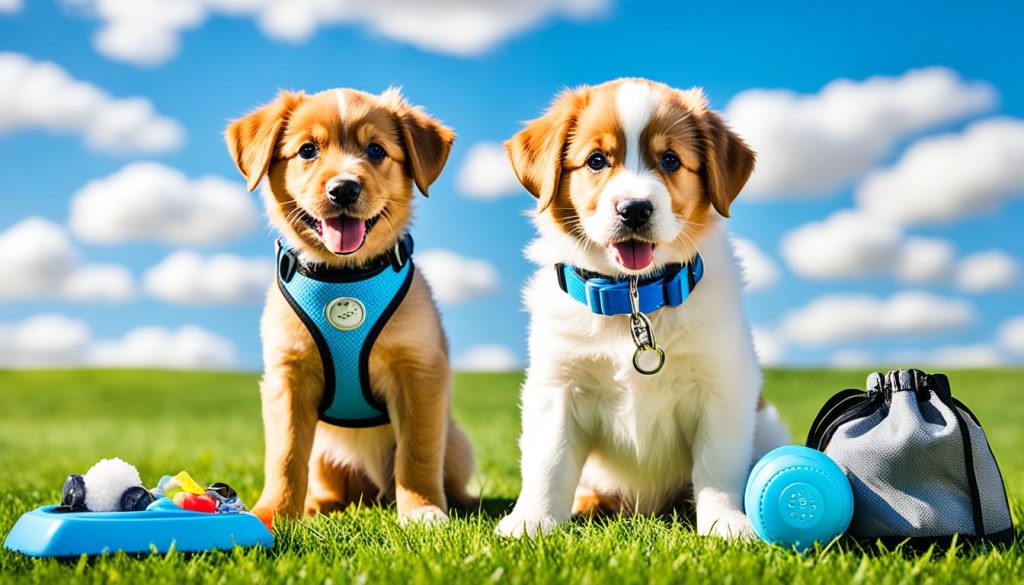
Starting puppy training early helps build a well-behaved adult dog. It’s all about making learning positive. Begin with socializing your pup to people, animals, and different places. This helps avoid fear and aggression later.
Housebreaking is key in puppy training. Create a regular schedule for potty breaks and praise your pup when they go in the right spot. Remember, accidents happen while they learn. Crate training can help with housebreaking and gives your puppy a safe space.
Stopping bad behaviors early is easier than fixing them later. Teach your puppy not to bite or chew on the wrong things by giving them toys instead. Positive reinforcement is great for teaching good habits. Reward-based training is effective in shaping your puppy’s behavior.
Teach basic commands like “sit,” “stay,” and “come” early. Keep training fun and short to keep your puppy interested. Consistency is crucial in puppy training. With patience and the right approach, you’ll help your puppy develop good habits for life.
Agility Training: Combining Physical and Mental Stimulation
Agility training is a fun way to keep your dog fit and sharp. It combines physical exercise with mental challenges. Your dog will learn to overcome obstacles, boosting their fitness and listening skills. This method strengthens your bond and keeps your pet happy and active.
Starting agility training is simple. Begin with basic obstacles like tunnels, weave poles, and small jumps. As your dog gets better, add more challenging obstacles. Keep training sessions short and make them fun. Use treats and praise to motivate your dog.
Agility training does more than just improve fitness. It helps your dog solve problems, builds confidence, and sharpens focus. It’s perfect for dogs with lots of energy. With regular practice, you’ll see better behavior and a stronger connection with your dog.
Behavior Modification: Addressing Specific Issues
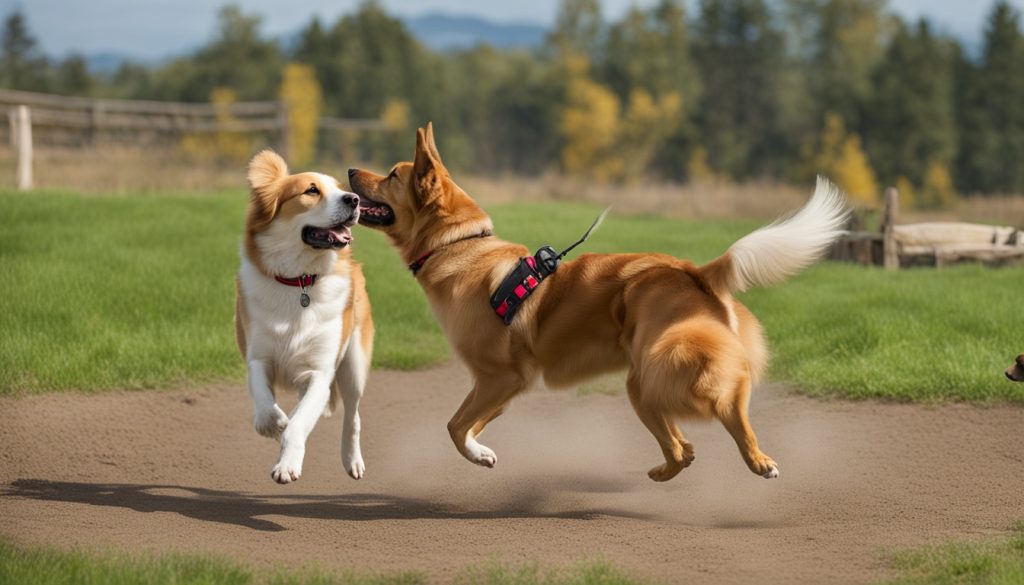
Dogs sometimes act out in ways we don’t like. Behavior modification is a key part of training to fix issues like too much barking, pulling on the leash, and separation anxiety. These problems can be tough, but there are ways to handle them.
Too much barking often comes from being bored or anxious. To stop this, give your dog more exercise and mental challenges. Use puzzle toys or train them to keep their mind busy. When they stop barking, give them treats or praise to encourage good behavior.
Leash pulling is a common problem. Begin by teaching your dog to walk by your side in your yard without distractions. Use treats to reward them for staying close. Then, slowly add more challenging places to walk.
If they pull, stop moving and only go forward when the leash is loose. This helps them learn to walk nicely on a leash.
Separation anxiety can be hard to manage. Start by leaving your dog alone for short times and slowly increase the time. Give them toys to keep them busy and make the space calm. If it’s still a problem, try using calming aids like pheromone diffusers or anxiety wraps.
Remember, being consistent is important in changing your dog’s behavior. Stick with your chosen training methods and be patient. With time and effort, you’ll see your dog’s behavior improve.
Important Tip: Training your dog is just the beginning. Keep them safe an healthy with Pin Paws Pet Care. Our blog provides the training advice, and Pin Paws offers the protection your pet deserves.
The Role of Professional Dog Trainers
Dog training can be tough, especially with complex behaviors. That’s where professional dog trainers step in. They have lots of knowledge and experience to help you and your dog do well. These experts use proven methods to tackle issues that might be too much for owners.
Know when to get professional help? If your dog acts aggressively, has severe anxiety, or ignores basic commands, it’s time for an expert. Professional trainers are great for puppy training too, making sure your new pet gets off to a good start. They create custom plans based on your dog’s needs and personality.
Finding the right trainer is key. Check for certifications from trusted groups and learn about their approach. A good trainer will focus on positive reinforcement and teach you how to train at home. This way, you’ll keep seeing progress. With professional dog trainers, you’ll learn new skills and feel more confident with your dog.
Integrating Training into Daily Life
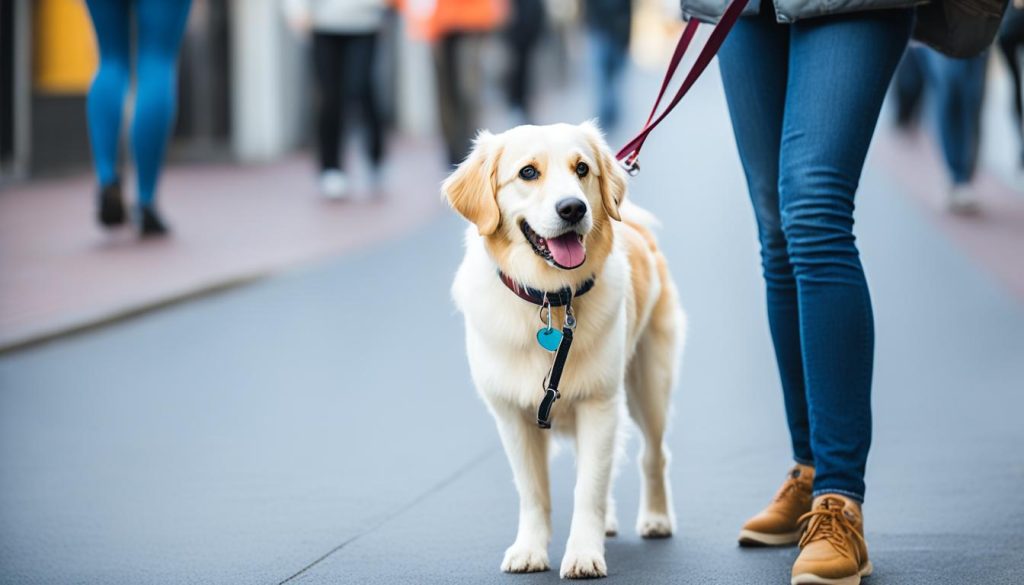
Effective dog training is more than just formal sessions. By adding training to your daily routine, you make a consistent learning space for your dog. This fits well with canine psychology, as dogs love routine and repetition.
Begin by making mealtime a training moment. Ask your dog to sit or stay before you give them their food. This helps them learn basic commands and be patient. On walks, practice walking on a loose leash and give your dog a treat for checking in with you. These small actions help with better behavior and a stronger bond.
Playtime is also a great time to reinforce good habits. Use toys as rewards for following commands, making learning fun. Praise your dog for calm behavior at home, like staying on their bed or not begging at the table. This encourages good behavior all day.
By adding training to your daily life, you’re not just teaching commands. You’re shaping your dog’s behavior overall. This ongoing process helps your dog understand what’s expected and strengthens your bond. With patience and consistency, you’ll see positive changes in your dog’s behavior over time.
Conclusion
Exploring different dog training methods is crucial for you and your pet. We’ve looked at many techniques, like positive reinforcement and clicker training. Each method helps you bond better with your dog.
Remember, training takes patience and consistency. Try various methods to see what works best for your dog. Some dogs do great with agility training, while others like basic obedience commands more. The aim is to make a happy, obedient dog that loves learning.
Using these training methods daily will improve your pet’s behavior. Whether your dog is a puppy or an adult, the right training makes a big difference. So, get some treats, set aside time, and begin your training journey. Your dog will thank you with happy tails and loyalty!
Quick Recommendation: Our blog is filled with tips and tricks for training your puppy or dog. If you are seeking a comprehensive training program, we recommend K9 Training Institute.
BTW: If you are interested in everything from nutritional advice and natural health solutions to stress-relief techniques and overall wellness tips, check out our friends at PawfectlyHealthyPets.com.