
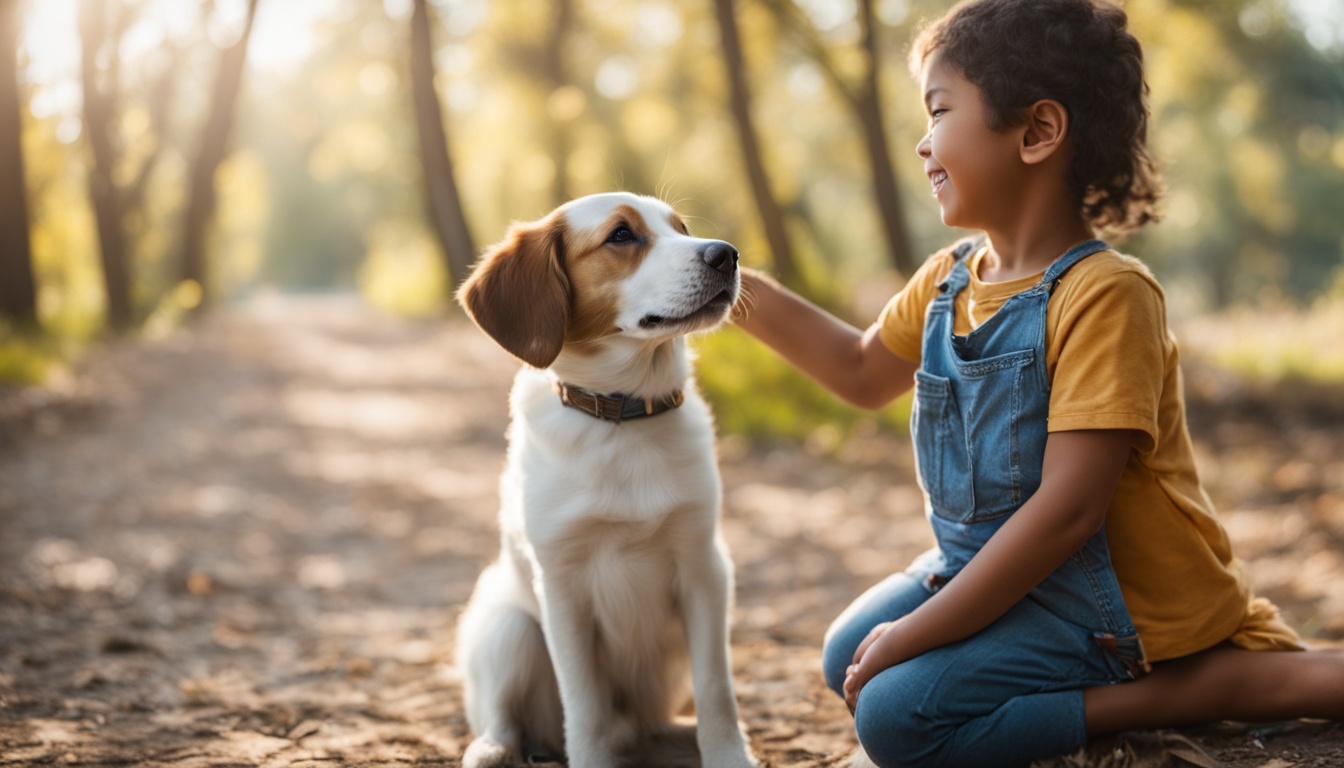
Have you ever seen your friendly dog suddenly bite someone? It’s important to deal with this early to prevent dog bites and keep everyone safe.
Dog bites can cause serious harm and lead to legal problems. That’s why it’s crucial for pet owners to learn how to manage dog biting. This guide will share important tips on dog behavior and ways to stop biting early on.
Quick Recommendation: Our blog is filled with tips and tricks for training your puppy or dog. If you are seeking a comprehensive training program, we recommend K9 Training Institute.
Understanding Canine Aggression
Understanding dogs’ complex behavior is key. It’s important to know the signs of canine aggression. Dogs can show aggression in many ways, each with its own reasons and triggers. Knowing the types of aggression helps you manage your dog’s behavior better.
Territorial aggression happens when a dog wants to protect its home or family. It’s often triggered by strangers or other animals coming into their space. Possessive aggression is about guarding things like food, toys, or a favorite spot.
Fear-induced aggression comes from a dog feeling anxious or trapped, leading to a defensive act. Knowing what triggers this can help you manage it better. Play aggression might seem harmless but can become a problem if it gets out of hand.
To understand dog aggression, look at behavior, breed traits, health, and past experiences. Studies show aggression can be learned or triggered by certain situations. All these factors help explain why your dog might act aggressively.
The Importance of Early Intervention
Early training for puppies is key to stopping aggression later on. It helps set a good foundation for their behavior as they grow. You might ask, why focus on early training? It’s because of their critical periods for learning and socializing.
The first few months of a puppy’s life are very important. Their early experiences shape their future behavior. By slowly introducing them to new people, animals, and places, you help them stay calm in different situations.
Early training is more than just teaching basic commands. It’s about giving them new experiences and making sure they react well. Catching and fixing any aggressive behavior early lowers the risk of problems later.
Positive reinforcement is a big part of early training. Giving rewards for good behavior makes them want to do it again. This method helps prevent aggression and builds a strong, respectful bond with your dog.

Effective Dog Training Techniques for Biting
Training your dog to stop biting starts with setting clear rules. Redirecting your dog’s attention to a better behavior is a good method. Offer a safe toy when your dog wants to bite. This helps your dog learn that biting is not okay.
Using commands is also key. Teach your dog “sit,” “stay,” and “leave it” to stop biting. When they listen, give them treats or praise. This makes them want to behave well without being mean.
Experts suggest using the “leave-it” command with treats. This stops biting and builds trust with your dog. Be patient and keep training short and fun. This will help your dog behave better over time.
Nip It in the Bud: Preventing and Managing Dog Biting
Being a responsible dog owner is key to stopping dog bites. It’s vital to give your dog a regular routine and consistent training. Acting fast when things go wrong can stop bad behaviors before they get worse. Watching your dog closely helps you manage their actions well.
Changing your dog’s behavior is a big part of the solution. With patience and consistency, you can help your dog grow in a positive way.
Stopping bites before they happen is also crucial. Teach your dog to be gentle with people and other animals. Watching them during play can also lower the chance of bites.
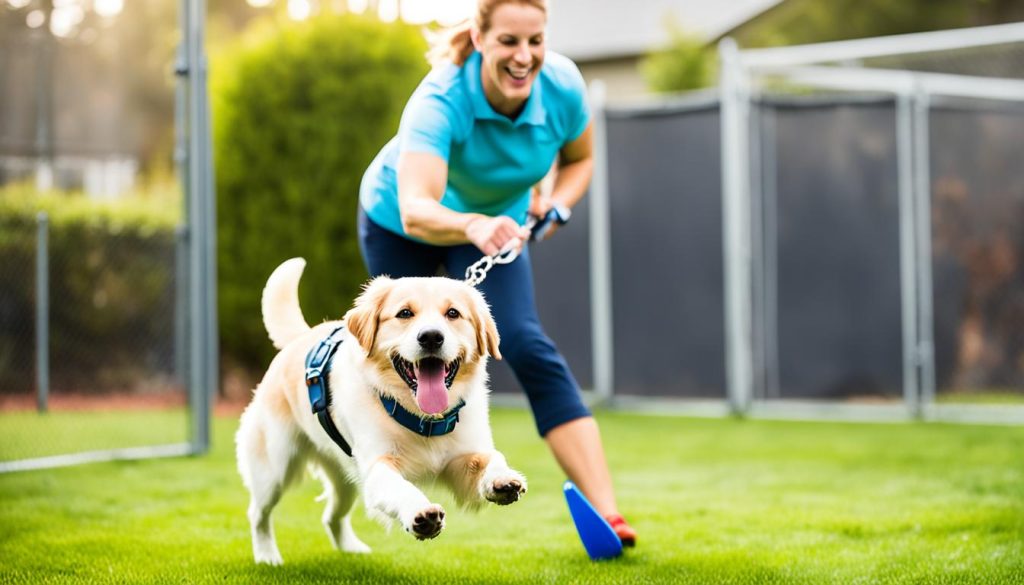
Looking at real-life examples shows how these methods work. Many dog owners have seen good results by using these strategies every day. Their stories prove that these methods can really help.
Using these ideas with your dog makes everyone safer. Remember, being a responsible owner, changing your dog’s behavior, and preventing bites are key to having a well-behaved pet.
The Role of Positive Reinforcement Training for Dogs
Positive reinforcement is a great way to stop unwanted behaviors like biting in dogs. By using praise, treats, and play, you encourage your dog to be good and stop bad habits. This approach is kind and helps build a strong bond with your dog.
Building trust with your dog is key in positive reinforcement. When your dog sees good things happen when they listen, they’re more likely to obey. This trust makes your dog feel safe and less likely to bite or act aggressively.
Using positive reinforcement is simple but takes time and consistency. Always reward your dog when they do something right or don’t bite. Soon, they’ll learn that listening to you means fun, making them more likely to behave well.
Quick Recommendation: Our blog is filled with tips and tricks for training your puppy or dog. If you are seeking a comprehensive training program, we recommend K9 Training Institute.
Dealing with Dog Aggression Safely
Handling dog aggression safely means being proactive for your safety and your dog’s. Start by understanding and spotting aggressive behavior signs. Dogs show aggression through growling, snapping, or stiffness. Watching and understanding these signs can help prevent aggression.
When dealing with an aggressive dog, stay calm and assertive. Avoid sudden moves or loud sounds, as they can make the dog more anxious and aggressive. Use the right tools like a strong leash and a muzzle to keep everyone safe.
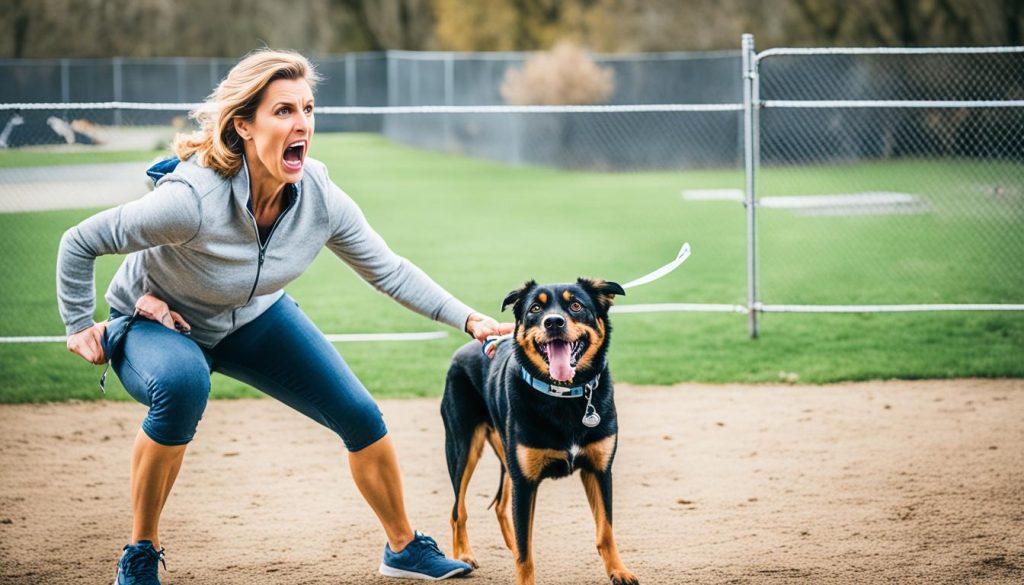
It’s not just about controlling the dog physically. It’s also about making a positive space and reducing stress that leads to aggression. Make sure your dog has a regular routine and enough exercise and play. If aggression doesn’t go away, get help from a certified dog trainer or behaviorist.
Dealing with dog aggression is a continuous process. By staying informed and alert, you can improve your relationship with your dog. This ensures a peaceful life for everyone.
How to Stop Dog Aggression
Dealing with an aggressive dog can be tough, but it’s possible to stop the aggression with the right steps. Long-term strategies and behavior therapy for dogs are key to managing aggressive behavior. These methods help make your home safer and more peaceful for you and your pet.
Long-term strategies are key to tackling dog aggression. Training consistently, using positive reinforcement, and socializing your dog properly are crucial. Regular training helps your dog learn better behaviors and lowers aggression.
Behavior therapy for dogs involves working with experts who understand your dog’s needs and issues. They create plans tailored to your dog’s aggression. Techniques like desensitization and counter-conditioning help your dog react calmly in stressful situations.
Knowing when to get professional help is important. If your dog’s aggression is serious or you’re not seeing progress, a pro can help. They provide the tools and support you need to manage your dog’s behavior over time.
Stopping dog aggression takes time, patience, and effort. With long-term strategies and behavior therapy, you can improve your relationship with your dog. This leads to a healthier and happier life for both of you.
Preventing Dog Bites in Multi-Pet Households
Living with many pets can be challenging, especially when they don’t get along. To prevent dog bites, it’s important to understand how different pets interact. Dogs may fight over resources or territory. With careful planning and training, you can help them live together peacefully.
Resource guarding is a big problem in homes with many pets. Dogs might protect their food, toys, or even people. Give each pet its own spot and things to keep fights over food or toys down. Watch over meal and play times to make sure everyone gets along.

Territorial behavior also leads to fights between pets. Set clear rules and routines for your pets to know their place. Reward them for acting well to help keep the peace.
Watching how your pets act with each other is key. Look out for signs like growling or stiff bodies. Step in early to stop fights before they start. Training them to be social and obedient helps them live together better.
By taking steps early, you can make your home safer and calmer for all pets. This lowers the chance of dog bites and helps pets respect each other.
Understanding Bite Inhibition Training
Bite inhibition training is key for puppies to control their bite force. It’s best to start training early to help them have a soft mouth. Puppies learn about the world by biting and exploring, so teaching them to bite softly is important.
Playing with your dog in a controlled way is a great way to practice bite inhibition. Games like tug-of-war or fetch can help show your puppy what a gentle bite feels like. Always praise your pup when they bite softly during play.
Letting your puppy play with adult dogs that are well-behaved can also help. These adult dogs teach your puppy what biting is okay and what’s not. This kind of learning is very helpful in teaching your puppy to control their biting.
Give your puppy chew toys often to help with bite inhibition training. These toys let them chew safely and learn what’s okay to bite. By using these methods, teaching your puppy to have a soft mouth becomes easier. This way, your pup will grow up to be well-behaved.
Important Tip: Training your dog is just the beginning. Keep them safe an healthy with Pin Paws Pet Care. Our blog provides the training advice, and Pin Paws offers the protection your pet deserves.
Managing Aggressive Dog Behavior in Public Spaces
Dealing with dog aggression in public is key for everyone’s safety. A top way to tackle this is through socializing your dog. By socializing aggressive dogs, they learn to be calm and less reactive in public.
Using a muzzle can help keep everyone safe. Muzzles stop bites and let your dog get used to new places and things. Pick a muzzle that lets your dog breathe and drink easily.
It’s important to know and follow local leash laws. These laws protect your dog and prevent sudden, aggressive meetings with other dogs. Using a strong leash and harness helps you control your dog and keeps them safe.
Handling dog aggression in public takes time, patience, and the right tools like muzzles. With ongoing training, you can lessen aggressive behavior and make public places safer. Regularly socializing your dog and knowing the leash laws help everyone stay safe.
Conclusion
Understanding why dogs bite and acting early can change everything. It’s key to use positive training and exercises to help your dog behave well. This makes them a better friend.
Positive reinforcement is very important. It makes your dog want to behave well without making them scared. Managing dog aggression takes time and patience, especially in places like parks or with other pets. Bite inhibition training is crucial. It helps your dog bite gently, which keeps everyone safe.
Managing aggressive behavior is about building good habits over time. It’s not just for now, but for the future too. Keep learning and trying new things to help your dog.
For more help, look into local dog training classes, online forums, and workshops. These places offer great advice and tips from experts and other dog owners. Staying informed and active helps keep your dog and others safe.
Quick Recommendation: Our blog is filled with tips and tricks for training your puppy or dog. If you are seeking a comprehensive training program, we recommend K9 Training Institute.
BTW: If you are interested in everything from nutritional advice and natural health solutions to stress-relief techniques and overall wellness tips, check out our friends at PawfectlyHealthyPets.com.