
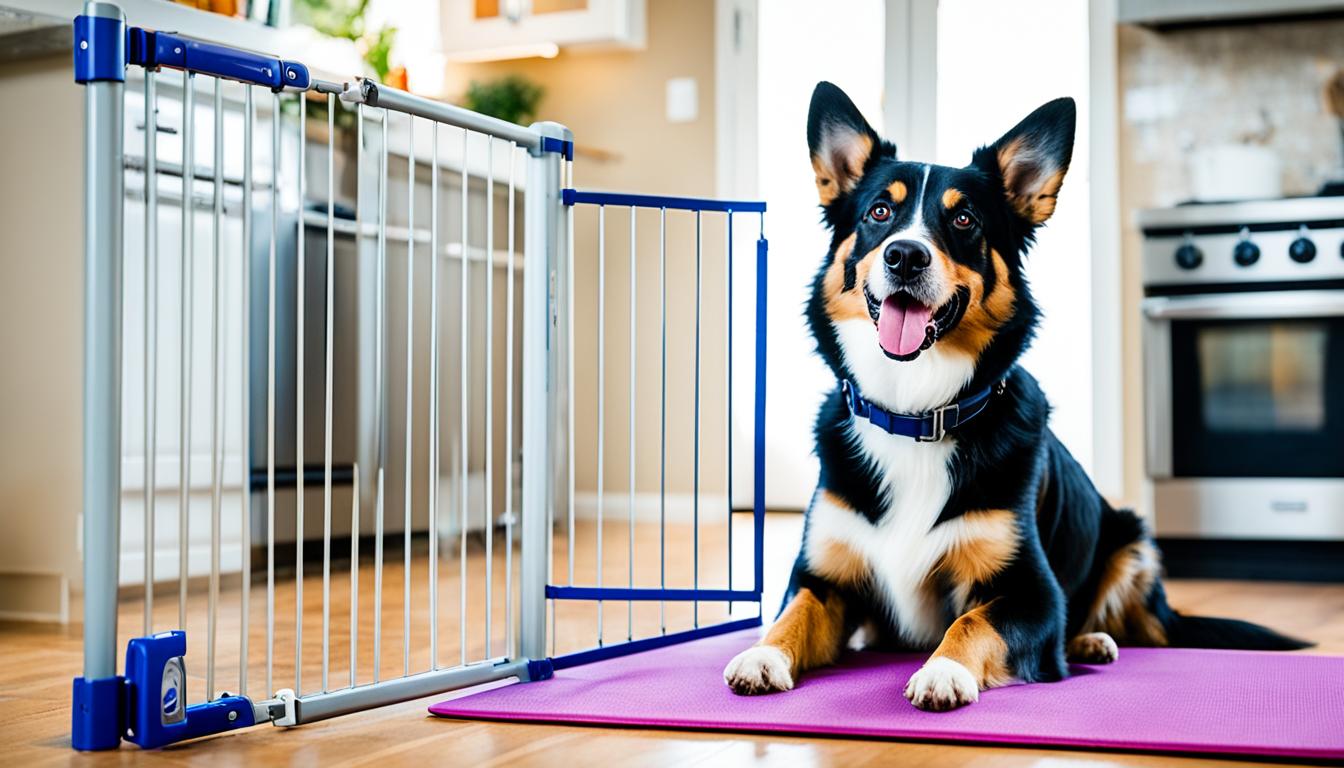
Ever thought your dog might be putting your family in danger? The “Safety Sit” could be the solution. It’s a key part of dog training that makes your home safer for pets. Think about a place where accidents happen less often, and everyone, including your dog, feels safe and calm.
Training your dog for safety means lowering risks and making your home a peaceful place for all. It’s about creating a safe space for everyone.
Join us as we explore the basics of keeping pets safe and see how the “Safety Sit” can change your home for the better.
Quick Recommendation: Our blog is filled with tips and tricks for training your puppy or dog. If you are seeking a comprehensive training program, we recommend K9 Training Institute.
Understanding the Importance of Dog Safety Training
Dog safety training is key for many reasons. It boosts pet safety by stopping accidents at home or in public. Trained dogs listen better to commands, lowering the chance of them running into traffic or meeting aggressive animals.
Training also betters the communication between you and your dog. A trained dog gets your signals and knows what you want. This makes living together smoother. It helps both the dog and you enjoy being a responsible pet owner.
Experts say a trained dog is good for everyone. It cuts down on risks with other pets or people. This makes neighborhoods safer and more fun for everyone.
Investing in dog safety training shows you care about responsible pet ownership. It means you think about your dog’s safety and the safety of others. This effort brings peace of mind, knowing your pet is well-behaved and a valued community member.
Essential Dog Behavior Training Techniques
Effective dog behavior training is key for a well-behaved pet. Start with basic commands like ‘sit,’ ‘stay,’ ‘come,’ and ‘leave it.’ These commands are the building blocks of good behavior and keep your dog safe.
For example, ‘sit’ stops your dog from jumping on guests. ‘Stay’ keeps them from running into traffic. These commands are vital.
Use cues to tell your dog what you want. Consistent cues make training easier for your dog. The ‘leave it’ command is great for keeping your dog away from dangerous things or food.
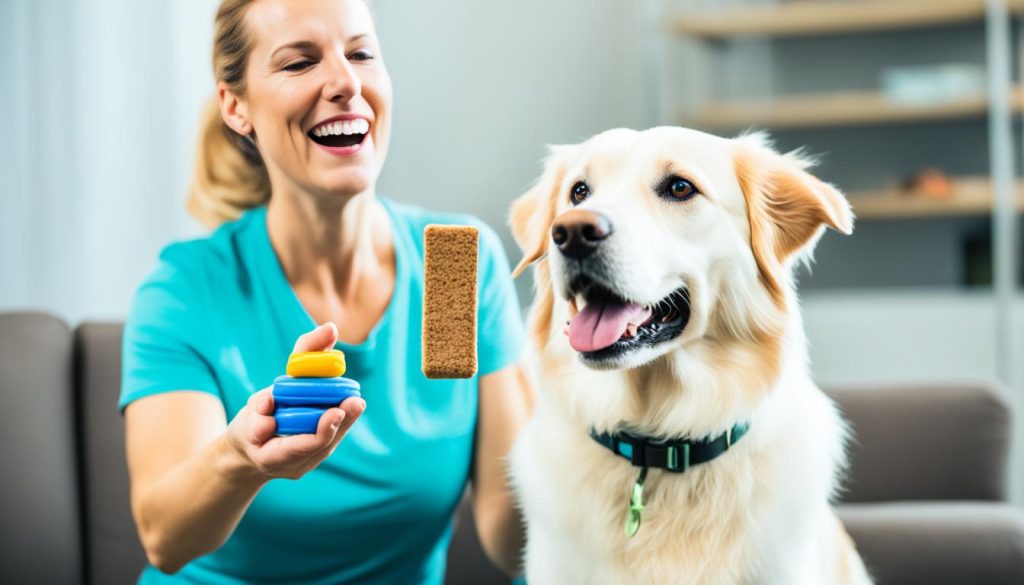
Practice these commands in real-life situations to make them stick. For example, try ‘come’ in a busy park to test their focus. Remember, patience and consistency are crucial in training. Mastering these commands boosts your dog’s obedience and safety.
Steps to Achieve the “Safety Sit”
Teaching your dog the Safety Sit is key for a safer home. This step-by-step guide helps your pet learn the command well.
Begin in a quiet area with no distractions. Hold a treat for your dog to sniff. Slowly move the treat up, and their bottom will naturally go down.
When their bottom touches the ground, say “sit” and give them the treat and praise. Do this many times in short sessions. Being consistent helps make this behavior strong.
After your dog gets the command, add distractions. Practice the Safety Sit in various places, including outside. This helps your dog follow the command even in tricky situations.
Patience and positive rewards are important when teaching the Safety Sit. With regular practice and encouragement, your dog will learn to sit on command. This makes your home safer for them.
Positive Reinforcement Methods for Dog Training
Positive reinforcement is a great way to teach your dog good behavior. It means rewarding your dog for doing what you want. This makes your bond with your pet stronger.

Food treats are a top reward for dogs. Giving a small, tasty treat right after they do something good can really help them learn faster. It’s important to give the treat right away so your dog connects the action with the reward.
Toys and praise are also great rewards. A favorite toy can motivate your dog to behave well during play. Saying “Good boy!” or “Good girl!” can also make your dog happy and more likely to listen.
Positive reinforcement has big mental benefits. It builds trust and happiness, avoiding fear or intimidation. This makes your dog more confident and quick to respond.
So, when training your dog, use positive rewards to encourage good behavior. This approach is kind and beneficial for both you and your pet.
Creating a Safe Environment for Pets at Home
Keeping pets safe at home is key to their happiness and health. Start by checking each area of your home for hazards. Pet-proofing means more than just removing dangers. It’s about being thorough to keep dogs and other pets safe.
First, tie up loose wires and cords to stop pets from chewing them. Use cord protectors or hide them behind furniture. Remove small items that pets might swallow, as they can choke on them. Keep harmful things like cleaners, medicines, and some foods locked away.
Make a special play area for pets to stay safe. Choose toys that are tough, safe, and right for your pet’s size and chewing. Watch over playtime to make sure toys don’t become a risk.
Don’t overlook outdoor areas in your safety plan. Make sure your yard is fenced well and free of poisonous plants. Check your fence often for holes or damage that pets could use to escape. Also, avoid using harmful chemicals near your pet.
Last, give your dog a cozy place to rest with a soft bed and fresh water. This makes your home safer for dogs and gives them a special spot to relax.
Quick Recommendation: Our blog is filled with tips and tricks for training your puppy or dog. If you are seeking a comprehensive training program, we recommend K9 Training Institute.
The Role of Consistency in Dog Obedience Training
Being consistent in dog training is key for good obedience. It’s important to be firm and patient when giving commands. This helps your dog understand what you want.
It’s vital that all family members agree on training. Everyone should use the same commands and rewards. If not, it can confuse your dog and slow down their training.
Training your dog regularly is a must. It can be a few minutes a day or several short sessions. Being consistent means your dog knows what to do and how to act.
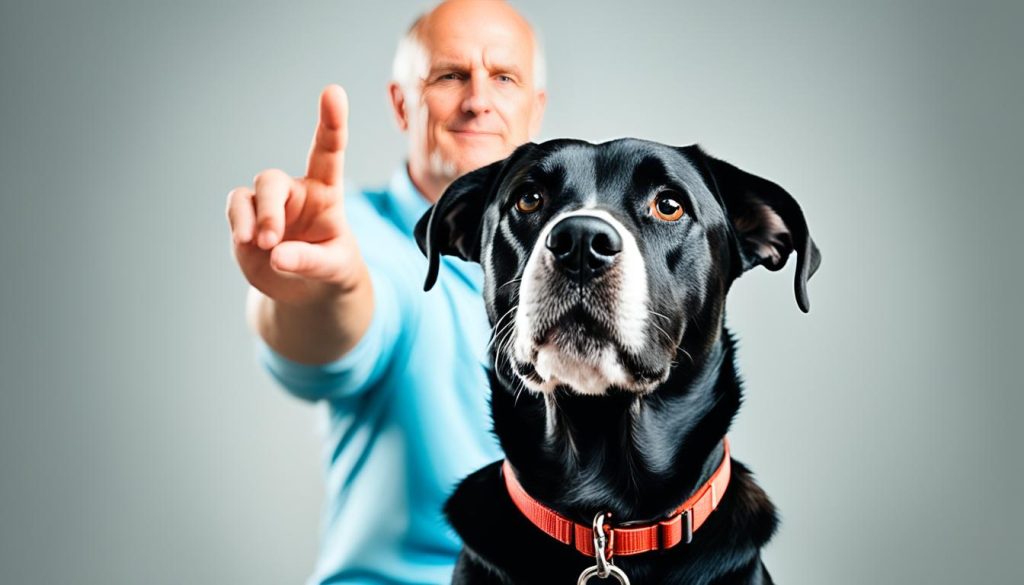
Don’t forget to praise and reward your dog for following commands. This encourages good behavior and strengthens your bond. A consistent approach to training sends clear messages to your dog. It helps their behavior and overall well-being.
Common Mistakes to Avoid in Dog Safety Training
Training your dog for safety is key, but beware of common traps. One big mistake is giving mixed signals. For example, if you let your dog on the couch one day and scold them the next, it confuses them.
Another mistake is using too much punishment. This can actually make your dog more anxious and less likely to listen. Instead, use positive reinforcement to correct bad habits.
It’s also easy to accidentally reward bad behavior. If your dog barks for attention and you always give it, they’ll keep doing it. Always be aware of this and correct it properly.
Check your training methods often to avoid these errors. Look for patterns and adjust as needed. Remember, being patient and consistent helps fix bad habits and ensures your dog is safe.
How to Use Treats Effectively in Training
Using treats in dog training can be very effective if done right. Treats are a great way to reward your pet for good behavior. Choose healthy treats like small pieces of cooked chicken, carrots, or special training treats.
It’s important to think about the size and how often you give treats. Use small treats to avoid overfeeding and keep your dog focused. Give treats right after your dog does what you asked, linking the action to the reward.
As your dog gets better at commands, start using fewer treats. Use praise, petting, or playtime as rewards too. This way, your dog will listen even without a treat every time. Using treats and smart rewards helps train a happy and obedient dog.
Integrating Dog Safety Training into Daily Life
It’s important to make training a part of your daily life. This helps your dog understand commands better and keeps them safe. By adding training to your daily routine, your pet will learn and use their skills more often.
Walking your dog is a great chance to teach them new things. Use times like when you reach an intersection or before crossing a street to practice commands like “sit” and “stay”. This keeps them safe and learns them important behaviors.
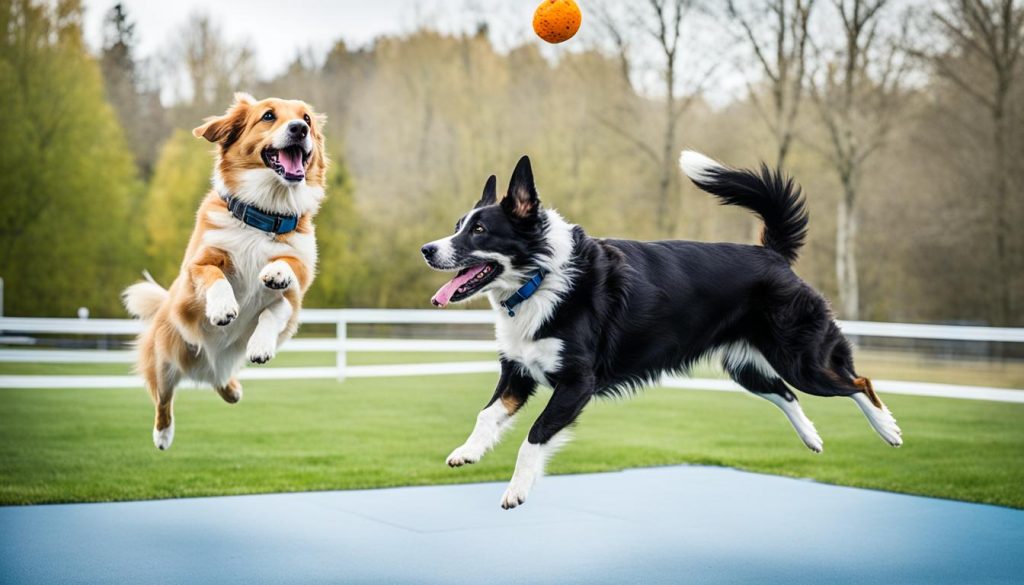
Playtime is also a good time for training. You can teach them “drop it” or “leave it” during games or when they pick up a toy. This way, they learn to listen even when there are distractions.
It’s important to be consistent with training. Everyone in the family should use the same commands and rewards. This makes training clear and effective for your dog.
As your dog gets older, change your training to fit their needs. Being flexible with routines and commands keeps them interested and ready to listen. This helps you keep your pet safe and well-behaved for a long time.
Advanced Canine Training Techniques for Safety
Advanced training can make your dog safer and more obedient. Commands like “Leave It” and “Watch Me” help them in unpredictable situations. These include meeting wildlife or crossing busy streets.
Trainers say it’s key to train your dog’s mind and body for better obedience. Activities like scent tracking, agility drills, and puzzles keep their minds sharp. These exercises also make training fun for your dog.
Using these advanced techniques in training prepares your dog for any setting. Remember, success comes from patience, consistency, and spending time with your dog. This keeps them eager and ready to listen.
Conclusion
We’ve looked at how to make your home safer for you and your dog. Techniques like the “Safety Sit” improve your dog’s obedience and help avoid dangers. Positive reinforcement and consistency are key to teaching your dog safety commands.
It’s important to keep up with your dog’s training. Celebrate their small wins and be patient. Adding these practices to your daily life makes training stick.
Being part of a community of pet owners is helpful. You can share tips and get support from others. Together, we can make sure all pets are safe and well-trained. Keep up the good work and enjoy watching your dog become a happy, safe companion.
Quick Recommendation: Our blog is filled with tips and tricks for training your puppy or dog. If you are seeking a comprehensive training program, we recommend K9 Training Institute.
BTW: If you are interested in everything from nutritional advice and natural health solutions to stress-relief techniques and overall wellness tips, check out our friends at PawfectlyHealthyPets.com.